
Latest
15 Years, ₦15,000 Salary: Plateau Teachers Expose Harsh Reality

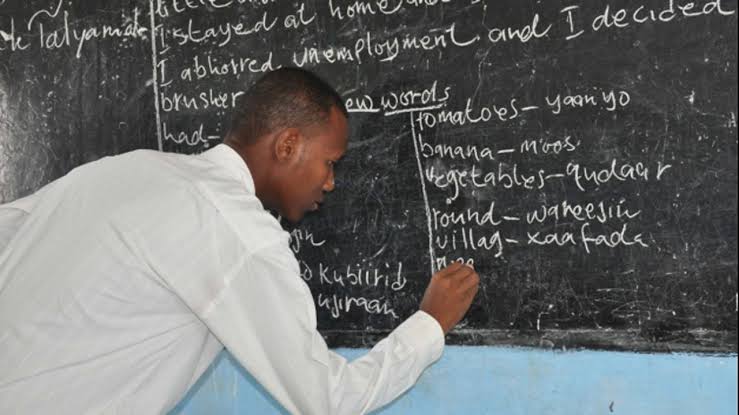
Teaching, long regarded as a noble profession and a cornerstone of societal development, has in recent years lost much of its appeal — particularly for private school educators grappling with poor pay and difficult working conditions.
In Jos, the capital of Plateau State, private school teachers appear to be among the hardest hit. Despite holding qualifications such as NCE, HND, BSc, and even Master’s degrees, many reportedly earn between ₦10,000 and ₦25,000 per month.
Investigations indicate that some teachers remain on the same salary for five to ten years without review. Where adjustments occur, increases are often less than 10 percent of their base pay.
Although private schools have become major employers in Jos, with new institutions emerging across various neighbourhoods, teachers say their welfare has not improved. Many describe their jobs as stopgap measures while they search for better opportunities.
Exhausting Hours, Little Reward
Several teachers described their schedules as draining, saying they spend long hours in school for wages that barely sustain them. They claim to be confined to school premises from 7 a.m. to 3 p.m., handling multiple classes from JSS1 to SS3.
According to them, the heavy workload combined with poor remuneration affects morale and contributes to declining education standards. Teachers who demand better conditions, they allege, are often dismissed and swiftly replaced.
To make ends meet, some educators reportedly take on manual labour after school hours and on weekends, working at construction sites, farms, and even illegal mining locations to supplement their income. Many endure the hardship in the hope of eventually securing more stable employment.
“I Still Earn ₦15,000 After 15 Years”
Ezekiel Atangs, who has spent over 15 years teaching in private schools, described his experience as disheartening.
He said he currently earns ₦15,000 monthly and has received no salary increase in four years. According to him, requests for a raise are often met with suggestions to resign if dissatisfied.
With a wife and three children to support, Atangs said he works at construction sites after school and on weekends to provide for his family.
Another teacher, Ishaya Bitson, said the situation is common across private schools in the state. Despite holding a degree in education, he said his attempts to secure employment in public schools have been unsuccessful.
He currently works at a well-known private school in Jos where tuition fees run into hundreds of thousands of naira, yet teachers’ salaries remain low. Employed five years ago on ₦20,000 with a promise of review after one year, he said his pay has remained unchanged. Appeals for salary adjustments, he added, are often dismissed with advice to be patient or resign.
Education stakeholders warn that poor teacher welfare — in both private and public schools — could negatively impact the quality of education if not urgently addressed. Improving salaries, working conditions, and job security, they argue, would boost morale and enhance learning outcomes across schools in Plateau State and beyond.
Leonard Bagudu, another teacher, shared a similar experience. Holding an NCE qualification, he said he has earned ₦12,000 monthly for eight years without any prospect of improvement. He teaches classes from JSS3 to SS3 and works from morning until afternoon daily, yet remains dissatisfied with the pay.
Proprietors Cite Economic Challenges
A private school proprietor, speaking anonymously, attributed the low salaries to the country’s economic difficulties and rising operational costs.
According to the proprietor, school owners often struggle to break even after paying levies to the state Ministry of Education and other regulatory bodies. Delays in fee payments by parents further complicate matters.
The proprietor insisted that many school owners are not profiting significantly but are also trying to survive within a challenging economic climate.
Limited Government Oversight
An official of the Plateau State Ministry of Education, who also spoke anonymously, explained that the government has limited authority over salary structures in private schools.
The official said that while complaints about poor wages have been received, private schools operate independently and determine their own salary arrangements. The ministry, however, continues to encourage fairness and dialogue aimed at improving teachers’ pay.


Ex-IGP Adamu Emerges SDP Governorship Candidate In Nasarawa

Veekee James Drops Bombshell, Reveals Why Content Creation Is No Longer Enough

I Can’t Recreate It — Mr Eazi Reveals What Made Wedding With Temi Otedola Special

Mark Angel Drops Bombshell, Claims He Signed Two Top Nigerian Artistes

Lady Left In Shock After Trousers Tear At The Back Inside BRT

THE 18,439-VOTE MISSION WHY WADADA COULD BE TINUBU’S NASARAWA GAME CHANGER

WHY OKPEBHOLO KNOWS WHAT HE IS SAYING ABOUT TINUBU’S 2.5 MILLION VOTES

Fake Agency Scandal: ICPC Recommends Punishment for 13 Officials — See Full List

Cement Hits ₦15,000: FCCPC Demands Answers From Dangote, BUA, Other Producers
