
Latest Report: Nigeria’s FX Reserves Hit $34.14 Billion
 Follow us on Google News
Latest Report: Nigeria’s FX Reserves Hit $34.14 Billion
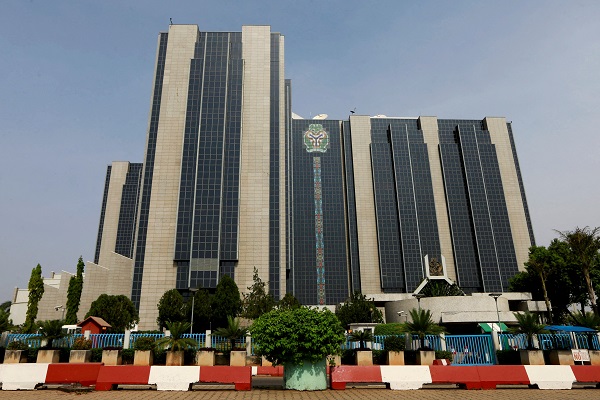
Nigeria’s foreign exchange reserves have reached $34.14 billion, marking a significant increase of 4.06% from $32.74 billion recorded on June 3, 2024, according to data released by the Central Bank of Nigeria.
The growth in reserves is attributed to recent loans secured by the Federal Government from the World Bank. In May, the government obtained a $500 million loan aimed at enhancing the country’s electricity distribution sector. Additionally, the World Bank announced a $2.25 billion support package to aid Nigeria in stabilizing its economy.
“This combined $2.25 billion package provides immediate financial and technical support to Nigeria’s urgent efforts to stabilize the economy and scale up support to the poor and most economically at risk,” stated the multilateral lender.
As a result of these developments, Nigeria’s external reserves have expanded by over $1 billion within a single month.
Last year, Nigeria faced a dollar shortage that necessitated the central bank to float the naira, leading to a depreciation of over 300% in one year. As of Friday, the naira traded at 1,514.31 per dollar at the Nigerian Autonomous Foreign Exchange market.
A Bloomberg report highlighted the naira as the worst-performing currency globally in the first half of 2024, attributing this to devaluation, inadequate dollar liquidity, and market volatility, which have posed challenges to the Central Bank of Nigeria’s efforts to stabilize the currency.
In addition to the naira, Egypt’s pound and Ghana’s cedi were also among the worst-performing currencies in the first six months of the year.
This rewrite encapsulates the key points of the original article while maintaining clarity and conciseness regarding Nigeria’s foreign exchange reserves and economic dynamics.







Comments
0 comments