
Samoa Agreement Highlights Human Rights, Democracy, And Economic Growth
 Follow us on Google News
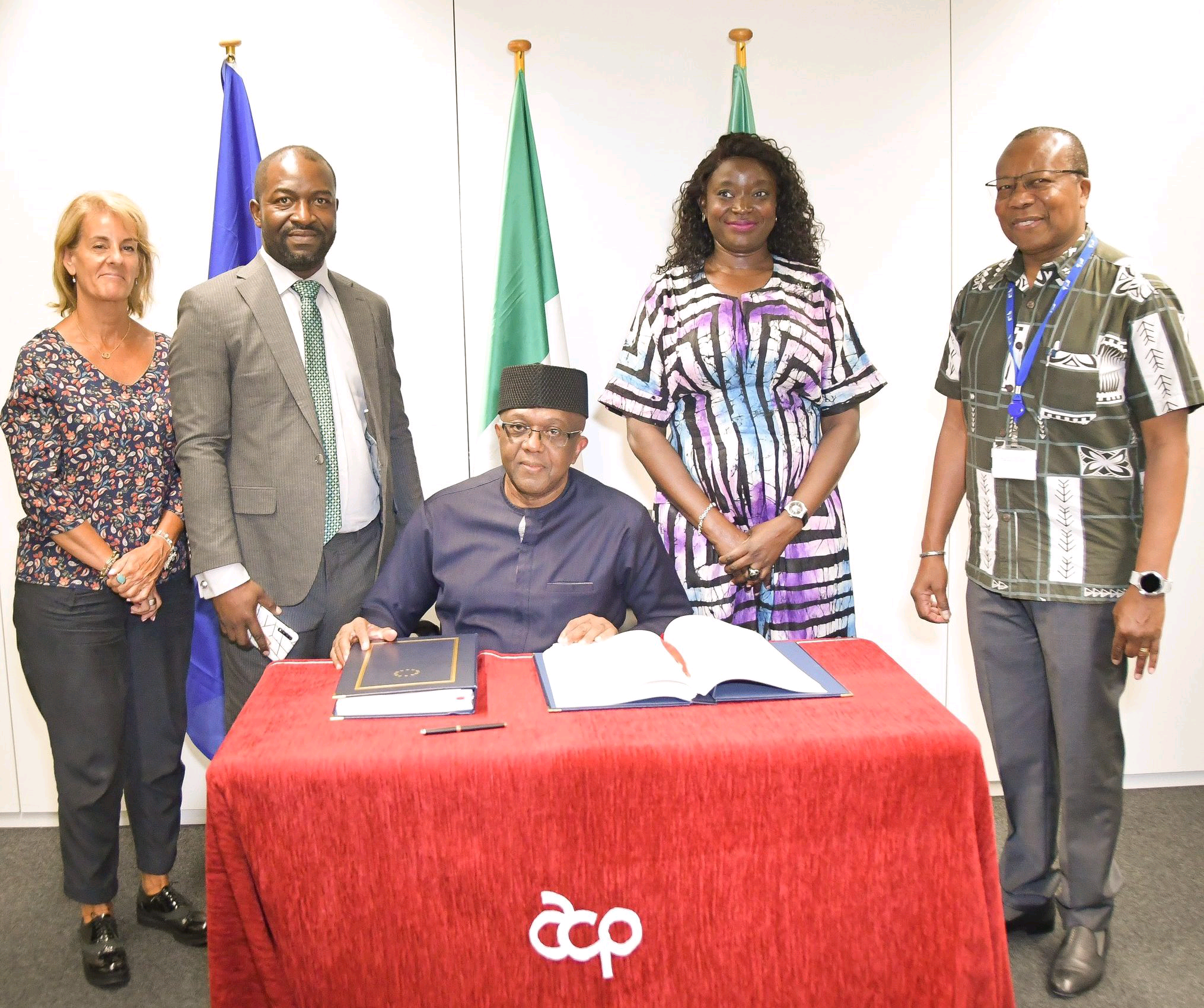
Samoa Agreement Highlights Human Rights, Democracy, And Economic Growth
The Samoa Agreement is a central framework for European Union relations with African, Caribbean, and Pacific countries. Replacing the 2000 Cotonou Agreement, which itself succeeded the 1975 Lomé Convention, this new partnership was officially signed on November 15, 2023, in Samoa and will serve as the legal framework for the next 20 years…….. CONTINUE READING
On July 20, 2023, the EU Council approved the provisional application of the Samoa Agreement, effective from the first day of the second month after its signing. The agreement covers 79 countries, including 48 African, 16 Caribbean, and 15 Pacific nations, impacting around 2 billion people.
The agreement aims to strengthen the EU and ACP countries’ capacity to tackle global challenges. It focuses on six priority areas: democracy and human rights, sustainable economic growth and development, climate change, human and social development, peace and security, and migration and mobility.
Human and social development aspects of the agreement emphasize access to social services, education, health, food security, improved nutrition, water, sanitation, housing, social cohesion, protection, population and development, women’s development, and youth involvement in policy implementation.
The agreement also covers decent work, demography, culture and sustainable development, cultural diversity, mutual understanding, cultural heritage, creative sectors, mobilization of sustainable investment, inclusive and sustainable growth, economic transformation, industrialization, private sector development, science, technology and innovation, research and development, ICT and the digital economy, maritime security, and arms proliferation.
Cross-cutting themes include gender equality, peace and security, environmental protection, climate change mitigation, culture and youth, terrorism, and organized crime.
The partnership underscores human development, aiming to build capacity to address challenges and achieve set objectives. It promotes institutional strengthening, best practices exchange, knowledge transfer, and resilience-building against environmental, economic, conflict, and health challenges.
The agreement emphasizes human rights, democratic principles, rule of law, and good governance. It highlights the indivisibility and interdependence of all human rights and commits to promoting universal respect and observance of these rights, combating all forms of discrimination and violence, and recognizing the rights of indigenous peoples.
In terms of governance, the agreement calls for transparent, accountable, and participatory governments with robust oversight mechanisms. It advocates for transparent public finance management, improved revenue collection, anti-corruption measures, and adherence to global tax governance standards.
On conflict and crisis management, the agreement adopts an integrated approach, focusing on prevention, mediation, resolution, and reconciliation. It emphasizes the effective governance of natural resources to prevent conflict.
The agreement also addresses non-proliferation of weapons of mass destruction, serious crimes, and terrorism. It commits to preventing genocide, crimes against humanity, and war crimes, supporting the International Criminal Court, and combating terrorism and violent extremism through international cooperation.
In summary, the Samoa Agreement establishes a comprehensive framework for EU relations with ACP countries, aiming to address a wide range of global challenges through cooperation and mutual commitment to human rights, democratic principles, and sustainable development.







Comments
0 comments