
Experts Warn Tinubu That Nigeria’s GDP Growth Rate Misrepresents Economic Reality
 Follow us on Google News
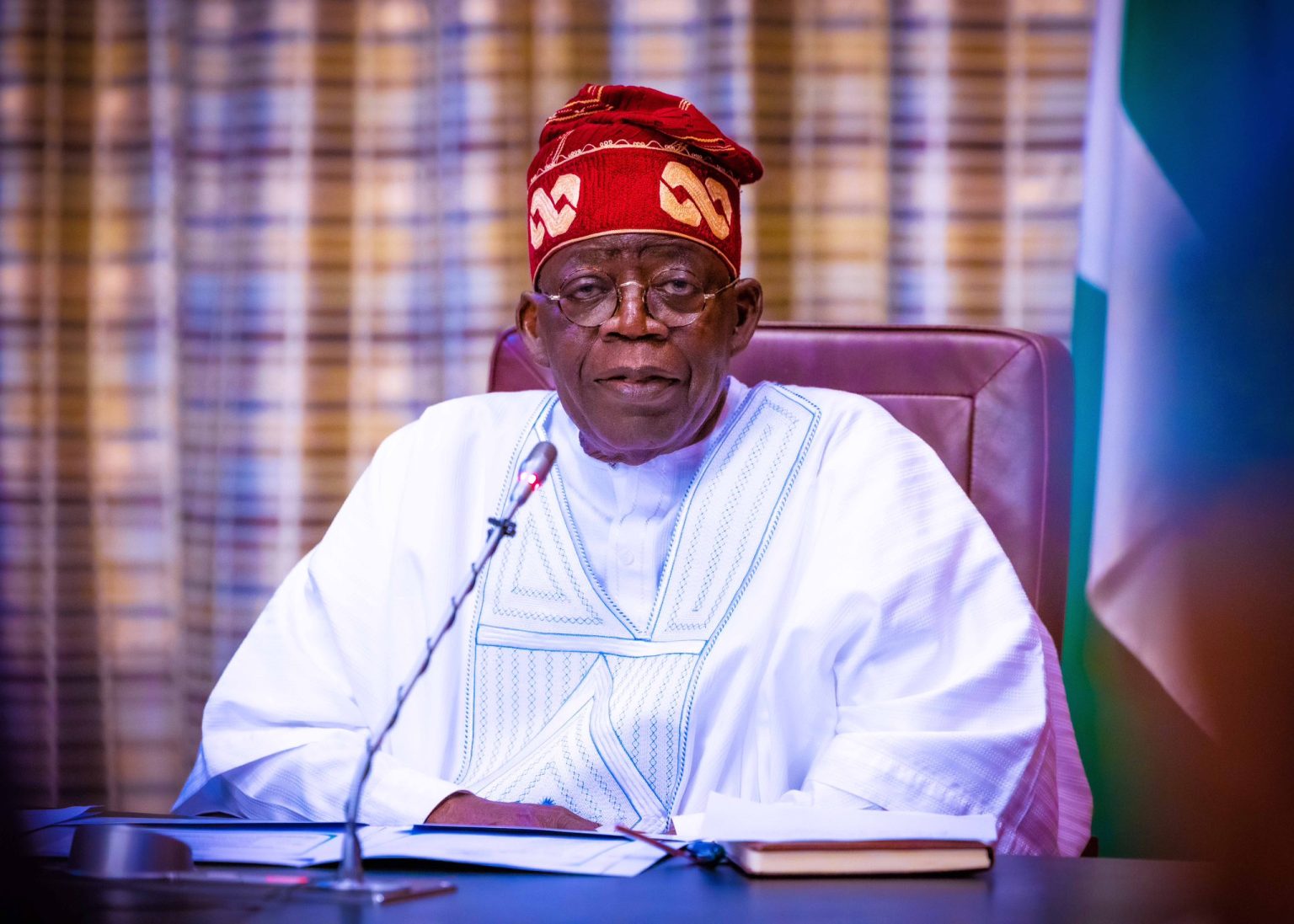
Experts Warn Tinubu That Nigeria’s GDP Growth Rate Misrepresents Economic Reality
Financial experts and economists have criticized President Bola Ahmed Tinubu, asserting that Nigeria’s 3.19% GDP growth in the second quarter of 2024 does not reflect the true economic struggles faced by citizens. Despite the National Bureau of Statistics’ report showing a rise from the previous quarter’s 2.98% growth, experts argue that this figure does not translate into improved living conditions……….CONTINUE READING
The NBS report highlighted significant contributions from the services sector, which saw a 3.79% increase and accounted for 58.76% of the GDP. While the non-oil sector contributed 94.30% to the GDP, and the oil sector 5.70%, economists remain concerned about the disconnect between macroeconomic indicators and the day-to-day realities for many Nigerians.
Ngozi Okonjo-Iweala, Director-General of the World Trade Organization, has also noted a reversal in Nigeria’s economic fortunes since 2014, despite consistent GDP growth. Although inflation has decreased slightly from 34.19% in June to 33.40% in July 2024, prices of goods and services remain high, adding to the economic strain on Nigerians.
Prof. Segun Ajibola, a prominent economist, stressed that economic growth must be effectively transmitted to households to make a meaningful impact. He emphasized the need for a holistic approach to economic development that integrates all sectors and translates macroeconomic performance into tangible benefits for citizens.
Financial analyst Gbolade Idakolo echoed these concerns, suggesting that the reported GDP growth does not align with the current economic difficulties, including high interest rates and currency depreciation. He called for policies to boost the capacities of SMEs and the manufacturing sector to rejuvenate the economy.
Prof. Godwin Oyedokun recommended a deeper analysis of regional and sector-specific growth to understand the industrial sector’s performance better. He suggested that a more detailed examination could help identify the factors driving growth and address regional disparities.
In conclusion, while Nigeria’s GDP growth shows positive numbers, experts urge the government to address the broader economic challenges and ensure that growth translates into real improvements in living standards.







Comments
0 comments