
Lagdo Dam: The Rising Threat Of Flooding And Displacement
 Follow us on Google News
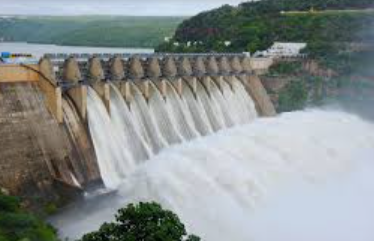
Lagdo Dam: The Rising Threat Of Flooding And Displacement
The seasonal floods affecting the banks of the Benue and Niger Rivers, which eventually flow into the Atlantic Ocean in Bayelsa State, originate from the Lagdo Lake in Northern Cameroon. These floods occur when excess water is released from the dam to prevent its overflow, inundating nearby towns and villages……CONTINUE READING
Constructed in 1982 by a Chinese company, the Lagdo Dam was intended to provide electricity, drinking water, and irrigation for farmlands in Garoua and surrounding northern regions of Cameroon. A feasibility study for a similar dam in Nigeria, specifically at Dasin Hausa in Adamawa State, was conducted in 1982, but the project has yet to materialize after decades of inaction. Had the dam been built, it could have mitigated the recurrent floods along the Benue River, generated electricity, irrigated around 150,000 hectares of farmland, created jobs, and attracted tourism to Adamawa State.
While Northern Cameroonians benefit from the resources of the lake, Nigerians continue to suffer the consequences of flooding. I recall visiting the dam in 1992 with a delegation from the Nigerian Institute of Policy and Strategic Studies, during which we were hosted by the Nigerian High Commission in Yaoundé. The guided tour showcased the dam’s benefits, including potable water, irrigation for crops like cotton and maize, and electricity supply to northern provinces.
The dam also facilitates trade, with goods transported via the river to the Douala seaport over 1,000 kilometers away. The region’s temperate climate makes it an attractive destination for tourists. If the Dasin Hausa dam had been constructed, it would have provided similar benefits while preventing the extensive flooding that Nigeria experiences.
This is not an isolated case; the Federal Ministry of Water Resources has identified over 100 abandoned dam projects, including the Khashimbila dam in Taraba State and the Goronyo dam in Gombe State. These projects have languished through ten different administrations from 1982 to 2018 due to a lack of vision and urgency from successive governments and responsible agencies.
The National Emergency Management Agency (NEMA) reports that the floods have caused significant destruction, displacing millions and resulting in economic losses estimated at over $12 billion since 2012. Despite this, no comprehensive solutions have been implemented beyond emergency evacuations.
To address this ongoing crisis, several measures are proposed:
1. Transfer dam projects to state governments.
2. Utilize Nigeria’s foreign reserves, currently exceeding $40 billion, to fund the completion of the Dasin Hausa and other flood-control dams.
3. Explore countertrade agreements, such as using oil revenues to finance these projects, a concept previously discussed with the Chinese government during President Yar’Adua’s administration.
4. Consider loans specifically designated for flood-control projects to ensure funds are not diverted elsewhere.
5. While Public-Private Partnerships (PPPs) could be explored, past efforts have often fallen short due to investors lacking adequate resources.
In summary, the causes of Nigeria’s flash floods are well understood, and viable funding solutions have been identified. The repeated devastation from floods is a national embarrassment, highlighting a failure to act on a clear and beneficial solution.
— Ambassador Akinkuolie Rasheed, former director of trade and investments at the Federal Ministry of Foreign Affairs.







Comments
0 comments