
Families Affected By Muscle Weakness: Siblings Reveal Heartbreaking Story Of Loss
 Follow us on Google News
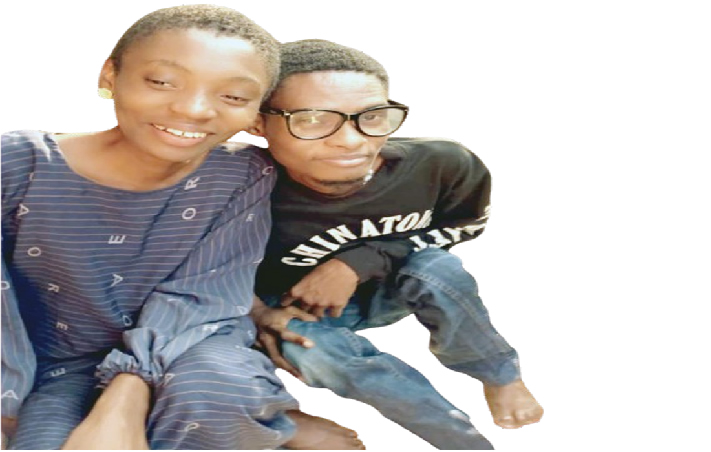
Families Affected By Muscle Weakness: Siblings Reveal Heartbreaking Story Of Loss
**Marvelous Cyril**, 27, and **Nnenna Cyril**, 21, both residents of Madalla, on the outskirts of Abuja, are grappling with the debilitating effects of muscular dystrophy. Their lives have been defined by loss, abandonment, and ongoing struggle since childhood. They share their story with BIODUN BUSARI, recounting the pain of losing their parents, betrayals from loved ones, and their daily dependence on others for mobility……CONTINUE READING
**Marvelous Cyril:**
**When did you first notice symptoms of muscular dystrophy?**
I was diagnosed around eight years old. It started with subtle signs—frequent falls and difficulty standing on my toes. Walking became increasingly challenging, and over the years, my condition deteriorated. My parents tried their best to help, but I eventually realized I wouldn’t outgrow it. Watching my friends run and play while I couldn’t was heartbreaking.
**Can you explain your condition?**
Muscular dystrophy is a genetic disorder that leads to progressive muscle weakness and degeneration. Neither of my parents had it, and I’m the second of five siblings—my youngest sister, Nnenna, also suffers from it. Thankfully, our older siblings show no signs of the disease.
**How did your parents react when they realized your condition?**
They were deeply concerned and began searching for solutions immediately. My mother, who was very emotional, became profoundly affected by my illness. I believe it led to her depression, ultimately contributing to her death. My father did everything he could—consulting specialists and seeking treatments, but nothing seemed to help. He too was broken by the emotional toll before passing away in 2012, a year after my mother.
**What efforts did your parents make to support you?**
Initially, my family turned to faith for answers, attending various churches seeking spiritual healing. After many prayers with no improvement, we sought medical advice. A doctor informed us that while muscular dystrophy couldn’t be cured, it could be managed. This shifted our focus from spiritual healing to medical care. Unfortunately, we didn’t receive substantial help from family or friends, and it felt like no one understood the depth of our struggles.
**Have you visited the hospital since your parents passed?**
Yes, a compassionate woman took me to a hospital in Gwagwalada, Abuja, where a doctor suggested therapy. However, the treatment costs were high, and I haven’t heard from her since.
**What did the doctor recommend for managing your condition?**
He suggested prosthetic devices to help improve our mobility. With the right support, both Nnenna and I could regain some independence, which was promising.
**Did doctors identify the cause of your condition?**
Last year, doctors confirmed my muscular dystrophy diagnosis. Interestingly, I learned that my paternal grandfather had leg defects, but I’m unsure if there’s any connection.
**How do you manage daily tasks?**
Daily life is a struggle. My siblings assist me with moving around and even simple tasks. If I want to go outside, they have to carry me there and back. This reliance can be isolating.
**How do you handle financial challenges?**
I depend on my three older siblings, who work to support us. They manage the bills and daily needs, which can be overwhelming for them. They express frustration at times, which is understandable given the burden they carry.
**What support have you received from your community?**
Unfortunately, I have few friends, and our family lacks a strong support network. However, after a journalist, Adeola Fayehun, featured us in a video, we received some financial assistance, but the struggle continues.
**Did you complete your education?**
I had to stop my education in Junior Secondary School due to my condition.
**Have any extended family members offered help?**
Yes, some promised assistance after our parents passed, but those promises never materialized. When we returned to our village after their deaths, our relatives assured us of support for our education, but after four years without any help, we left in search of a better life.
**What are your ambitions?**
I’m currently learning graphic design but have struggled to find success. With financial support, I could further my education and pursue a professional career.
**How can Nigerians assist you and your sister?**
I appeal for financial help to obtain the prosthetics the doctors recommended. We’ve been told that treatment abroad could significantly improve our condition. Additionally, I need a laptop to develop my graphic design skills and achieve independence.
**How would you describe your life with these challenges?**
Life has been extremely difficult and overwhelming. I rely on others for almost everything, which can be isolating. I often feel trapped, unable to engage with the world as my peers do.
—
**Nnenna Cyril:**
**When were you diagnosed with muscular dystrophy?**
I was diagnosed when I was eight, shortly after my mother’s death. For over a decade, I’ve struggled with this disease. It’s painful to watch my peers enjoy their freedom while I depend on others for basic movements.
**What symptoms did you experience?**
I initially struggled to stand and walk properly, and over time, my condition worsened to the point where I could no longer walk at all.
**Did you feel any pain when the symptoms began?**
No, I didn’t experience physical pain at first. The most painful part now is coping with the overwhelming challenges and lack of support.
**Have you received any medical help?**
Yes, a relative took me to a hospital in Nasarawa State, where they emphasized the need for therapy and prosthetics. Advanced care abroad could greatly benefit us, as wheelchairs aren’t suitable for our terrain.
**Have you received any support from family or friends?**
Unfortunately, I lack friends or a supportive family nearby. People often shy away from those with physical challenges, and our relatives have not offered help.
**Do you have any vocational skills?**
I don’t have formal skills, but I love drawing. With financial support, I could train in art to support myself independently.
**How has your community responded to your situation?**
Occasionally, kind-hearted individuals provide small assistance, but overall, we feel abandoned. I wish we could move to a better environment where we deserve a decent quality of life.
**What are your aspirations?**
I dream of becoming a nurse because I have a passion for helping others. Unfortunately, I had to leave school after Primary 5, but I believe I could continue my education with sponsorship.
**How do you view life currently?**
Life has been incredibly challenging and frustrating. I wish for a positive change in our situation.
**What brings you joy amidst these struggles?**
I find happiness in the arts. Drawing, reading, cooking, and watching movies provide comfort and help me grow personally.

Comments
0 comments