
NIWA Chief Explains Why Boat Accidents Continue Despite Safety Regulations
 Follow on Google News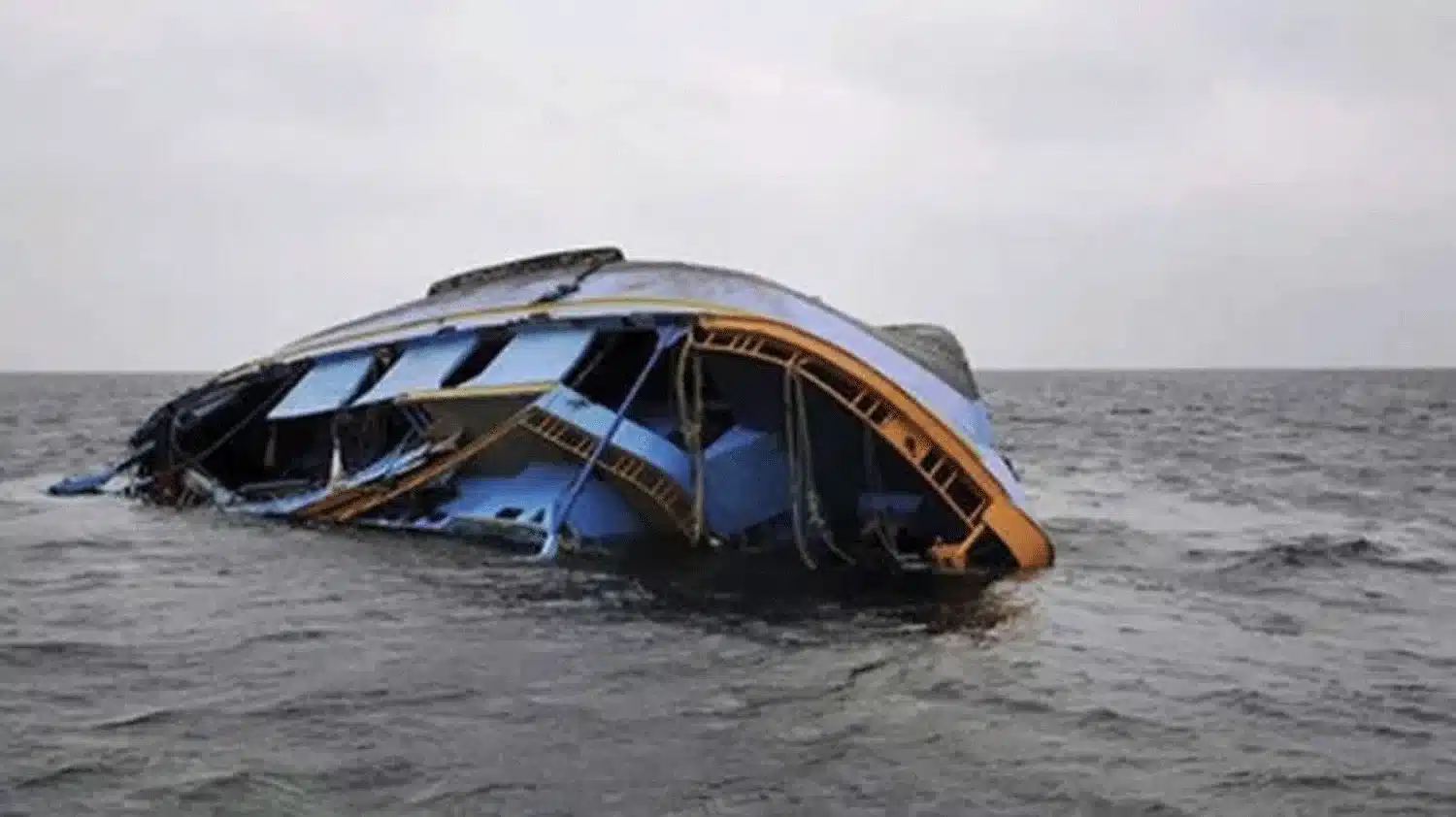
NIWA Chief Explains Why Boat Accidents Continue Despite Safety RegulationsThe Managing Director of the National Inland Waterways Authority (NIWA), Bola Oyebamiji, has attributed the persistent issue of boat accidents in Nigeria to human error, drug use, and non-compliance with safety regulations. During an oversight visit by the House of Representatives Committee on NIWA to the agency’s headquarters in Lokoja, Kogi State, Oyebamiji reaffirmed NIWA’s dedication to improving water transportation safety in the country.
“Research has shown that 99 percent of accidents on our waterways are caused by human error. Operators often make avoidable mistakes that should not result in disasters,” Oyebamiji explained. He also pointed out the concerning issue of drug abuse among some boat operators, which compromises their decision-making and significantly contributes to accidents.
In addition, he highlighted the widespread disregard for safety regulations, such as the overloading of boats with as many as 150 to 200 passengers—well beyond their capacity. He stressed the importance of adhering to established safety codes, which many operators fail to follow, leading to preventable accidents.
Oyebamiji further noted the lack of adequate life jackets for passengers and called attention to the insufficient penalties for safety violations, with fines currently capped at just ₦30,000, which he argued are not enough to deter unsafe practices.
The Chairman of the House Committee on NIWA, Ojema Ojotu, led a seven-member delegation to assess the authority’s operations and management. He emphasized the strategic significance of Nigeria’s inland waterways in enhancing connectivity, reducing road congestion, and boosting the national economy.
“As public representatives, we must ensure that this potential is fully harnessed for the benefit of all Nigerians,” Ojotu said. “This visit provides us with the opportunity to examine key issues such as operational efficiency, safety on the waterways, infrastructure development, and the management of NIWA’s resources.”
Ojotu acknowledged the unique challenges in managing the country’s inland waterways, including frequent boat accidents, flooding in vulnerable regions, and the need for modern infrastructure like inland ports and navigable channels. He emphasized the importance of dredging waterways and upgrading infrastructure to unlock the full potential of Nigeria’s inland transport system.
The committee chairman also called for greater investments in human capacity development and the acquisition of operational equipment, such as boats, to strengthen safety enforcement and improve emergency response capabilities. Recognizing the limits of traditional government funding, Ojotu advocated for alternative financing methods, including public-private partnerships, concessional arrangements, and innovative funding models to address infrastructure gaps.
“These approaches will help bridge funding shortfalls and facilitate meaningful infrastructural development,” Ojotu said. “As we engage with NIWA’s leadership today, we must focus on finding practical solutions to the critical challenges facing the inland waterways sector. This committee will continue to push for policies and budget allocations that align with national priorities and support sustainable growth.
For more information on this article and other related posts from Bushradiogist, please join our WhatsApp channel by clicking this link https://whatsapp.com/channel/0029VaUumOODTkK7AZL1Fw3o. For advertisement inquiries only, kindly send a message to 090 1907 0863 on WhatsApp.






Comments
0 comments