
Nigeria’s Power Crisis: Unveiling The True Cost Of Blackouts
 Follow us on Google News
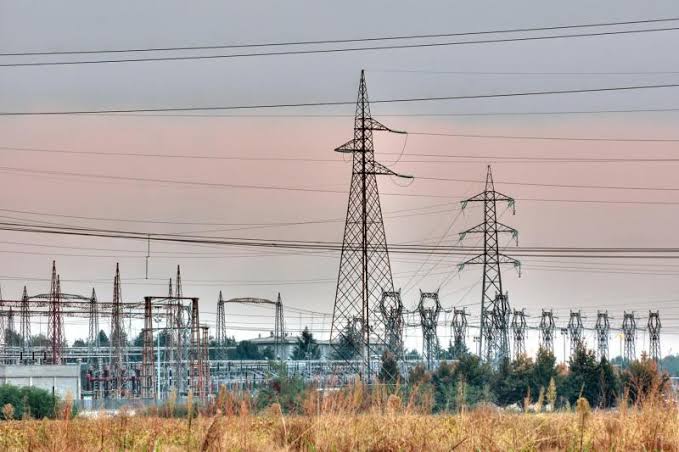
Nigeria’s power sector faces critical challenges, and there is an urgent need for significant improvements to ensure reliable electricity for the nation.
In response, the Minister of Power, Adebayo Adelabu, announced plans to allocate ₦8 billion for a nationwide sensitization campaign through various media channels to educate Nigerians on the importance of timely electricity bill payments.
According to Adelabu, the initiative is designed to tackle issues such as power theft, poor payment habits, and the protection of critical national power assets. He emphasized that many Nigerians fail to recognize that electricity is not free and that safeguarding infrastructure is crucial for a stable power supply.
“Our people need to understand that paying their electricity bills is essential to maintaining the infrastructure that powers homes, businesses, and industries,” Adelabu stated.
Public Reactions
However, many Nigerians, while speaking with Naija News, have criticized the initiative, questioning the rationale behind spending such a large amount on sensitization instead of addressing pressing issues in the power sector.
Sam from Ogun State shared his concerns:
“I think spending ₦8 billion to educate Nigerians on paying electricity bills is a step in the wrong direction. That money should be used to address critical problems like vandalism.
“Vandals stealing cables and electrical equipment have caused frequent grid collapses. Recently, an outage in Abuja affected Aso Rock, and the Transmission Company of Nigeria (TCN) attributed it to vandalism. How can you lecture people about paying bills on time when they don’t even get electricity reliably?
“The Minister of Power has also lamented about debts owed to the sector. Last year, TCN released a list of debtors, which included universities and even Aso Rock itself. There was an incident at the University of Ilorin Teaching Hospital (UITH) where their electricity was disconnected due to unpaid bills. Even government parastatals like the Army Headquarters and the FCT Minister owe significant debts.
“If the government wants to educate Nigerians, it should start with itself. If government institutions pay their bills on time, it will set an example for citizens to follow. Instead of spending billions on sensitization, address the root causes of the electricity crisis first.”
The issue of Nigeria’s power supply continues to spark debates, with many questioning the government’s priorities in tackling the sector’s challenges.




Comments
0 comments