
Senate Drops Bombshell: Only Nigerian-Made Cars For Government from Now On
 Follow us on Google News
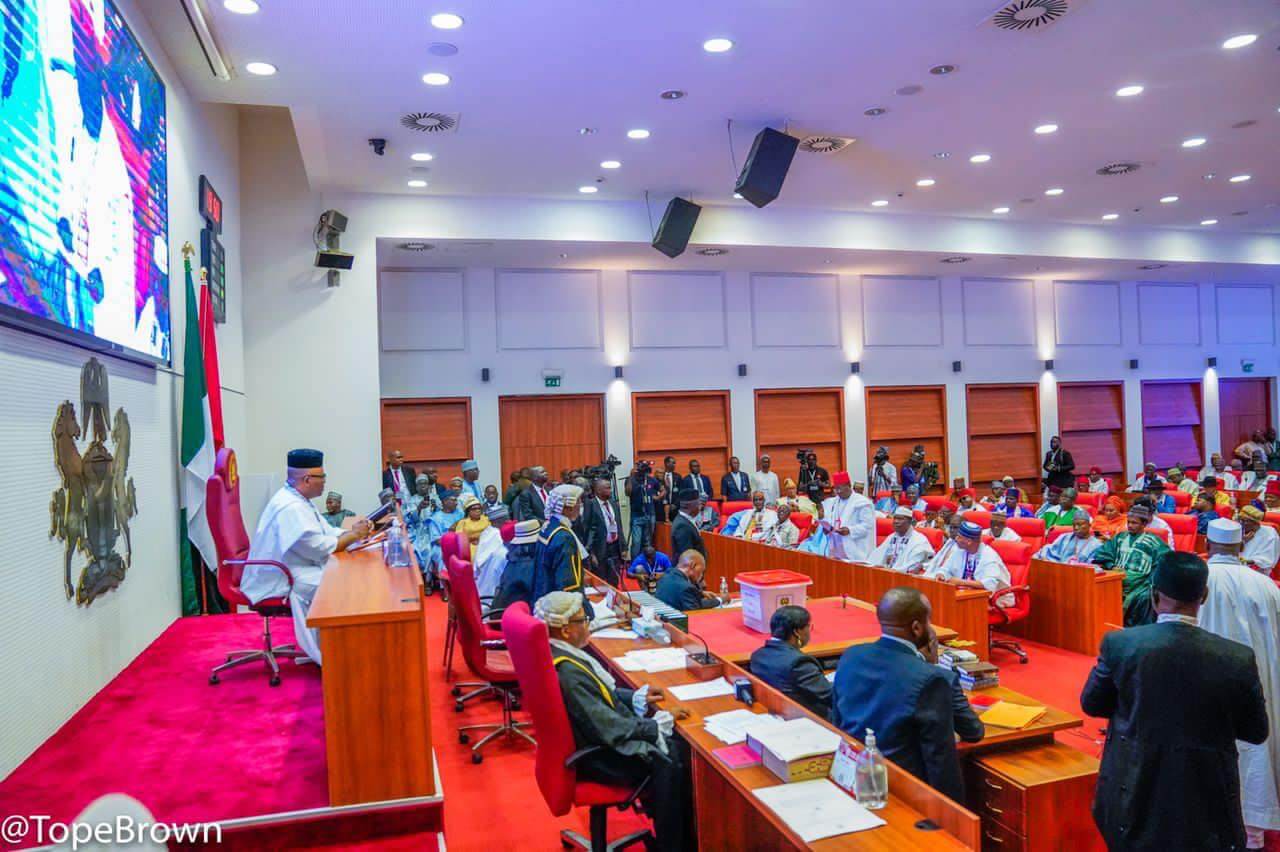
A bill aimed at mandating Ministries, Departments, and Agencies (MDAs) to prioritize the purchase of Nigerian-made vehicles has scaled its second reading in the Senate.
Titled the ‘Local Automotive Industry Patronage Bill, 2025’, the legislation is sponsored by Senator Patrick Ndubueze, who represents Imo North.
Introduced in October 2024, the bill passed its first reading and has now advanced to the second stage. Leading the debate on the Senate floor, Ndubueze stressed that Nigeria’s heavy reliance on imported vehicles continues to weaken the naira and stifle local industry.
“Any nation seeking consistent economic growth must adopt policies that promote and support local production,” he said.
Ndubueze emphasized the importance of producing goods and services domestically to reduce imports, increase exports, and strengthen the economy. He lamented that Nigeria has failed to embrace its indigenous automobile brands, often favoring foreign alternatives with no added value.
He further noted that inflation and naira depreciation could be mitigated by reviving the local auto industry. Although 54 automobile manufacturing licenses have been issued in Nigeria, only six companies are currently operational—due to factors like inadequate infrastructure and limited access to foreign exchange.
According to Ndubueze, some Nigerian automotive firms have even relocated their operations to Ghana, setting up manufacturing plants there to serve the Nigerian market.
“How can we stop the naira’s decline if we continue our obsession with foreign goods?
How can we grow local brands if the government—the largest annual spender—refuses to support made-in-Nigeria products?” he questioned.
He proposed that at least 75% of government-procured vehicles should be not just assembled, but fully manufactured in Nigeria. He called it a crucial first step toward stabilizing the economy, creating jobs, and boosting national pride.
Senator Ndubueze also proposed that only companies with a minimum 70% Nigerian workforce, 75% local research and development spending, and advanced technologies like robotic painting systems and electrophoresis should qualify as local manufacturers.
“Supporting local industry must be treated as a strategic investment and a matter of national security,” he added.
He referenced the early policies of countries like China, India, and Malaysia, which initially banned foreign car imports to strengthen their local auto sectors. Today, these nations export vehicles globally—including to Nigeria.
Senate Chief Whip, Senator Mohammed Monguno (Borno Central), backed the bill, saying it would give legal force to the Federal Executive Council’s (FEC) earlier directive on using Nigerian-made goods.
“This legislation will protect the policy from being overturned by future administrations,” he said.
Deputy Senate President Barau Jibrin, who presided over the session, stated that the bill would not only create employment for Nigerian engineers but also attract new investors to the sector.
“This bill will boost the naira, energize our auto industry, and uplift the economy. We hope the President will sign it swiftly,” Jibrin said.
The bill has been forwarded to the Senate Committee on Public Procurement for further review. A report is expected within four weeks, moving the proposal one step closer to becoming law.







Comments
0 comments