
Federal Govt Set To Overhaul Healthcare Policy For Civil Servants Nationwide
 Follow us on Google News
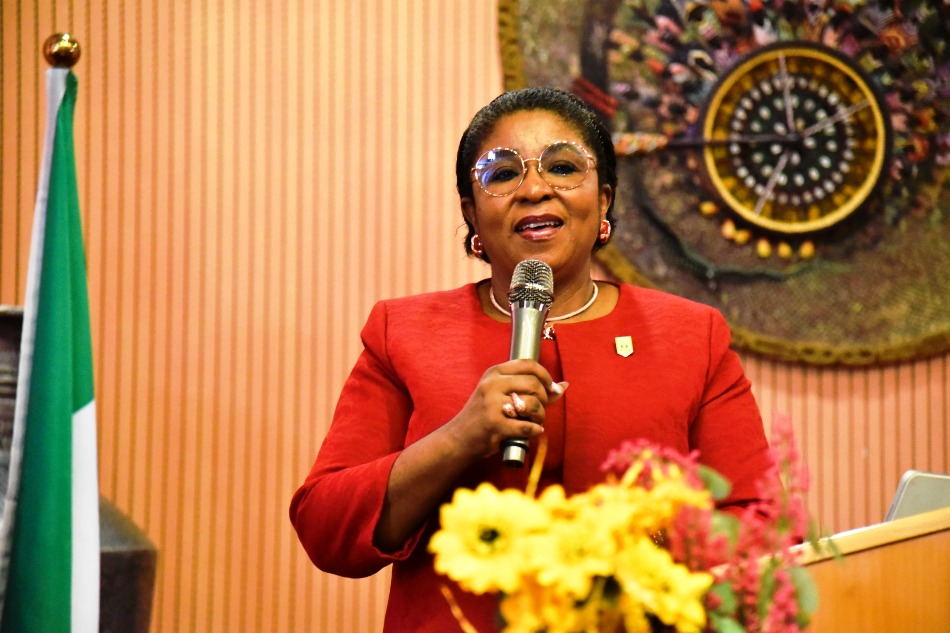
The Nigerian government has unveiled plans to revise its healthcare policy for civil servants, citing the need for a more efficient and modern system in light of rising drug prices and ongoing challenges in service delivery.
This announcement came during a free medical screening for civil servants in Abuja, organized as part of activities for the 2025 Civil Service Week.
Head of the Civil Service of the Federation, Mrs. Didi Walson-Jack—represented by the Permanent Secretary of the Service Welfare Office, Mrs. Patience Oyekunle—highlighted the urgent need to prioritize the health of workers, noting that a healthy workforce is essential to national productivity.
“Good health reduces medical expenses and boosts performance at work,” Oyekunle stated. She commended the smooth execution of the medical outreach, which featured prompt test results and immediate treatment for various conditions.
Addressing gaps in the National Health Insurance Authority (NHIA) scheme, especially the difficulty civil servants face in accessing medicines and quality healthcare, she called for an urgent overhaul of the current policy.
“Our healthcare framework is outdated and doesn’t reflect today’s economic and medical realities. A review is long overdue,” she said.
Participants in the screening exercise expressed appreciation for the initiative. Azeez Champion praised the organization of the program and urged his colleagues to take their health seriously.
“We’ve lost many colleagues to preventable health issues. This initiative can help save lives,” he added.
Another beneficiary, Eneh Benedict, disclosed that she had just discovered she had high blood pressure during the screening.
“I had no idea I was hypertensive. I’ve already started treatment and I’m feeling better. This initiative must continue,” she urged.
Dr. Longbap Dinfa, Assistant Director at the Wellness Centre under the Office of the Head of Civil Service, said the outreach covered a wide range of tests—including screenings for hepatitis B and C, malaria, typhoid, diabetes, and high blood pressure.
He revealed that several undiagnosed conditions were detected, including hepatitis, peptic ulcers, and malaria-typhoid infections. One participant who collapsed the day before was quickly stabilized and is now receiving care.
Dr. Dinfa noted that serious cases were referred to the National Hospital and encouraged civil servants to make routine health checks a regular habit.






Comments
0 comments