
Super Eagles Disgrace? Peter Obi Reacts To Wike’s Face-Off With Naval Officer
 Follow us on Google News
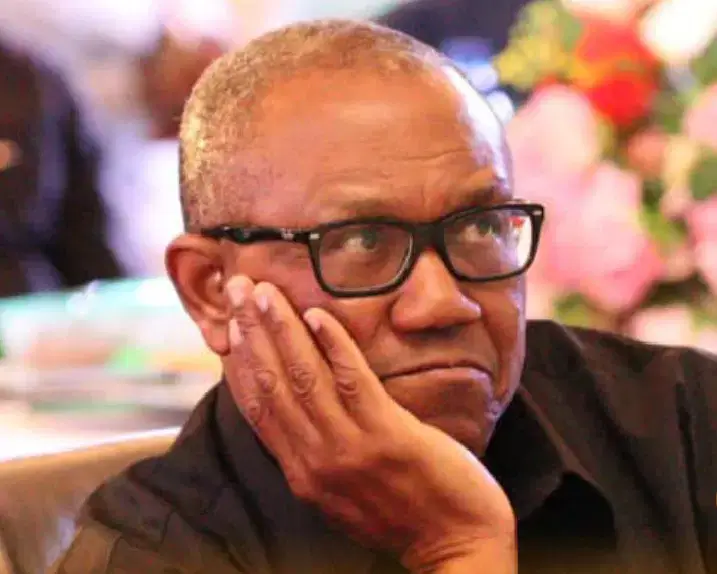
Former Labour Party presidential candidate, Peter Obi, has condemned the recent confrontation between the Minister of the Federal Capital Territory (FCT), Nyesom Wike, and Nigerian Navy officer A.M. Yarima, calling it a “national embarrassment.”
In a statement shared on his account on Wednesday, Obi said the incident underscores the need for national reflection.
The clash occurred on Tuesday in Abuja when soldiers blocked Wike and his entourage from accessing a parcel of land in the Gaduwa district. Tensions escalated after armed personnel prevented the former Rivers State governor from entering the site, prompting officials accompanying him to protest.
Speaking on-site, Wike accused former Chief of Naval Staff, Vice Admiral Awwal Zubairu Gambo, of using military personnel to intimidate civilians over land development for which Gambo allegedly has no legal title. The Minister insisted the development was unauthorized and vowed not to be intimidated.
Reacting to the incident, Obi described the altercation as unnecessary and indicative of deeper institutional issues in Nigeria. He emphasized that beyond the personalities involved, the episode raises critical questions about the military’s role in civil matters and the propriety of ministerial interventions.
Obi highlighted that when public officials act beyond established norms and security agencies are drawn into civilian disputes, both governance and public trust are undermined. He called for Nigeria to strengthen institutions, enforce due process, and replace impunity with adherence to law, regardless of the status of those involved.
Obi wrote:
“The recent needless altercation between FCT Minister Nyesom Wike and a Naval officer is yet another reflection of the growing institutional disorder in our country. What should have been a routine civic encounter has become a national embarrassment—a clear example from a ‘disgraced country.’
This incident raises fundamental questions that require honest national reflection: Should the military be deployed for purely civil matters? Was it appropriate for a Minister to intervene in such a manner? Are administrative authority and the duties of security agencies clearly defined?
What does this say about our respect for institutions, the separation of powers, and the frequent involvement of uniformed personnel in civilian disputes? Why has civility and due process given way to public spectacle and confrontation? What message does this set for our younger generation about leadership, discipline, and rule of law?
These are not questions about a single incident—they go to the heart of national governance. When public officials exceed institutional norms and security forces act beyond their remit, we weaken governance and public trust.
We must learn from this. A nation that aspires to greatness must prioritize institutions over individuals, exercise public office with humility and restraint, and uphold both the dignity of our security personnel and the rights of citizens. A culture of impunity must give way to law, order, and due process.
To occupy a public office and be addressed as His Excellency, Distinguished, or Honourable should reflect not only the title but also exemplary conduct and character, in office and beyond.”




Comments
0 comments