2026 Budget Debate Heats Up: Natasha Calls for Transparent Spending and Real Outcomes
 Follow us on Google News
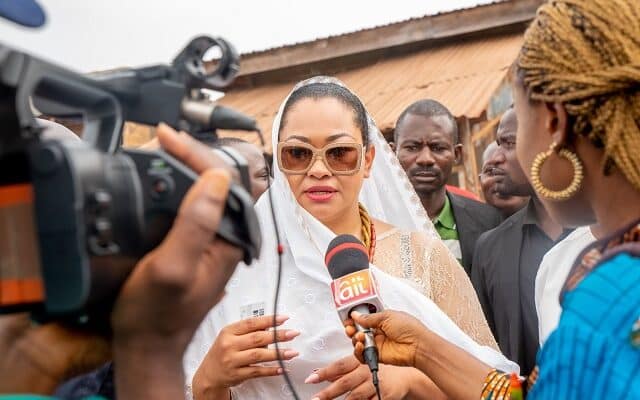
Senator Natasha Akpoti-Uduaghan, representing Kogi Central, has called on President Bola Tinubu to ensure that the proposed ₦58.18 trillion 2026 Appropriation Bill translates into tangible and measurable benefits for ordinary Nigerians, cautioning that headline budget figures alone cannot resolve the nation’s development challenges.
Speaking on Friday in response to President Tinubu’s budget presentation to a joint session of the National Assembly, the senator acknowledged the significance of the exercise but warned against prioritizing fiscal size over real, impactful outcomes.
Akpoti-Uduaghan observed that while the proposed budget reflects Nigeria’s economic ambitions and structural challenges, citizens are primarily concerned with how government spending improves their everyday lives. She remarked, “Of all the lengthy speeches, one line by Mr. President struck me deeply: it’s not the size of the budget but the quantum of impact felt by Nigerians.”
She stressed that fiscal expansion without corresponding improvements in living standards risks intensifying public frustration and widening the trust gap between citizens and government.
The Kogi lawmaker emphasized that annual budgets must go beyond impressive projections, delivering concrete results such as sustainable job creation, functional infrastructure, affordable healthcare, quality education, and accessible social services. She added that the effectiveness of a budget should be measured not by its nominal value but by its ability to enhance welfare, productivity, and social stability across communities.
Leaders Must Uphold Accountability
Akpoti-Uduaghan further highlighted the need for accountability in governance, insisting that both leaders and citizens share responsibility in ensuring effective outcomes. “Leaders must do better, and citizens must demand accountability,” she said.
As a member of the Senate Committee on Finance, Akpoti-Uduaghan has consistently championed fiscal transparency, prudent management of public resources, and people-centered budgeting—principles aligned with growing public demands for governance that produces visible benefits at the grassroots.
Her comments mirror broader concerns within and outside the National Assembly that, despite the increasing size of Nigeria’s annual budgets, many Nigerians have yet to see commensurate improvements in welfare, economic productivity, and social cohesion. Rising expenditures have not yet alleviated challenges such as unemployment, inflationary pressures, and declining purchasing power.
President Tinubu, in his presentation, introduced the 2026 Appropriation Bill titled “Budget of Consolidation, Renewed Resilience and Shared Prosperity”, highlighting a cautiously improving economy. He pledged stricter budget discipline, stronger revenue enforcement across government agencies, and an uncompromising security stance, declaring all armed non-state actors as terrorists under his administration’s doctrine.
Defending his administration’s economic reforms, Tinubu cited a 3.98% economic growth in Q3 2025, eight consecutive months of easing inflation, improved oil output, stronger non-oil revenues, and renewed investor confidence as evidence of progress.
However, lawmakers like Akpoti-Uduaghan insist that the ultimate test of the 2026 budget will not be macroeconomic indicators alone but its real-world impact on the lives of Nigerian households, communities, and livelihoods nationwide.