Safety Alarm: NCAA Reacts As Air Peace Aircraft Is Damaged On Ground
 Follow us on Google News
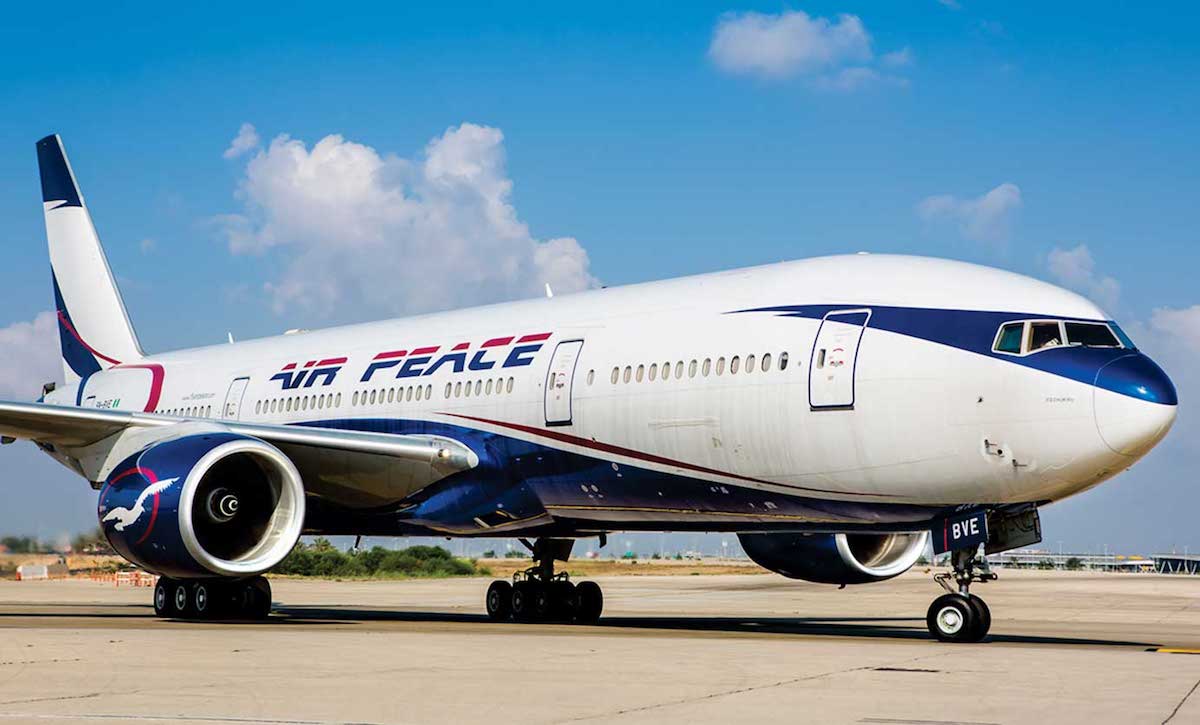
A Lagos–Accra flight operated by Air Peace was disrupted on Friday after a conveyor belt belonging to a ground handling company struck the aircraft at the airport.
The incident occurred after passengers had already boarded, forcing the airline to offload them and suspend the flight. The Director of Public Affairs and Consumer Protection at the Nigeria Civil Aviation Authority (NCAA), Michael Achimugu, confirmed the development in a post on .
According to Achimugu, the collision damaged the aircraft’s engine cowling, rendering it unsafe to operate. “Passengers were already on board when a ground handler’s conveyor belt hit the aircraft, damaging the engine cover. They had to be deboarded,” he said.
He explained that the affected aircraft was scheduled to operate nine flight sectors, meaning the disruption would impact several passengers beyond the Lagos–Accra route. All travellers booked on the aircraft’s subsequent flights are expected to experience delays or possible cancellations.
Achimugu lamented that although the incident was not Air Peace’s fault, the airline would still bear the consequences, including passenger backlash, refunds, compensation claims, and costly repairs involving foreign exchange.
Recalling a previous incident, he noted that a bird strike had once cost the airline over three million dollars in repairs, with replacement parts taking a month to arrive from the manufacturer.
He further disclosed that the damaged aircraft was one of Air Peace’s newly acquired Embraer E195-E2 jets and was fully booked until January 15, 2026. As a result, many passengers scheduled to travel on the aircraft will face disruptions.
Achimugu also highlighted how airlines are often blamed publicly for issues caused by third-party service providers. He explained that airlines typically cite “technical” or “operational” reasons rather than expose ground handling companies, while still facing passenger anger and regulatory consequences under NCAA regulations.
He stressed the need for stricter oversight of ground handling companies, warning that poorly trained personnel pose serious safety, financial, and reputational risks to airlines. He called for the “naming and shaming” of incompetent service providers and revealed that the NCAA is considering tougher sanctions to deter such incidents.
Achimugu urged the public not to blame airlines for disruptions beyond their control and encouraged transparent communication with passengers. He added that although Air Peace maintains two standby aircraft, they were already deployed to handle similar emergencies and, in any case, have smaller seating capacities than the damaged jet.
“These are some of the behind-the-scenes challenges that make airlines appear culpable,” he said, concluding with a call for better public education and clearer disclosure to dispel perceptions of secrecy within the aviation industry.