Energy Tensions Rise As Trump Appeals For Help To Reopen Key Shipping Route
 Follow us on Google News
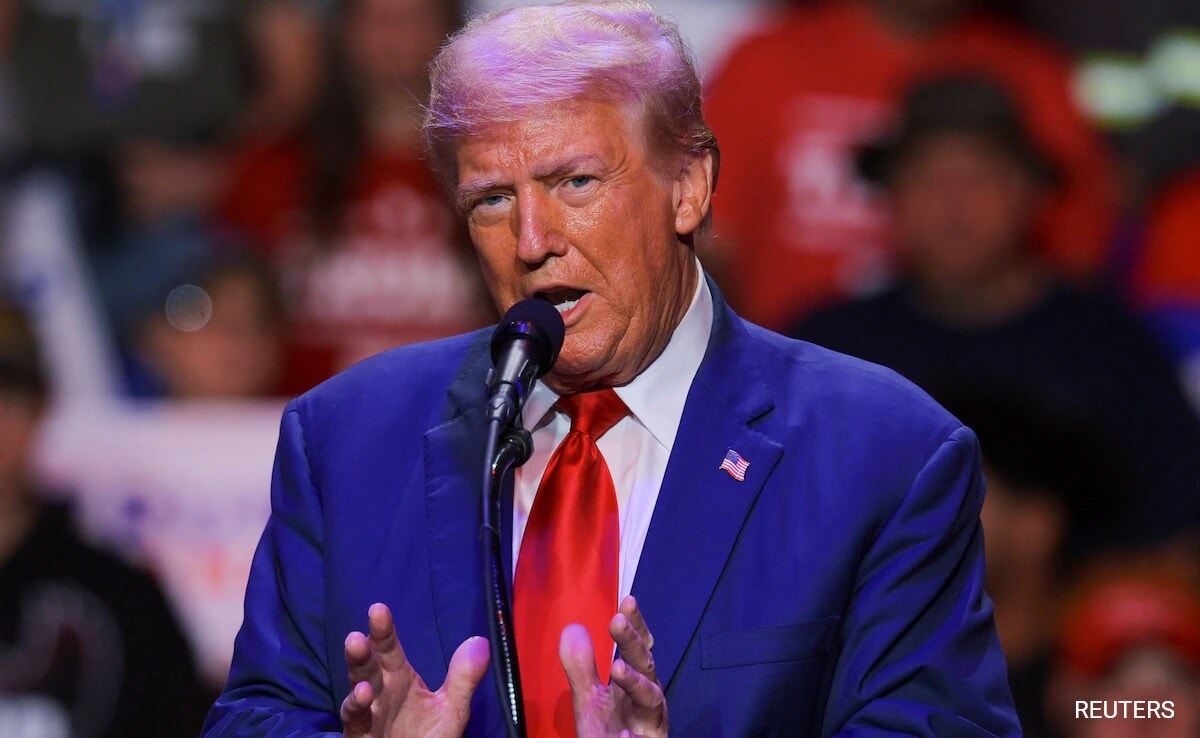
United States President Donald Trump has urged other nations to assist in securing maritime traffic through the Strait of Hormuz, stating that several countries are prepared to deploy naval vessels alongside the United States to help reopen the vital energy corridor.
In a post on Truth Social on Saturday, Trump said that countries affected by disruptions in the Strait, particularly those dependent on oil shipments passing through it, would send warships to collaborate with the U.S. in keeping the route open and secure.
He claimed that the United States had significantly weakened Iran both militarily and economically, but argued that nations receiving oil through the Strait should share responsibility for protecting the passage, adding that the U.S. would provide substantial support.
Trump specifically mentioned China, France, Japan, South Korea, and United Kingdom as countries he hoped would participate in the effort.
However, it remains unclear which governments have formally agreed to deploy ships, and the White House has not provided specific details regarding commitments.
The Strait of Hormuz is considered one of the world’s most important maritime routes for oil transport, and tensions in the region have increased amid the ongoing conflict involving Iran. U.S. officials have indicated that restoring safe commercial navigation through the waterway is a top priority.
The UK Ministry of Defence stated that it is consulting with allies on possible measures to enhance maritime security in the region.
French President Emmanuel Macron has expressed support for forming a multinational naval presence to guarantee free passage through the Strait, although he noted that coordination efforts may take time. Meanwhile, UK Defence Secretary John Healey said discussions are still at an early stage and emphasised the importance of de-escalation.
Trump added that the United States would coordinate closely with partner nations to ensure swift and effective action, describing the initiative as a collaborative effort.
In response, Iranian officials criticised the proposal. Iran’s Foreign Minister Abbas Araghchi said U.S. policy was escalating tensions rather than preventing conflict.
He claimed that the Strait had not been fully closed but stated that access restrictions applied to vessels linked to the United States and Israel.
Additionally, Islamic Revolutionary Guard Corps commander Aziz Reza Tangsiri dismissed Trump’s call for assistance, saying the Strait remained under control rather than completely shut.
The developments come amid heightened global concern over energy supply disruptions, as the situation in the region continues to affect international oil markets.