The Peoples Democratic Party (PDP) and the African Democratic Congress (ADC), alongside legal experts and civic groups, warned that the allocation could point to expectations of widespread legal challenges following the 2027 general elections.
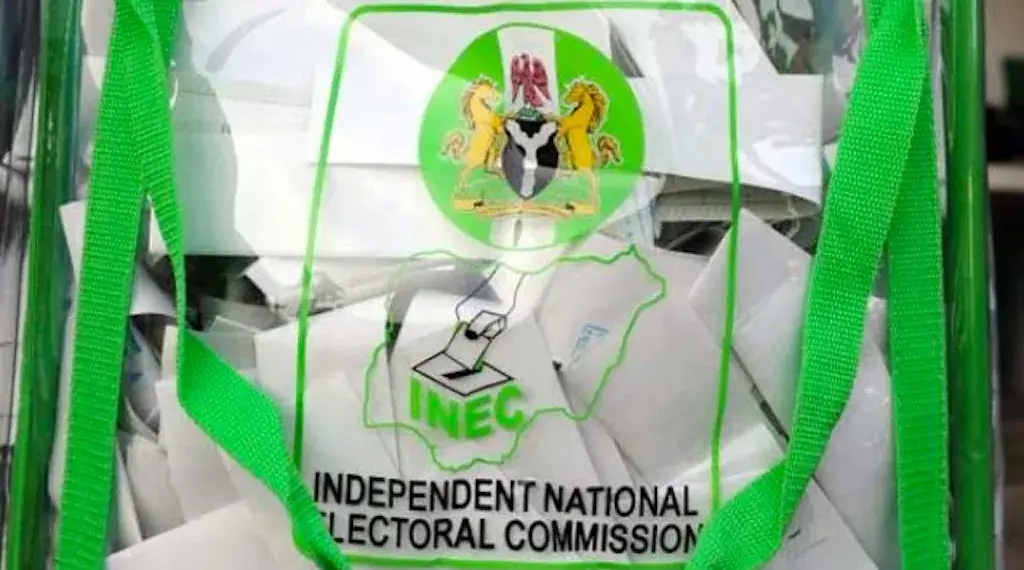
The PDP National Publicity Secretary, Ini Ememobong, speaking in an interview with Punch, said the huge budget raises doubts about the integrity of Nigeria’s electoral process. He argued that such a large provision suggests a lack of confidence in the credibility of the Independent National Electoral Commission (INEC).
According to him, if elections are conducted transparently, the number of post-election disputes would naturally decrease. He added that the scale of litigation funding indicates underlying issues with transparency within the electoral system and questioned the need for such a substantial allocation, noting that INEC already has internal legal resources.
Ememobong further urged all stakeholders to prioritise the protection of Nigeria’s democracy above political interests, calling on the government and electoral authorities to ensure credible and transparent elections ahead of 2027.
Similarly, the ADC National Publicity Secretary, Bolaji Abdullahi, acknowledged that provisions for election-related litigation are necessary but described the ₦135 billion allocation as excessive. He noted that credible elections should not require such a high level of legal spending and warned that the figure raises concerns about accountability and expectations of disputes.
Political economist Prof. Pat Utomi also criticised the proposal, questioning why the Federal Government should allocate funds for election litigation, arguing that elections are contested by individual candidates rather than the state. He added that such expenses, if necessary, should be reflected within INEC’s own budget instead of the federal budget.
Human rights lawyer Femi Falana (SAN) also weighed in, describing the allocation as excessive and unnecessary. He explained that INEC already maintains a legal department and typically spends far less on legal matters, suggesting that overall litigation costs should be significantly lower if elections are properly conducted.

 Follow us on Google News