
Latest
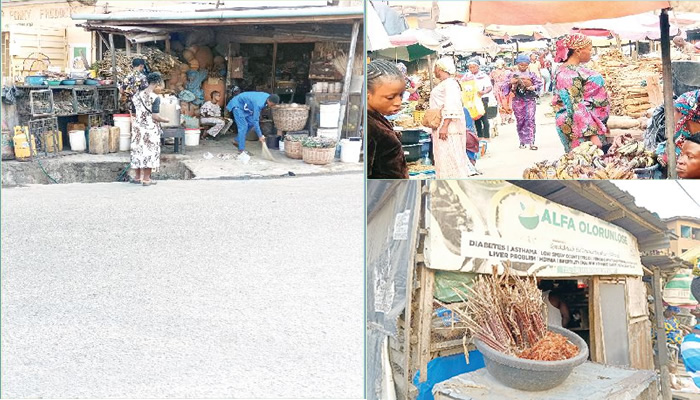
Rising Drug Costs Drive Nigerians Towards Risky Herbal Remedies

Rising Drug Costs Drive Nigerians Towards Risky Herbal Remedies
Fatigued from navigating numerous pharmacies, Mrs. Precious Mark, a resident of Port Harcourt, Rivers State, found herself grappling with soaring prices for the foreign anti-malaria tablets her family had relied on for years. The medication’s cost had doubled from N9,000 to N18,000, compelling her to consider a cheaper herbal mixture her husband had previously purchased……….CONTINUE READING
Expressing her frustration on Facebook, Mark shared her experience, revealing her initial skepticism about the herbal concoction. However, after reluctantly trying it, she was surprised to see her typhoid disappear within three days. Her endorsement led her to advocate for the “inexpensive yet highly effective” herbal medicine, priced at just N1,500, capable of addressing typhoid, malaria, and infections.
Mark’s story is emblematic of a broader trend, as other Nigerians, faced with exorbitant drug prices, turn to herbal alternatives and, in some cases, become advocates for these “all-in-one cure medications.”
The situation has become increasingly dire, with orthodox drug prices skyrocketing by over 900% since the second quarter of the previous year. This surge is attributed to factors such as the fuel subsidy removal, the Central Bank of Nigeria’s decision to allow the free float of the naira, leading to its depreciation, and the exit of the British pharmaceutical giant GlaxoSmithKline in August 2023.
Rising prices and a depreciating naira have strained patients managing chronic conditions, making essential medications unaffordable. Recent data analysis from the International Trade Centre indicates that pharmaceutical product import prices may exceed N900 billion due to naira depreciation. As the naira continues to fall, drug prices are expected to rise further in the coming weeks and months.
Nigeria primarily imports pharmaceutical products from countries such as India, China, and Belgium. Producers within the country lament the impact of rising production costs, naira depreciation, and difficulties in accessing foreign exchange at official market rates on drug prices.
In response to the escalating costs, some Nigerians are turning to herbal medications, leading to a 30% increase in the adoption of cheaper alternatives. Internal medicine specialists report a rise in patients with noncommunicable diseases arriving in emergency units with life-threatening conditions. Factors such as disinformation, lack of faith in orthodox medicines, and financial constraints are influencing Nigerians to seek herbal remedies.
Despite advocacy for increased health sector funding, the 2024 budget allocates less than five percent to health. As of 2016, only 4.2% of Nigerians were covered by the National Health Insurance Scheme, predominantly comprising Federal Government civil servants and their dependents.
The economic situation has also affected the herbal medicine market, resulting in a slight increase in product prices. However, herbal sellers report increased demand for herbs used to treat conditions like hypertension. Mrs. Ramota Ishola, a herbs seller in Mushin market, attributes the rise in herb prices to increased transportation, labor, and packaging costs. Nonetheless, she affirms that herbal remedies remain a cost-effective alternative compared to orthodox drugs, attracting more patrons seeking relief from ailments like hypertension, diabetes, and malaria.
For more information join our WhatsApp group by clicking the link here: WhatsApp Group Invite
For inquiries only, contact us at omoikirodahoshiobugie@gmail.com, 08075806790 (WhatsApp only). For paid articles covering content related to shows, music promotion, asylum letters, concerts, politics, advertisement hit up the Whatsapp number 08075806790.
Source: Bushradiogist


Adekunle Gold Speaks Out Amid Death Rumours, Makes Emotional Revelation About His Daughter

He Has To Have More Than Enough — Stella Damasus Sets Strict Financial Standard For Daughter’s Partner

How Is This Roadworthy? — Nigerians Fume Over Shocking State Of Lagos Danfo

I Wouldn’t Have Married Simi If… — Adekunle Gold Reveals Her Genotype, Sparks Reactions

He Must Take Care Of You — Stella Damasus Sparks Buzz With Expectations For Daughter’s Future Husband

THE 18,439-VOTE MISSION WHY WADADA COULD BE TINUBU’S NASARAWA GAME CHANGER

Fake Miracle Exposed! Nollywood Actor Reveals How He Was Paid To Stage One

KWARA IS NOT RIVERS—BUT INJUSTICE HAS NO STATE OF ORIGIN

Tinubu Will Eat Obi Like Biscuits — Okonkwo Reveals Only Way To Defeat President
