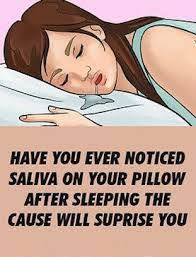
Decoding The Presence Of Saliva On Your Pillow What You Need To Understand
Discovering saliva stains on your pillow after waking up can be a puzzling and concerning experience. While it may seem unusual or alarming, there are several reasons why saliva may end up on your pillow during sleep. Understanding the potential causes and implications of this phenomenon can help alleviate worries and guide appropriate actions if necessary….READ ALSOEasy Ways To Heal Cracked Lips
1. Normal Salivation During Sleep:
It’s essential to recognize that saliva production is a natural bodily function that continues even during sleep. While awake, we swallow saliva regularly to prevent it from accumulating in the mouth. However, during sleep, swallowing frequency decreases, leading to a buildup of saliva that may occasionally escape the mouth and onto the pillow.
2. Sleeping Position:
The position in which you sleep can significantly influence saliva retention and potential leakage. Sleeping on your side or stomach, particularly with your head tilted downward, may increase the likelihood of saliva escaping from the mouth and onto the pillow. Gravity can play a role in this process, especially if you produce excess saliva or have difficulty controlling it during sleep.
3. Breathing Patterns:
Individuals who breathe through their mouth while sleeping, due to nasal congestion, allergies, or other respiratory issues, are more prone to saliva accumulation and drooling. Mouth breathing can lead to a drier mouth and decreased saliva swallowing, increasing the likelihood of saliva pooling and staining the pillow.
4. Medical Conditions:
In some cases, excessive salivation during sleep, known as nocturnal sialorrhea or hypersalivation, may be attributed to underlying medical conditions. These conditions may include gastroesophageal reflux disease (GERD), obstructive sleep apnea, neurological disorders (such as Parkinson’s disease or stroke), or certain medications. If you consistently experience excessive saliva production or drooling during sleep, consulting a healthcare professional for evaluation and management is advisable.
5. Remedial Measures:
If finding saliva on your pillow is an occasional occurrence and not associated with any discomfort or underlying medical issues, there’s typically no cause for concern. However, you may consider implementing practical strategies to mitigate saliva leakage and protect your bedding, such as using a specialized pillowcase designed for moisture absorption or placing a towel or absorbent cloth beneath your head while sleeping.
6. Seeking Medical Advice:
If you’re experiencing persistent or bothersome symptoms, such as excessive saliva production, chronic drooling, or associated health concerns, it’s essential to seek guidance from a healthcare provider. A thorough evaluation can help identify any underlying conditions contributing to the issue and determine appropriate treatment options or interventions.
In conclusion, discovering saliva on your pillow after sleeping is usually a benign and common occurrence, often influenced by factors such as sleeping position, breathing patterns, and natural variations in saliva production. However, if you have concerns about excessive salivation or associated symptoms, consulting a healthcare professional can provide reassurance and guidance tailored to your individual needs.