Exploring The Health Benefits And Various Ways To Consume Moringa
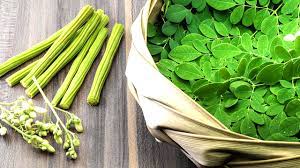
Moringa oleifera, also known as the “miracle tree” or “drumstick tree,” is a nutrient-rich plant native to parts of Africa and Asia. It has gained popularity in recent years due to its numerous health benefits and versatile uses. From its leaves to its seeds and even its roots, every part of the moringa tree offers unique health-promoting properties. Let’s delve into the benefits and different ways to consume moringa:…READ ALSOFive Health Benefits Of Moringa Leaf Tea
- Nutrient-Rich Superfood: Moringa leaves are packed with essential vitamins, minerals, and antioxidants, making them a nutrient-rich superfood. They are particularly high in vitamin C, vitamin A, vitamin K, iron, calcium, potassium, and protein. Incorporating moringa leaves into your diet can help boost your immune system, support bone health, and promote overall well-being.
- Powerful Antioxidant Properties: Moringa leaves contain potent antioxidants such as quercetin, chlorogenic acid, and beta-carotene, which help protect the body against oxidative stress and inflammation. These antioxidants neutralize free radicals, reduce inflammation, and may help lower the risk of chronic diseases such as heart disease, diabetes, and cancer.
- Anti-Inflammatory Effects: Moringa leaves have been shown to possess anti-inflammatory properties, thanks to compounds such as isothiocyanates and flavonoids. Consuming moringa regularly may help reduce inflammation in the body, alleviate symptoms of inflammatory conditions such as arthritis, and promote overall joint health.
- Supports Blood Sugar Control: Some studies suggest that moringa leaves may help regulate blood sugar levels and improve insulin sensitivity, making it beneficial for individuals with diabetes or pre-diabetes. Moringa contains compounds that help stimulate insulin secretion, enhance glucose uptake by cells, and inhibit sugar absorption in the intestines.
- Promotes Digestive Health: Moringa leaves are rich in fiber, which supports digestive health by promoting regular bowel movements, preventing constipation, and supporting a healthy gut microbiome. Additionally, moringa leaves contain compounds that have been shown to possess antimicrobial properties, helping protect against harmful bacteria and parasites in the digestive tract.
Now, let’s explore various ways to consume moringa:
- Moringa Powder: Moringa leaves can be dried and ground into a fine powder, which can be easily incorporated into smoothies, juices, yogurt, or oatmeal. Moringa powder is a convenient and versatile way to enjoy the health benefits of moringa on a daily basis.
- Moringa Tea: Dried moringa leaves can be steeped in hot water to make a nutritious and refreshing tea. Moringa tea can be enjoyed on its own or mixed with other herbal teas for added flavor and benefits.
- Moringa Capsules: For those who prefer a more convenient option, moringa supplements are available in capsule form. These capsules contain powdered moringa leaves in a concentrated form, allowing for easy consumption and precise dosing.
- Fresh Moringa Leaves: If you have access to fresh moringa leaves, you can use them in cooking or salads, similar to spinach or kale. Fresh moringa leaves have a slightly bitter taste and can add a nutritious boost to your meals.
In conclusion, moringa is a nutrient-rich superfood that offers numerous health benefits, from boosting immunity to supporting digestive health and promoting blood sugar control. Whether consumed as a powder, tea, capsules, or fresh leaves, incorporating moringa into your daily diet can be a simple and effective way to enhance your overall well-being. However, it’s essential to consult with a healthcare professional before adding moringa to your routine, especially if you have existing health conditions or are taking medications.