APC Ole!” – Minority Lawmakers Stage Dramatic Walkout Over Electoral Act Amendment
 Follow us on Google News
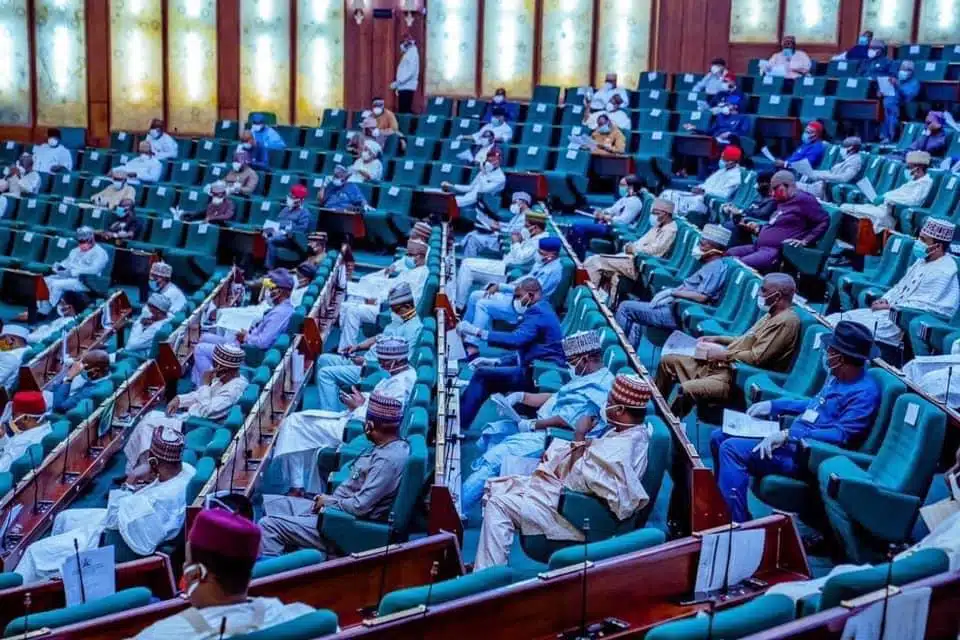
Opposition members of the House of Representatives on Tuesday staged a walkout from the Green Chamber in protest against a newly adopted clause in the amended Electoral Act.
Led by Minority Leader Kingsley Chinda, the lawmakers condemned the provision, labeling it anti-people.
Earlier, the House had approved a measure allowing both real-time electronic transmission and manual transmission of election results as part of deliberations on the Electoral Act Amendment Bill 2025, ahead of the 2027 general elections. The decision followed heated debates during plenary.
However, the opposition caucus strongly objected, accusing the ruling All Progressives Congress (APC) of manipulating the legislative process and attempting to impose manual transmission on Nigerians.
In protest, the lawmakers, led by Chinda, exited the chamber while chanting “APC ole” — a Yoruba phrase meaning “APC thief.”
After leaving the plenary session, the minority members proceeded to the House of Representatives Media Centre to brief journalists.
Speaking to reporters, Chinda said the caucus could not endorse any provision that, in their view, creates room for electoral manipulation. He maintained that election results should be transmitted electronically without ambiguity and opposed any clause that could allow what he described as micro-manipulation or rigging.
He further explained that the minority’s position was that in cases where discrepancies arise between manually collated Form EC8A results and electronically transmitted results, the electronic version should take precedence. According to him, this proposal was rejected by the majority, which he alleged acted along party lines rather than in the national interest.
Chinda clarified that the walkout was a deliberate step to formally register their dissent before the public, describing Nigerians as the “court of public opinion.”
Addressing Clause 84 of the bill, which concerns party primaries and candidate selection, the Minority Leader insisted that political parties should retain full autonomy over how they choose their candidates.
He argued that the method of selecting candidates — whether through direct primaries, indirect primaries, or consensus — should remain an internal matter for each party, warning that imposing a specific approach would amount to undue interference in party affairs.