Finance Minister Nicola Willis said on Tuesday that around 143,000 families already receiving the working families tax credit will get an additional NZ$50 (about $29) per week. However, households on welfare benefits will not be included in the increase.
She explained that families with lower and middle incomes are the most affected by the global economic shock, as they have limited ability to absorb rising fuel and living costs.
According to her, this marks the government’s first major fiscal response to the ongoing conflict affecting global energy markets.
In addition, about 14,000 more households will qualify for a reduced rate of the credit under the updated scheme.
The enhanced payments will begin on April 7 and may last for up to one year. The programme could also end earlier if the average price of regular petrol in New Zealand falls below NZ$3 per litre for four consecutive weeks, the minister added.
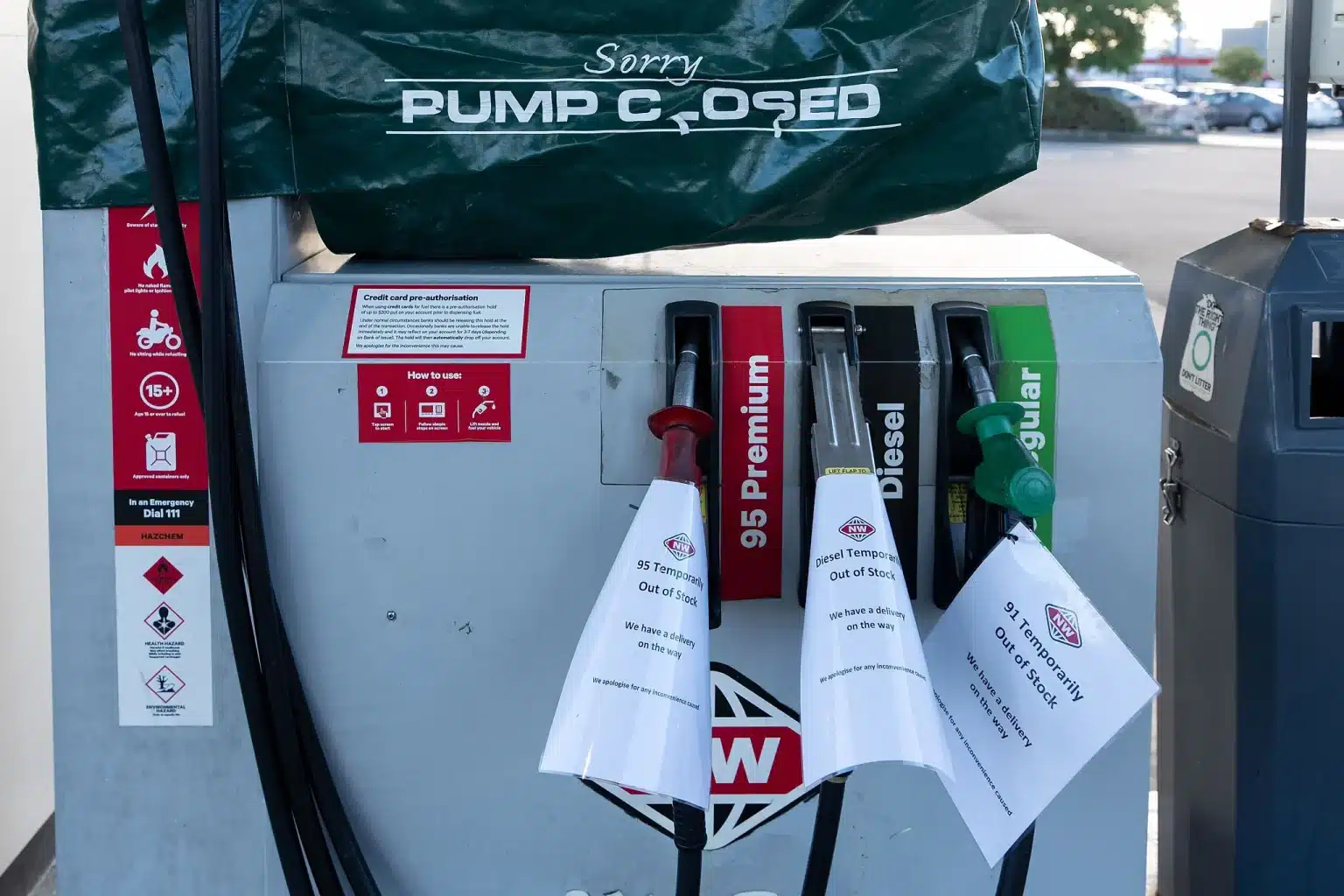
The policy comes as global oil supplies face disruption following tensions in the Middle East, including reduced flow through key shipping routes that handle a significant share of global oil and gas exports. The disruption has contributed to a worldwide rise in energy prices.
New Zealand joins other countries introducing measures to shield citizens from the economic impact of higher fuel and inflation pressures linked to the crisis.
The ongoing conflict involving Iran, the United States, and Israel—reported to have begun on February 28—has resulted in significant casualties and continues to impact global markets and energy stability.

 Follow us on Google News