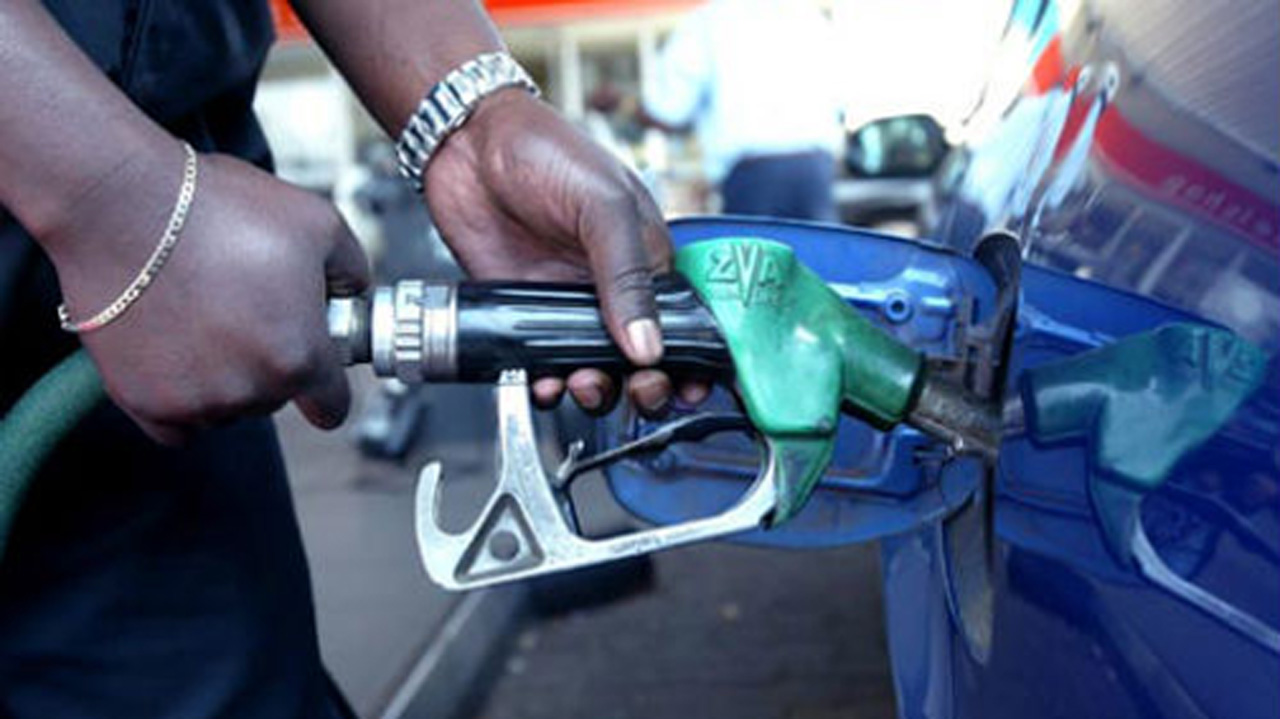
This marks a rise from the ₦1,034.76 recorded in January, according to the bureau’s Petrol Price Watch released on Friday in Abuja. The NBS stated that the February figure reflects a 1.62 per cent month-on-month increase.
However, despite the monthly uptick, petrol prices showed a decline when compared to the same period last year. The report indicated that the ₦1,051.47 average price represents a 15.60 per cent drop from ₦1,245.80 recorded in February 2025.
A breakdown of prices across states revealed notable disparities nationwide. Yobe recorded the highest average retail price at ₦1,134.73 per litre, followed by Sokoto at ₦1,116.81 and Akwa Ibom at ₦1,109.44. In contrast, Lagos had the lowest average price at ₦966.61 per litre, with Oyo and Kaduna recording ₦973.45 and ₦1,000.07 respectively.
Regionally, the North-East posted the highest average petrol price at ₦1,084.41 per litre, while the South-West recorded the lowest at ₦1,023.89, highlighting uneven fuel pricing across the country.
In a related update, the NBS revealed that the average price of diesel rose by 4.30 per cent month-on-month, increasing from ₦1,361.57 in January to ₦1,420.17 per litre in February 2026. Despite this rise, diesel prices declined by 5.39 per cent year-on-year, down from ₦1,501.05 in February 2025.
Lagos recorded the highest diesel price at ₦1,625.11 per litre, followed by Borno at ₦1,616.25 and Akwa Ibom at ₦1,587.19. Ogun State had the lowest price at ₦1,183.31, with Kogi and Anambra following at ₦1,220.00 and ₦1,256.76 respectively.
Zonal analysis showed the North-East as having the highest average diesel price at ₦1,496.49 per litre, while the North-Central recorded the lowest at ₦1,382.17 per litre. The report highlights ongoing fluctuations in Nigeria’s fuel market, with modest monthly increases but overall year-on-year declines.

 Follow us on Google News