Their position follows clarification from Taiwo Oyedele, Chairman of the Presidential Fiscal Policy and Tax Reforms Committee, who noted that VAT is already exempt on land, buildings, and rent under the current tax framework. The clarification addressed reports suggesting that the reform imposed a 25% tax on building materials, which Oyedele dismissed, reiterating that the policy aims to reduce the burden of high rents on Nigerians.
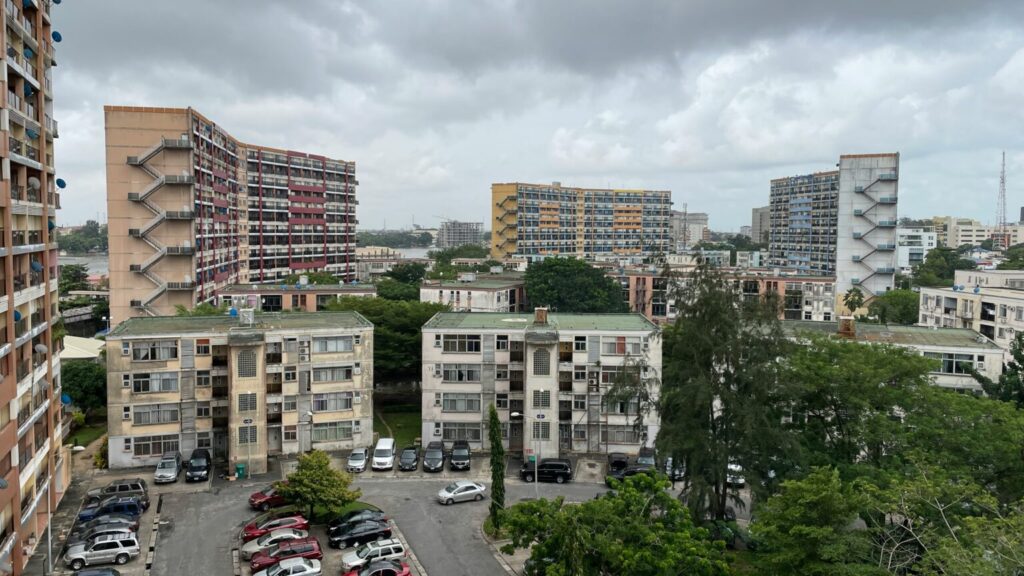
Despite this, property experts maintain that the true causes of skyrocketing rents lie in escalating construction costs and limited access to housing finance. Public frustration has grown as rental prices surge across major cities including Abuja, Lagos, Kano, Enugu, and Port Harcourt.
In Abuja, for example, annual rent for a one-bedroom apartment has more than doubled, now ranging from ₦1.5 million to ₦2 million in areas like Dawaki, Jabi, Jahi, Kubwa, Dutse, and Nyanya, compared to previous rates of ₦500,000 to ₦1 million. In many instances, yearly rent exceeds the annual earnings of workers earning Nigeria’s ₦70,000 minimum wage.
Aliyu Wamakko, a former president of the Real Estate Developers Association of Nigeria, emphasized that attention should shift from VAT to the rising price of building materials, particularly cement. He highlighted that a 50-kilogram bag of cement now costs over ₦10,700 at the factory, and increased demand for construction drives prices even higher, directly impacting housing costs. Wamakko noted Nigeria faces a housing deficit of more than 14.9 million units, especially in Abuja, Lagos, Kano, and Port Harcourt, and argued that reducing cement prices is essential for any real relief in the housing sector.
Hakeem Suleiman, President of the Association of Abuja Tenants, attributed the worsening rent situation to weak regulatory oversight and the lack of accessible mortgage systems for average Nigerians. He noted that rents often double arbitrarily without improvements to properties, calling for effective government intervention and mortgage schemes to help tenants transition to homeownership.
Meanwhile, National Bureau of Statistics (NBS) data shows that while Nigeria’s inflation rate fell to 15.10% in January 2026, the cost of living remains high. Rising construction costs, housing deficits, and poor access to financing continue to push rents beyond the reach of ordinary Nigerians, leaving the country’s housing crisis unresolved despite fiscal reforms.

 Follow us on Google News