Iran Sets Tough Terms: Three Demands Issued To End War With U.S. And Israel 🌍🔥
 Follow us on Google News
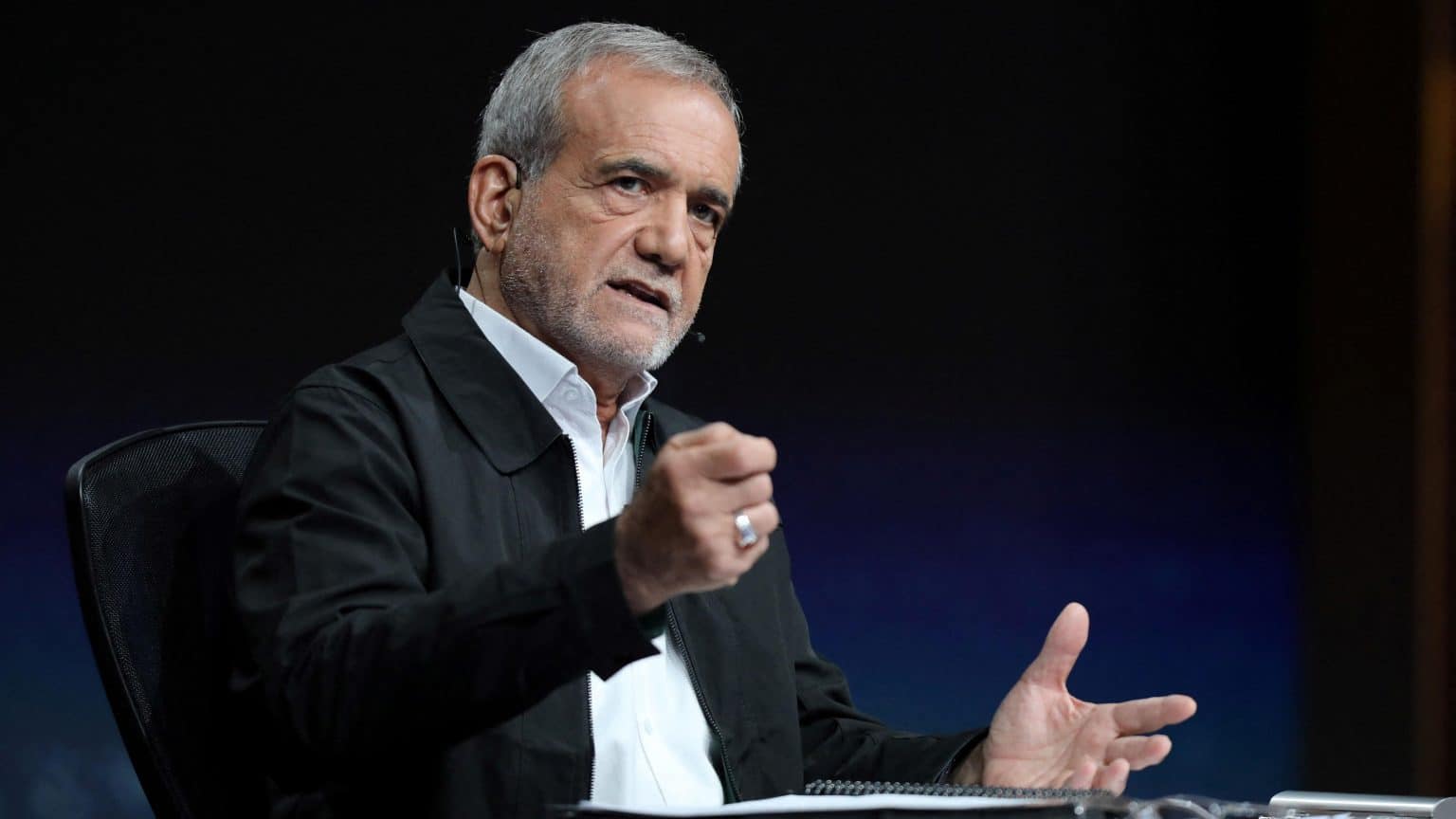
Masoud Pezeshkian has outlined three key conditions that must be met for Iran to end the ongoing conflict involving the United States and Israel.
Pezeshkian revealed the demands in a post shared on X on Wednesday.
According to the Iranian president, one of the main conditions is that the United States must compensate Iran for the damages caused during the war. He also insisted that Iran’s legitimate rights must be acknowledged and that strong international guarantees must be provided to prevent any future attacks on the country.
In his post, Pezeshkian said he reiterated Iran’s position while speaking with leaders of Russia and Pakistan, stressing that Tehran remains committed to achieving peace in the region.
He stated that the war, which he said was triggered by the United States and Israel, could only end if Iran’s rights are recognised, reparations are paid, and binding international assurances are provided to stop further aggression.
Reports indicate that the conflict has already claimed over 1,300 lives in Iran since it began about 12 days ago following airstrikes carried out by the United States and Israel.
Iran’s retaliatory attacks have also resulted in casualties, including eight American soldiers and at least 12 people in Israel.
Among those reportedly killed during the strikes were Iran’s former Supreme Leader, Ali Khamenei, as well as more than 160 schoolgirls who died when a missile hit their school.
According to reports cited by The New York Times, a U.S. military investigation confirmed that the strike on the school was carried out by American forces.
Despite claims from Washington that a large portion of Iran’s air force, naval assets, and missile systems have been destroyed, Tehran continues to launch missiles and drones targeting Israel and U.S.-linked facilities across the Middle East.
Iran has also reportedly shut down the Strait of Hormuz, a vital global shipping route responsible for transporting roughly 20 percent of the world’s oil supply.
The closure has contributed to rising global fuel prices, with countries such as Nigeria already witnessing increases in petrol costs due to disruptions in international oil supply chains. ⛽🌍