Political Shake-Up In Kano State As Governor Moves To Scrap Ministry Of Higher Education
 Follow us on Google News
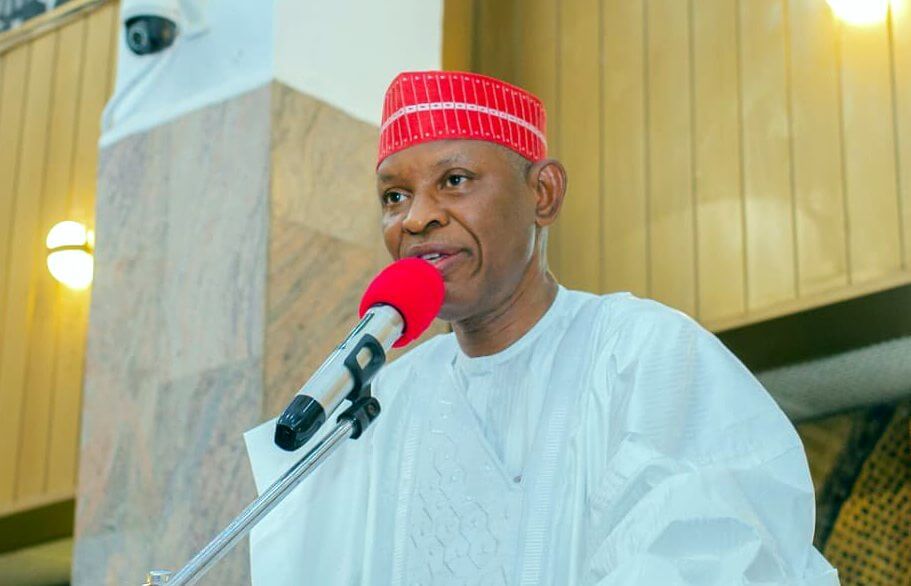
The Governor of Kano State, Abba Yusuf, has abolished the Ministry of Higher Education, which was formerly supervised by the Deputy Governor, Aminu Gwarzo.
The ministry has now been merged with the Ministry of Education as part of ongoing reforms aimed at strengthening coordination and improving efficiency within the state’s education system.
The decision was made public on Sunday in a statement issued by the governor’s spokesperson, Sunusi Dawakin-Tofa.
According to the statement, a Directorate of Higher Education has been created under the Ministry of Education to supervise tertiary institutions across the state. The new structure will function within the expanded ministry, with a Permanent Secretary overseeing higher education matters.
The statement further explained that agencies previously operating under the dissolved ministry, including the state scholarship board, will now report directly to the merged ministry.
Governor Yusuf stated that the restructuring forms part of broader efforts to eliminate duplication of duties, cut governance costs, and improve accountability in public service delivery.
He added that the reform is intended to enhance efficiency and raise the overall standard of education administration in the state.
The development comes at a time of heightened political tension in Kano State, following allegations of money laundering reportedly raised against the deputy governor by the Kano State House of Assembly.
The situation has also been linked to Yusuf’s recent political realignment after moving from the New Nigeria Peoples Party to the All Progressives Congress, a shift that has triggered new political dynamics within the state.
Reports indicate that the deputy governor, along with five commissioners, declined to defect with the governor and instead reaffirmed their loyalty to the national leader of the NNPP, Rabiu Kwankwaso.
The commissioners said to have resigned include Mustapha Rabiu Kwankwaso (Youth and Sports Development), Ibrahim Umar (Internal Security and Special Services), Nasiru Sule Garo (Special Duties), Abdullahi Sani Makoda (Higher Education), and Lamin Sani Zawiya (Religious Affairs).
Meanwhile, political tensions escalated further when the state assembly initiated impeachment proceedings against the deputy governor.
The impeachment notice, presented by Majority Leader Lawan Dala and read during plenary by Speaker Ismail Falgore, cited allegations of misconduct, abuse of office, and breach of public trust.
Lawmakers also accused the deputy governor of financial impropriety and misconduct during his time as commissioner for local government.
A total of 38 members reportedly signed the impeachment notice, and the Speaker directed that the deputy governor be formally served in accordance with constitutional provisions.