Sh*ck Move: Trump Orders Sea Blockade As Iran Nuclear Tensions Explode
 Follow us on Google News
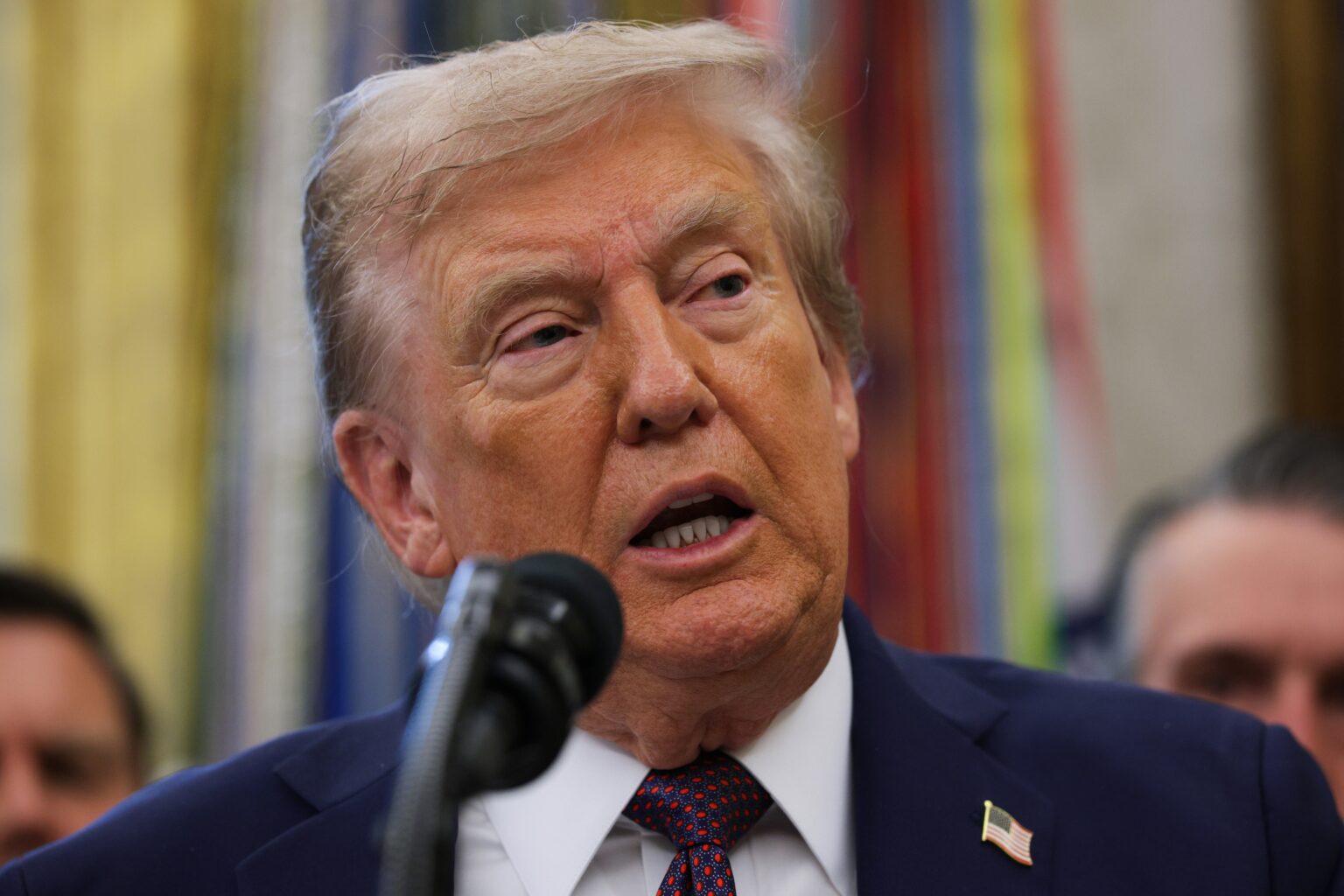
The United States military has announced plans to begin a blockade of Iranian ports on Monday, following the collapse of high-level negotiations between Washington and Tehran held in Pakistan.
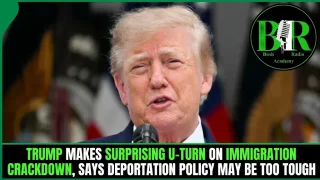
The move represents a major escalation in tensions, with U.S. President Donald Trump blaming Iran’s refusal to abandon its nuclear programme for the breakdown of the talks.
Trump stated on social media that the United States would enforce restrictions around the strategic Strait of Hormuz, a key global shipping route, after Vice President JD Vance withdrew from discussions with Iranian officials in Islamabad on Sunday.
The failed negotiations have further dimmed hopes of ending the ongoing conflict, which has reportedly caused widespread casualties and disrupted global economic stability since it began in late February.
Pakistan, which hosted and facilitated the talks, has pledged to continue supporting diplomatic engagement, while urging both sides to respect the fragile two-week ceasefire agreed earlier.
However, analysts warned that the proposed maritime restrictions could undermine the truce and heighten regional instability.
US outlines blockade plan
The U.S. Central Command said the blockade would take effect at 1400 GMT on Monday.
According to the statement, the restriction would apply to vessels entering or leaving Iranian ports across the Arabian Gulf and the Gulf of Oman, and would be enforced without discrimination.
It clarified that ships transiting the Strait of Hormuz to non-Iranian destinations would not be obstructed.
Trump, confirming the move via his Truth Social platform, adopted a hardline stance.
He said the U.S. Navy would begin blocking any vessels attempting to enter or exit the Strait of Hormuz and warned of severe consequences for any attacks on American or civilian ships.
Iran rejects threat
Iran swiftly rejected the announcement, calling it unacceptable and provocative.
The Speaker of Iran’s parliament, Mohammad Bagher Ghalibaf, said the country would not yield to pressure, while naval officials dismissed the blockade threat as unrealistic.
Iran’s Revolutionary Guards also claimed they retain full control over maritime traffic in the Strait of Hormuz, warning they could respond decisively to any hostile action.
Foreign Minister Abbas Araghchi accused Washington of undermining negotiations, saying shifting demands and escalating pressure contributed to the collapse of talks that were reportedly close to agreement.
Oil markets react
Global oil prices surged sharply in response to the developments, rising by about eight per cent as fears of supply disruption intensified.
Brent crude and West Texas Intermediate (WTI) both climbed above $100 per barrel, reversing recent declines linked to the temporary ceasefire.
Strategic waterway at centre of crisis
The Strait of Hormuz, a critical route for global oil and gas shipments, has become the focal point of the escalating confrontation.
While the U.S. said it would not interfere with vessels linked to non-Iranian ports, Tehran has already imposed selective restrictions on maritime passage.
Reports also indicated that some oil tankers flagged under Pakistan reportedly turned back from the strait amid rising tensions.
Security concerns increased further after claims that U.S. naval vessels were deployed for mine-clearing operations—an allegation Iran denied.
Experts warned that a full blockade could have far-reaching consequences, potentially escalating into a broader conflict.
Diplomacy stalls amid rising tensions
The U.S. delegation in Islamabad, which included Vice President JD Vance, special envoy Steve Witkoff, and Jared Kushner, reportedly left frustrated after Iran insisted on maintaining its nuclear programme.
Trump reiterated that Iran would never be allowed to develop nuclear weapons and suggested he was unconcerned about the continuation of talks.
Wider regional tensions
Beyond the Gulf, hostilities continue in Lebanon, where efforts to maintain a ceasefire remain fragile.
Lebanese authorities say diplomatic efforts are ongoing, while Israel insists military operations will continue.
Hezbollah has also intensified rocket attacks into northern Israel, further escalating regional tensions.
With diplomacy faltering and military activity increasing, fears are growing of a wider regional war.