
Latest
Truth Uncovered: Expert Says Nigeria’s ‘Cheap Fuel’ Narrative Is False

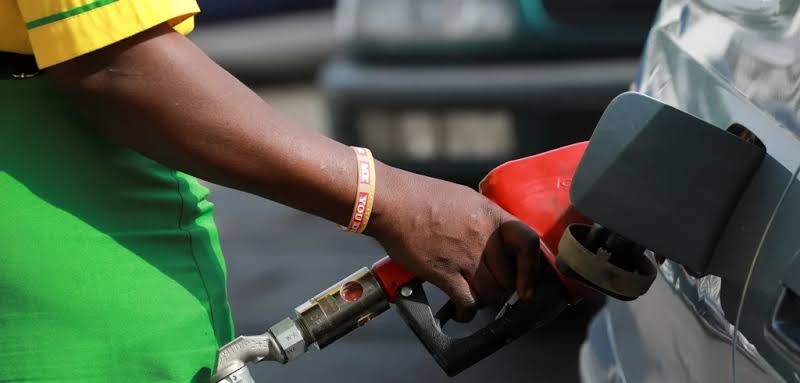
An economist and former Senior Special Adviser on Industrialisation at the African Development Bank, Banji Oyelaran-Oyeyinka, has challenged claims that petrol is cheap in Nigeria, describing such assertions as misleading and rooted in what he called a “fallacy of one-price comparison.”....KINDLY READ THE FULL STORY HERE▶
In a statement issued on Saturday, he argued that focusing only on the nominal cost of fuel without factoring in purchasing power presents a distorted view of the economy. He noted that the global economy is currently facing major disruptions, citing massive financial losses and broader economic shocks affecting multiple countries.
Oyelaran-Oyeyinka dismissed suggestions that Nigerians are insulated from global economic pressures simply because fuel prices appear relatively low. While petrol may cost between $1.4 and $1.8 per litre in parts of West Africa, he stressed that lower prices do not necessarily mean affordability.
According to him, true affordability should be measured by purchasing power—specifically how long it takes workers to earn income. He explained that a Nigerian minimum-wage earner would need several hours of work to earn just $2, compared to only minutes in countries like the United States and the United Kingdom.
He described direct price comparisons across countries as fundamentally flawed, noting that they ignore key factors such as income levels, labour productivity, and economic structure. Nigeria’s low wages, high inflation, and weak purchasing power, he said, make citizens more vulnerable to global economic shocks.
The economist further highlighted that petrol affordability should be assessed relative to income, not just price per litre. Despite appearing cheaper on paper, fuel is effectively more expensive for Nigerians due to limited earnings and a low-productivity economy.
He added that many Nigerians operate at subsistence levels, making petrol more of a luxury than a basic commodity. He also pointed to structural challenges such as poor infrastructure and limited industrial capacity as factors worsening economic vulnerability.
Oyelaran-Oyeyinka concluded that evaluating petrol prices through simple currency conversion creates a false impression. He maintained that until Nigeria achieves deeper economic transformation and improved productivity, claims of cheap petrol will remain misleading.



Super Eagles Crisis? Akor Adams Demands Immediate Team Overhaul After Setbacks

Mbappé Sparks Real Madrid Manager Rumours With Mysterious Social Media Activity

Breaking: El-Rufai’s Bail Bid Thrown Out Amid Serious Corruption Allegations

Breaking: Tinubu Moves To Secure Senate Backing for $516m Borrowing Plan

Breaking: Tinubu Rejects Senators’ Demand for Automatic Return Tickets

Breaking: Federal Government Of Nigeria Bans Cement Importation, Releases Full List Of Restricted Goods

Breaking: Complete List Of Charges Filed Against Timipre Sylva And Alleged Coup Network Exposed

Supreme Court Shocks Kano Emirate Case, Adjourns Hearing Till 2027

Bold Warning From PDP Chieftain As Bode George Advises Tinubu To Avoid Sycophants
