
Politics
7 Early Signs of HIV You Can’t Ignore: What Happens Weeks After Infection?

7 Early Signs of HIV You Can’t Ignore: What Happens Weeks After Infection?
Written By Oshiobugie John- HIV (Human Immunodeficiency Virus) can show signs just weeks after being infected, but many people miss them, assuming they are symptoms of the flu or other common illnesses. Being aware of these early indicators is crucial because catching HIV in its first stage, known as acute HIV infection, can significantly impact your health and treatment options.....KINDLY READ THE FULL STORY HERE▶
Here are seven early signs of HIV to watch out for within weeks of being infected:
1. Fever
One of the first signs of HIV infection is a low-grade fever, usually between 99°F and 101°F. This is your body’s natural response to the virus as it spreads through your bloodstream. The fever is often accompanied by other mild symptoms such as fatigue or swollen lymph nodes.
2. Fatigue
HIV can cause extreme tiredness and a general sense of weakness. This fatigue happens because your body is working overtime to fight the virus. You may feel unusually exhausted even after getting plenty of rest or sleep, which can last for weeks.
3. Swollen Lymph Nodes
Lymph nodes, found in areas like the neck, groin, and armpits, are part of the immune system, and they swell when your body is fighting infections. After HIV infection, these nodes often become enlarged as your immune system reacts to the virus.
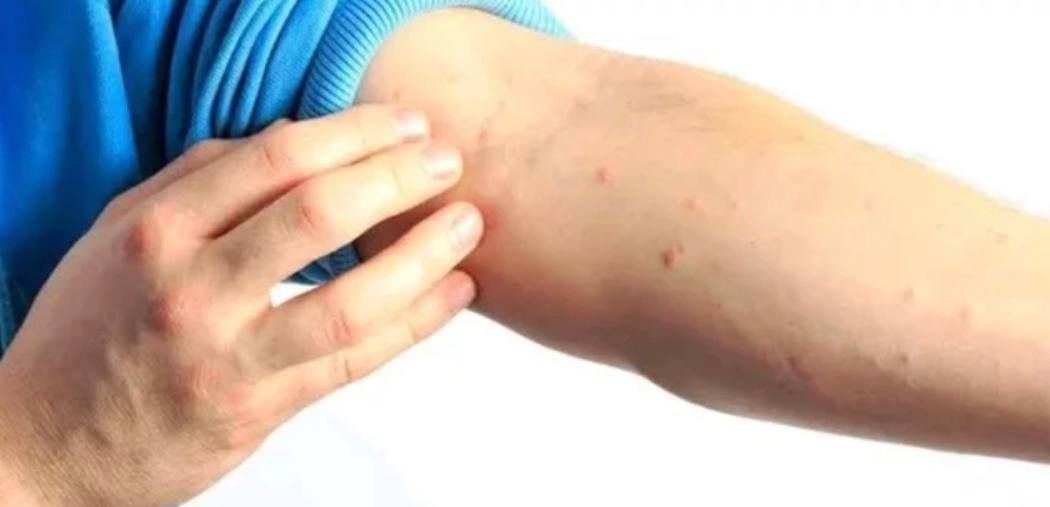
4. Rash
Rashes are a common early symptom of HIV. These can appear anywhere on the body, including your face, chest, or arms. The rash is usually red, flat, and sometimes itchy. While it might be mistaken for an allergic reaction, if it persists and is accompanied by other symptoms, it’s worth checking out.
5. Night Sweats
Night sweats are intense and can drench your sheets even if the room isn’t hot. This occurs because your body is trying to regulate its temperature while fighting off the infection. If you experience these unexplained night sweats in combination with other symptoms, it may be an early sign of HIV.
6. Sore Throat and Headache
A sore throat that lingers, along with persistent headaches, can be an indicator of acute HIV infection. These symptoms are often confused with common illnesses, but when combined with other early signs, they could signal something more serious.
7. Muscle and Joint Pain
Many people in the early stages of HIV report muscle and joint pain similar to the aches experienced during the flu. This occurs because HIV triggers an inflammatory response in your body. If these aches persist and are accompanied by other signs, it’s important to consult a healthcare provider.
Why You Should Pay Attention to These Early Signs
The first stage of HIV infection, called acute or primary HIV infection, can occur two to four weeks after exposure to the virus. These early symptoms might last for just a few days or a few weeks, and many people mistake them for other viral infections like the flu. However, identifying them early is critical for early diagnosis and treatment, which can greatly improve the long-term outlook.
If you experience any of these symptoms, especially if you believe you’ve been exposed to HIV, it’s important to get tested as soon as possible. Early detection allows for timely intervention, reducing the risk of the virus progressing to AIDS and improving the quality of life with antiretroviral treatments.
Don’t ignore these signs—early action could save your life.


Terror Funding Allegations: Federal Government Reacts To US Blacklisting Of Nigerians

Senate Drama: Lawmakers Bar Gbajabiamila, Governors And Ministers From Chamber

No Mercy For Terror Convicts: Court Sentences Three To Death In DSS-Prosecuted Case

Viral Video Fuels Speculation After Spence Appears To Blank Partey

PDP’s Big Reveal: Jonathan Leads The Charge as 21 Governorship Candidates Get Certificates

Sh*cking Police Shake-Up As Oyigbo DPO Is Removed Over ₦500,000 Bribery Allegation

Dollar To Naira Sh*ck: Fresh Exchange Rate Revealed For June 21, 2026

Etinosa Reacts To Viral Concerns About Her Neck Size, Says She Is Healthy

Sh*ck And Outrage As Retired Generals React To Death If Gen. Abubakar In Bandit Camp
