
Politics
ECOWAS Abandons Plans For Single Currency, ECO

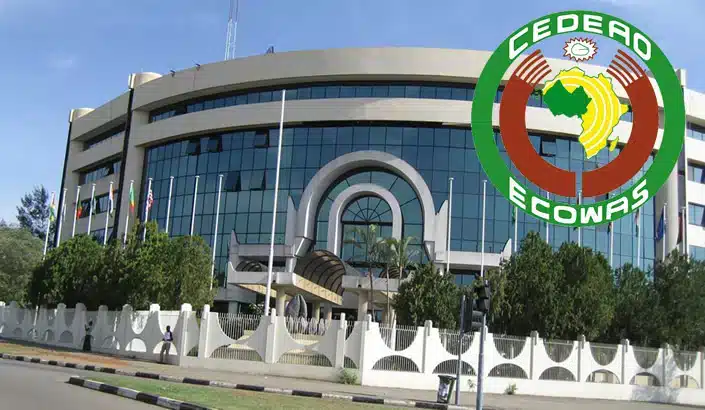
ECOWAS Abandons Plans For Single Currency, ECO
The Economic Community of West African States (ECOWAS) is reportedly abandoning its long-standing plan to introduce a single currency, the ECO, after years of struggling to implement the initiative. This decision was revealed by Senator Edwin Melvin Snowe Junior, Co-chair of the ECOWAS joint committees on Social Affairs, Gender and Women Empowerment, Legal Affairs and Human Rights, Political Affairs, Peace, Security, and the African Peer Review Mechanism (APRM), during an interview with *Daily Trust* in Banjul, Gambia, over the weekend……CONTINUE READING
The ECO, proposed in the late 1990s and gaining momentum in 2000 with the establishment of the West African Monetary Zone (WAMZ), was intended to drive economic growth and integration among the 15 ECOWAS member states. The currency aimed to simplify transactions, eliminate currency exchange barriers, and foster a more unified and prosperous West African region.
However, despite these ambitious goals, the initiative has faced numerous setbacks, primarily due to political challenges within member states. Senator Snowe Junior emphasized that political issues have been a major obstacle to the ECO’s realization.
“The single currency is a work in progress with significant political implications. There have been numerous political situations that need to be addressed. It’s not a matter of lacking good economists or analysts; it’s the political dynamics that have posed challenges. The English-speaking zone has encountered fewer issues, but integrating the French CFA, with its reserve in France and the BCEAO as a federal bank for Francophone countries, complicates the currency integration process,” he explained.
He noted that the recent coups in several member states, where leaders are considering changing their currencies due to their reserves being held in France, have further complicated the initiative. As a result, ECOWAS is now considering a new approach: proposing separate currencies for the Anglophone and Francophone countries in the region as a replacement for the ECO.
“One suggestion is for Nigeria, along with Ghana, Liberia, Gambia, and Sierra Leone—the five English-speaking countries—to adopt a single currency. The Francophone countries could have their own currency, with Guinea-Bissau and Cape Verde choosing to align with either group. Over time, these two currencies could potentially merge into a single currency,” Senator Snowe Junior said.
He acknowledged that political instability in the region has delayed the consideration of this two-currency proposal but assured that the focus would return to the issue once regional security concerns are addressed.
“We have been more focused on restoring stability in the region and resolving security issues. Once these are under control, we can bring the single currency initiative back to the forefront,” he concluded.

Daycare Manager Melts Hearts After Cancelling $90 Late Fee For Exhausted Mother

Drama As Mother Of Four Seeks Food Again After Reuniting With Unemployed Husband

Yahoo Boy Allegedly Poisoned After Showering Girlfriend And Sister With Money

Jarvis Breaks Down Weeks After Wedding, Reveals Emotional Struggles With Husband Peller

Arise TV Ends Interview After Wike’s Aide Refuses Rufai Oseni’s Questions

WHY OKPEBHOLO KNOWS WHAT HE IS SAYING ABOUT TINUBU’S 2.5 MILLION VOTES

Fake Agency Scandal: ICPC Recommends Punishment for 13 Officials — See Full List

Cement Hits ₦15,000: FCCPC Demands Answers From Dangote, BUA, Other Producers

Was The Sacrifice Worth It?” – El-Rufai’s Son Reveals What Father Told Him In Detention
