
Politics
Uncovering The Pain: Real Stories Of Men Hurt By Paternity Fraud

Uncovering The Pain: Real Stories Of Men Hurt By Paternity Fraud
Nigeria is facing a growing crisis as DNA paternity tests reveal alarming rates of deception. Once only whispered about, the shocking reality of paternity fraud is now tearing families apart, with men discovering that children they’ve loved and raised aren’t biologically theirs. The consequences are devastating—emotional betrayals, fractured identities, and families plunged into turmoil. This crisis highlights issues of fidelity, secrecy, and the fragile nature of family bonds……CONTINUE READING
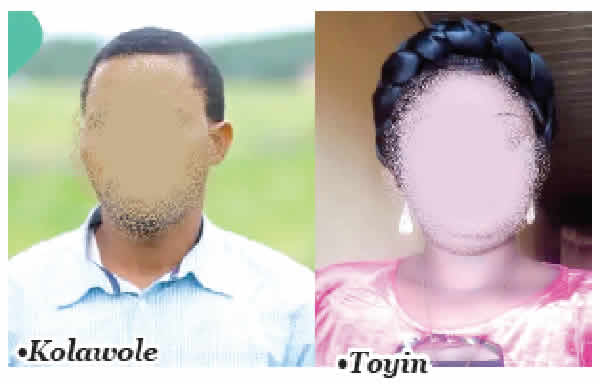
In 2023, Olanrewaju Kolawole’s life changed dramatically when a DNA test revealed that none of the four children he had with his wife, Toyin, were biologically his. The devastating news, shared on Agidigbo 88.7 FM, caused Kolawole to collapse into a seven-day coma. Despite Toyin disputing the results, claiming she wasn’t present when the samples were taken, Kolawole’s world had already unraveled.
Kolawole’s story quickly went viral, captivating audiences in Nigeria and abroad. He shared that their 16-year marriage, which began in 2007, had been troubled for some time. The shock of discovering that all four of his children were not his own led to his collapse. Toyin, in response, claimed she had sought other men because Kolawole couldn’t perform in bed.
Paternity fraud, defined as misrepresenting a child’s biological father, has severe emotional and financial implications. Another case emerged in 2024 when Stephen Moses, a crypto enthusiast, discovered that his first child wasn’t biologically his after a health crisis revealed a sickle cell genotype mismatch. Like Kolawole, Moses turned to a DNA test, which confirmed his worst fears.
The increasing availability of DNA testing in Nigeria is shedding light on more cases like these. A 2024 report from Smart DNA, a Lagos-based testing center, revealed that nearly 27% of paternity tests returned negative results. The surge in DNA tests, both for personal reassurance and immigration purposes, underscores a growing trend of mistrust within families.
Public reactions to these revelations have been intense, with many decrying the widespread deceit. Social media users have expressed shock and outrage, while others highlight the complex reasons behind paternity fraud, including infertility and financial pressures. Religious and traditional leaders have also weighed in, condemning the practice as immoral and urging couples to return to faithfulness.
As DNA testing becomes more common, calls for legal reforms are growing louder. Some advocate for mandatory paternity testing after childbirth to prevent such heart-wrenching discoveries later in life. However, Nigeria’s legal framework currently lacks provisions specifically addressing paternity fraud, leaving victims to seek damages in civil court.
The rise in paternity fraud cases in Nigeria exposes deep-rooted issues of trust and fidelity within relationships, sparking national conversations about the importance of transparency and the devastating consequences of deception.


EFCC Cracks Down On Alleged ₦13.6m Fraud As Man Faces Charges In Ibadan

BREAKING: Gusau Resigns As NFF President Amid DSS Probe

Controversy Deepens As NHRC Moves Against Kuje Chairman Over Alleged ‘Join APC Or Leave’ Statement

Falana Tackles NBA Over VeryDarkMan Invitation, Says Past Conferences Were Not ‘Circus Shows

2027: Malami Issues Emotional Appeal As Political Tensions Rise – ‘We Will Grieve Together

2027: Full List Of Presidential Candidates, Parties That Signed Peace Accord

Jonathan Raises Alarm Over Govs’ Interference In Off-Cycle Elections: ‘This Must Be Stopped

I Accept The Verdict’ — Oyebamiji Finally Speaks After Losing Osun Governorship Race To Adeleke

WHY OKPEBHOLO KNOWS WHAT HE IS SAYING ABOUT TINUBU’S 2.5 MILLION VOTES
