
Kwara 2027: Zoning Tensions Escalate Ahead Of Gubernatorial Election
 Follow us on Google News
Kwara 2027: Zoning Tensions Escalate Ahead Of Gubernatorial Election
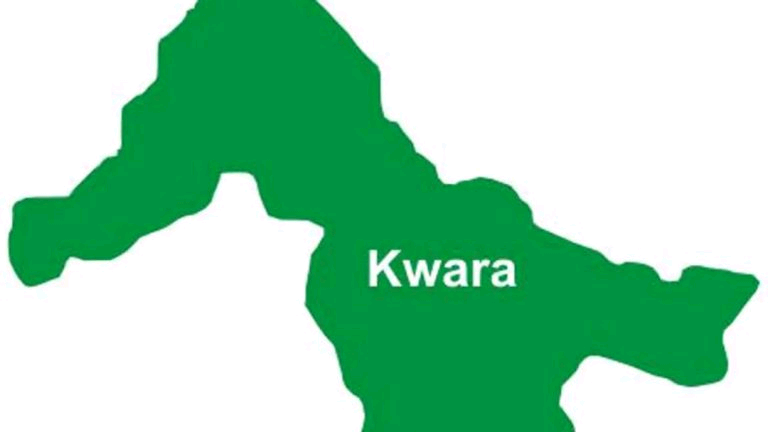
Kwara State, often referred to as the State of Harmony, has unique political dynamics that set it apart from other states in Nigeria. In many parts of the country, the rotation of political power is deemed essential by stakeholders to ensure equity, fairness, and balance. However, this has not been the case in Kwara, particularly concerning gubernatorial elections since the state’s creation in 1967…….CONTINUE READING
### Power Rotation
Kwara State is divided into three senatorial districts: Kwara North, Kwara Central, and Kwara South, with a population of approximately 3.6 million. Kwara Central, which comprises Ilorin West, Ilorin South, Ilorin East, Asa, and Moro local governments, holds about 42% of the state’s population. This political powerhouse has historically dictated key decisions, especially regarding gubernatorial elections.
In 1979, Alhaji Adamu Attah, originally from Okene (now in Kogi State), won the governorship of Kwara State under the National Party of Nigeria (NPN), defeating Chief Josiah Sunday Olawoyin of the Unity Party of Nigeria (UPN). Then in 1992, Alhaji Sha’aba Lafiagi from Kwara North was elected governor on the Social Democratic Party (SDP) platform, with the backing of political heavyweight Dr. Abubakar Olusola Saraki. However, Lafiagi’s administration was cut short by the 1993 military coup led by General Sani Abacha, and Kwara North has not produced a governor since.
Meanwhile, Kwara Central has been more successful in retaining power. Alhaji Mohammed Alabi Lawal served as governor between 1999 and 2003, though his bid for a second term was derailed due to political disagreements. His successor, Dr. Abubakar Bukola Saraki, went on to become Senate President and governed Kwara from 2003 to 2011. Saraki’s influence extended to ensuring his successor, Alhaji AbdulFatah Ahmed from Kwara South, served two terms as governor from 2011 to 2019.
However, in 2019, the political tide shifted when the “Otoge” (Enough is Enough) movement dismantled Saraki’s long-standing political dynasty, ushering in Mallam AbdulRahman AbdulRazaq as governor. His victory marked the end of over 40 years of Saraki’s dominance in Kwara politics.
### Zoning and 2027
By 2027, Kwara Central will have produced governors for 19 years, Kwara South for eight years, and Kwara North for just two. This disparity has fueled ongoing discussions about power rotation ahead of the 2027 gubernatorial election.
Governor AbdulRahman AbdulRazaq, whose victory was driven by the “Otoge” movement, has since risen to prominence as the Chairman of the Nigeria Governors Forum (NGF). Notably, his administration has focused on empowering younger generations by appointing commissioners in their late twenties and early thirties, aiming to prepare the youth for future leadership roles.
Governor AbdulRazaq has also made strides in reviving state-owned enterprises, including the Lasuco Sugar Company in Lafiagi, the Sugar Film Factory, and Kwara Ethnix Furniture, all located in Ilorin. These efforts aim to boost employment opportunities and strengthen the state’s economy.
As Kwara approaches the 2027 elections, the debate over zoning and equitable power distribution is likely to intensify, with various factions vying for their place in the state’s political future.



Comments
0 comments