
Senate Unleashes Zonal Strategy In War Against Insecurity
 Follow us on Google News
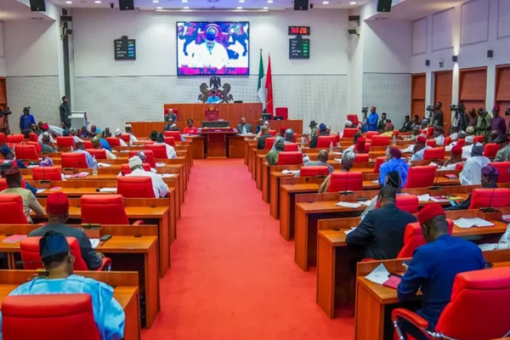
Facing persistent security threats, the Senate will consult stakeholders across Nigeria’s six zones to uncover causes and design lasting solutions.
Amid growing security concerns across Nigeria, the Senate has unveiled a zonal engagement initiative aimed at identifying and resolving the root causes of insecurity. The move was announced by the Senate Leader and Chairman of the Ad-hoc Committee on the National Security Summit, Senator Opeyemi Bamidele, during the committee’s inaugural meeting held Wednesday in Abuja.
Bamidele stressed that meaningful progress in infrastructure or national development cannot be achieved without first ensuring security. “Addressing the widespread insecurity and achieving lasting peace is the central focus of this summit,” he said.
The Senate had earlier established a 20-member committee in response to escalating threats to lives, property, and national assets. The committee includes influential lawmakers such as Chief Whip Senator Tahir Monguno, Minority Leader Senator Abba Moro, Minority Whip Senator Osita Ngwu, Senator Adams Oshiomhole, Senator Gbenga Daniel, Senator Ahmed Lawan, and Senator Abdulaziz Yar’Adua, among others.
According to Bamidele, the committee will hold zonal consultations to facilitate grassroots-driven dialogue and generate region-specific strategies. “Our objective is to ensure every Nigerian—regardless of region or background—can live and work without fear,” he stated.
To achieve this, the committee plans to engage key stakeholders across all six geo-political zones. These sessions will seek to uncover the underlying causes of insecurity, identify the actors involved, and develop actionable solutions. Bamidele also highlighted plans to meet with victims of armed violence to gain firsthand perspectives and foster inclusive strategies.
“Listening directly to affected communities will allow us to understand their fears, hear their suggestions, and co-create sustainable solutions for peace and order,” he added.
Bamidele emphasized that development and national prosperity can only be realized when peace and unity are firmly established. The committee, he assured, is committed to working tirelessly to devise comprehensive measures for stability.
The upcoming summit will bring together a wide range of stakeholders, including traditional rulers, government officials, security and intelligence agencies, local government representatives, the media, and civil society groups. The aim is to pool ideas and contributions from all corners of the country.
Highlighting the unique security challenges facing different regions, Bamidele noted:
-
North-West: Banditry and kidnapping
-
North-East: Terrorism and extremist insurgency
-
North-Central: Farmers-herders conflict and growing insecurity
-
South-East: Separatist agitations, gang violence, and kidnappings
-
South-South: Oil theft, piracy, and environmental conflicts
-
South-West: Ritual killings and rising abduction cases
He also expressed concern that formerly isolated insecurity issues have spread to previously unaffected areas such as Kwara and that Benue’s situation continues to deteriorate.
“The entire nation is affected. These crimes not only threaten our people but also represent severe economic sabotage,” Bamidele concluded.







Comments
0 comments