
Marketers To Dangote: Slash Fuel Prices, End Supply Restrictions Now!
 Follow us on Google News
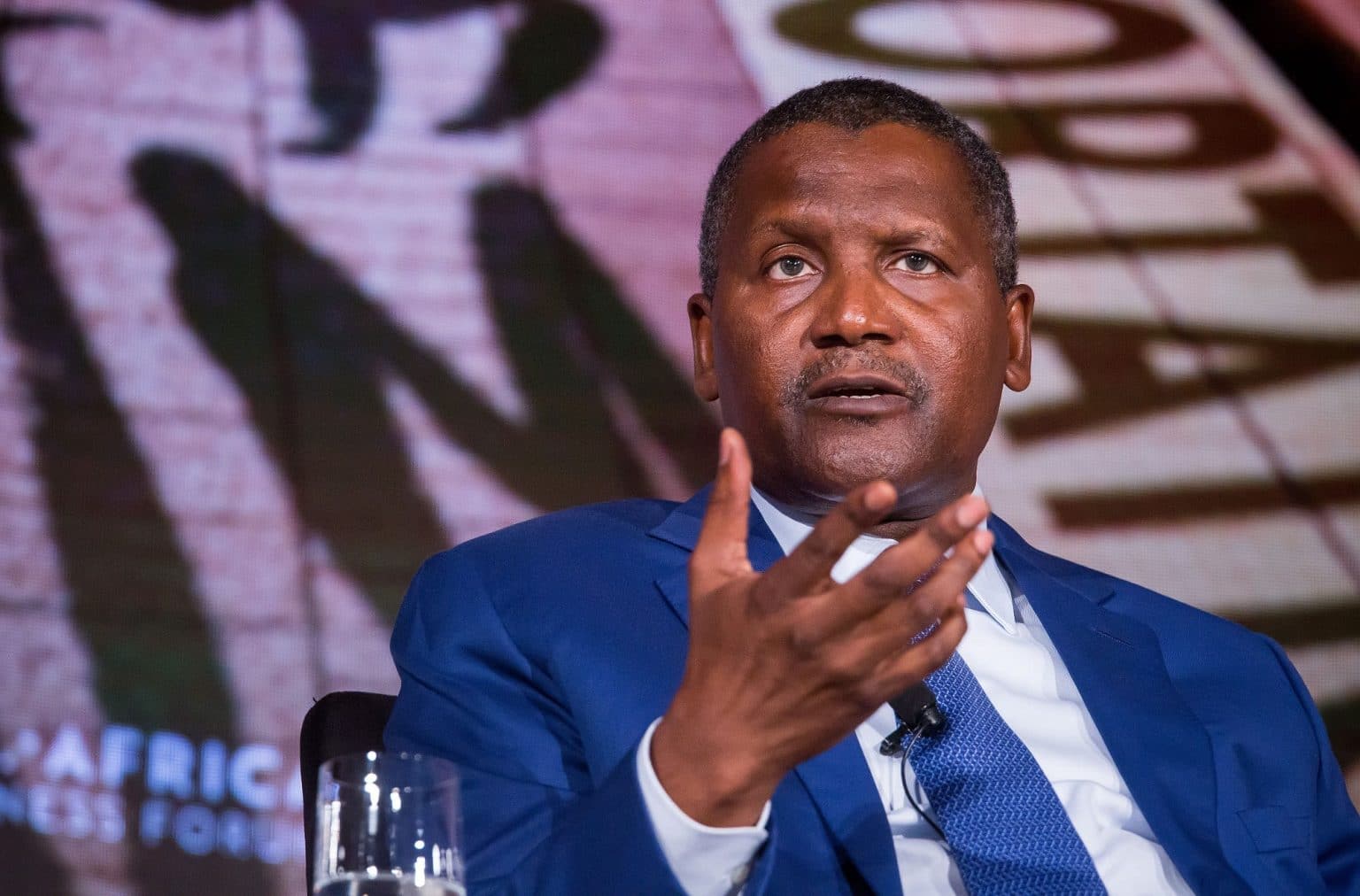
The Depot and Petroleum Products Marketers Association of Nigeria (DAPPMAN) has urged the Dangote Petroleum Refinery to make fuel supply cheaper and more accessible to marketers, insisting that a transparent distribution process would help eliminate fuel queues nationwide.
Appearing on Channels Television’s The Morning Brief on Wednesday, DAPPMAN spokesperson Ikem Ohia dismissed speculations of a feud with the refinery but maintained that marketers are only seeking fairness.
“Our major concern is to ensure petroleum products are sold at fair and consistent prices so that there’s steady supply and Nigerians no longer suffer queues,” Ohia said.
While acknowledging Dangote as the dominant supplier, he questioned the strategy of restricting supply to a select few.
“The issue is: at what price are we offered these products, and do we truly have access to buy them?” he asked.
Ohia reminded that for more than two decades, DAPPMAN members have invested heavily in distribution infrastructure with depots in Lagos, Warri, Port Harcourt, and Calabar. He urged Dangote to leverage these facilities to meet national demand.
“What we are asking is simple—let’s use the existing depots so Nigerians can be adequately served,” he added.
Rejecting claims that marketers are lobbying for subsidies, Ohia clarified their demands are strictly business-related.
“We are businessmen, and Dangote is also a businessman. We’re not calling for subsidies. We are only negotiating how he can close the gap in supply,” he said.
He stressed that, globally, refineries rely on bulk distribution through major off-takers in addition to retail sales, and Nigeria should not be different.
“Depending solely on retail gantry sales cannot satisfy national consumption. Refineries typically ensure bulk evacuation through off-takers who can move massive volumes,” he explained.
Concerns Over Dangote’s Truck Fleet
The controversy deepened as Dangote invested in 4,000 CNG-powered trucks for nationwide distribution—a development that marketers fear could give the refinery excessive control over the downstream sector.
Ohia revealed that the restricted supply has already left many marketers, including those running up to 300 filling stations, unable to meet customer needs.
“Current supply figures show a clear shortfall. Bulk deliveries to depots are critical if we truly want to serve Nigerians,” he stressed.
Stakeholders React
On Tuesday, billionaire businessman Femi Otedola advised marketers to adjust to new realities, suggesting they consider acquiring the Port Harcourt Refinery instead of opposing Dangote’s model.
Similarly, the President of the Petroleum Products Retail Outlets Owners Association of Nigeria (PETROAN), Billy Gilly-Harris, noted that Dangote’s 4,000 trucks would still fall short of meeting nationwide demand.
Dangote Refinery’s Response
In response, Dangote Petroleum Refinery rejected DAPPMAN’s allegations of over ₦1.5 trillion hidden subsidies, calling them “false and unfounded.”
The refinery insisted its pricing is strictly determined by production costs and regulated margins, emphasizing that logistics remain the responsibility of marketers.
“Subsidy on petroleum products ended in May 2023. Marketers, like all operators, must bear the transportation costs of moving products to their depots,” the statement clarified.







Comments
0 comments