
Fresh Twist In Electoral Calendar: NASS Moves To Fix Presidential, Governorship Elections For November 2026
 Follow us on Google News
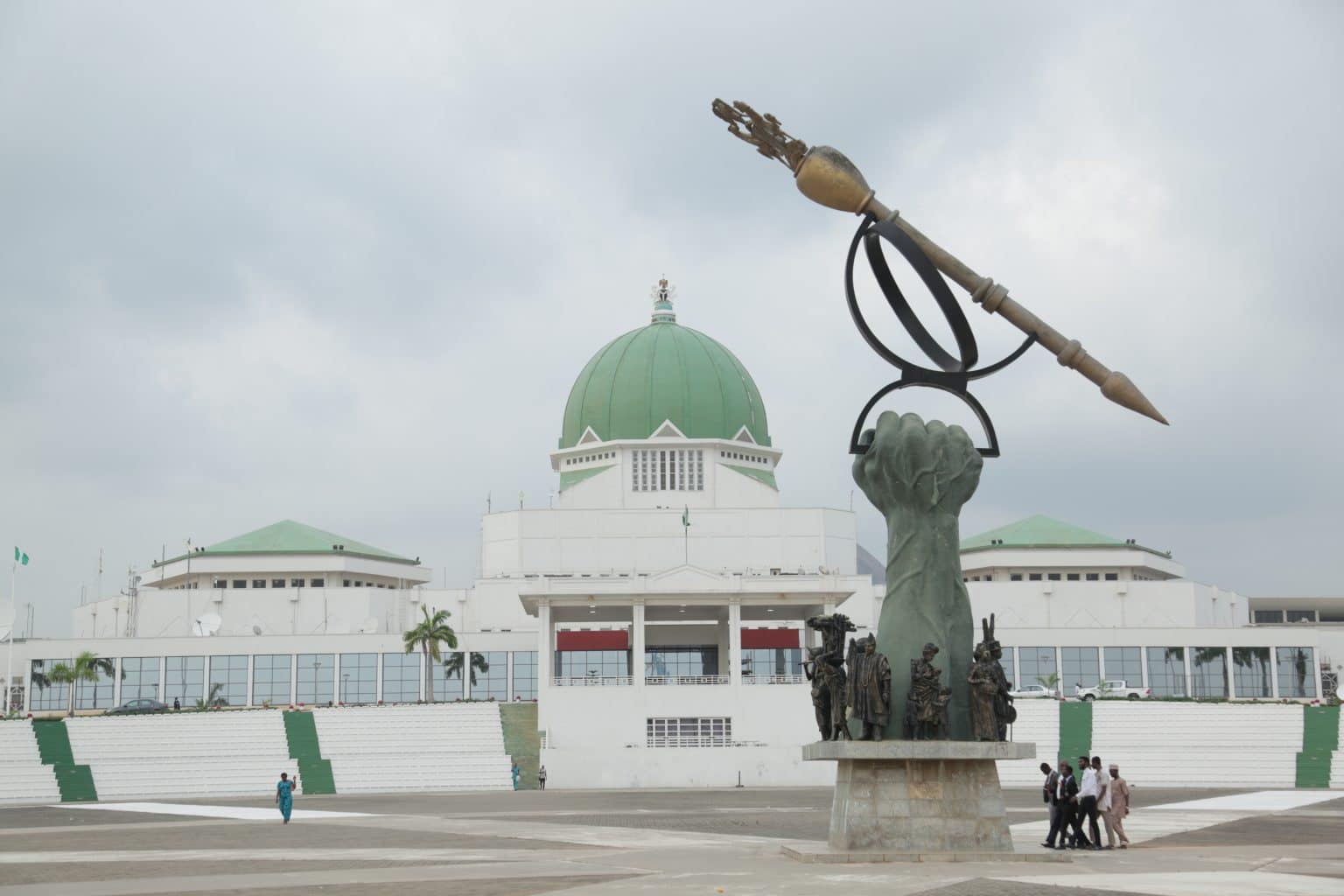
The National Assembly has proposed moving the presidential and governorship elections from the traditional February or March timeline to November 2026, ahead of the 2027 general polls.
The proposal is contained in draft amendments to the 2022 Electoral Act, which currently mandates that such elections be conducted no later than 185 days before the end of the incumbent’s tenure on May 29.
The amendment was presented on Monday during a public hearing organized by the Senate and House of Representatives Joint Committee on Electoral Matters.
According to the draft, Section 4(7) now stipulates that “elections into the office of the President and Governor of a state shall be held not later than 185 days before the expiration of the term of office of the last holder of the office.”
Calculations show that 185 days before May 29, 2027, falls in November 2026, making that month the new target date for the polls.
For legislative elections, Section 4(5) proposes that elections into state assemblies and the National Assembly also be conducted “not later than 185 days before the date on which each of the houses stands dissolved.”
Explaining the rationale, House Committee on Electoral Matters Chairman, Adebayo Balogun, said the goal is to give the judiciary ample time to conclude all election-related litigations before inauguration day.
“To ensure all election disputes are settled before winners are sworn in, we are proposing to shorten the 180-day tribunal period to 90 days,” Balogun said.
He added that appellate courts would have 90 days to deliver their rulings, while the Supreme Court would have 60 days, fitting all judgments within the proposed 185-day window.
The National Assembly also plans to amend Sections 285 and 139 of the 1999 Constitution to align with these proposed reforms.
Other key changes include the introduction of early voting, mandatory electronic transmission of results, and stricter penalties for electoral offences.
Section 2 of the draft provides for early voting “not later than 14 days before the election” for security personnel, INEC officials, accredited observers, journalists, and ad hoc staff.
Section 60(5) further mandates that presiding officers must transmit results both electronically and manually, including the total number of accredited voters.
Additionally, the draft criminalizes the distribution of unstamped ballot papers or result sheets, punishable by one year imprisonment, a ₦1 million fine, or both.
Stakeholders present, including INEC’s representative Abdullahi Zuru, welcomed the proposed amendments — particularly the emphasis on electronic voting and result transmission — describing them as vital steps toward greater electoral transparency.







Comments
0 comments