
Latest
Breaking: Barcelona Abandons Super League Plan, Madrid Faces Backlash

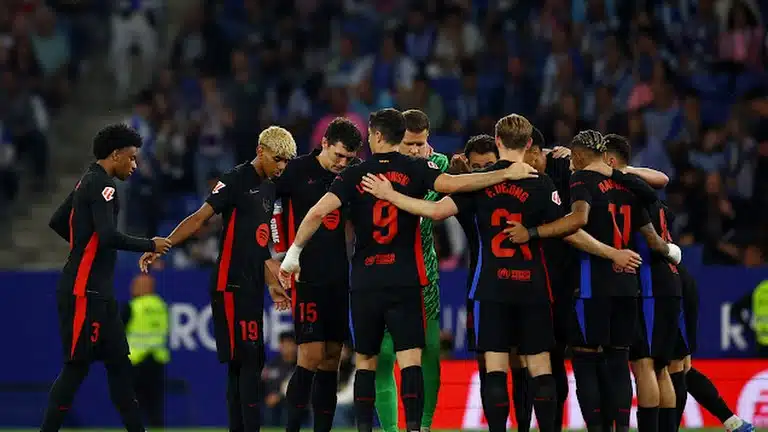
Barcelona has officially withdrawn from the European Super League (ESL), ending their participation in the controversial breakaway project and leaving Real Madrid as the only remaining club publicly supporting the initiative.....KINDLY READ THE FULL STORY HERE▶
The La Liga champions confirmed their decision in a brief statement on the club’s official website on February 7.
“FC Barcelona hereby announces that it has formally notified the European Super League Company and the participating clubs of its withdrawal from the European Super League project,” the statement read.
The European Super League was initially launched in 2021, with 12 elite European clubs proposing a rival competition to the UEFA Champions League. The founding members included six Premier League clubs: Manchester United, Manchester City, Liverpool, Chelsea, Arsenal, and Tottenham Hotspur.
However, the announcement provoked intense backlash from fans, football authorities, and political leaders, prompting all six English clubs to withdraw within 72 hours. This rapid collapse became one of the most dramatic episodes in modern football governance.
Juventus formally exited the project in June 2024, leaving Barcelona and Real Madrid as the final two clubs publicly supporting the ESL.
In October 2025, Barcelona president Joan Laporta signaled the club’s intention to rebuild relations with UEFA and rejoin the European Football Clubs (EFC), formerly the European Clubs Association (ECA). Barcelona and the other original ESL clubs had been expelled from the organisation after the initial announcement, though the remaining 10 clubs have since been reinstated.
Meanwhile, Real Madrid continues to pursue legal action linked to the failed Super League, seeking “substantial damages” from UEFA following court rulings that criticised the governing body’s handling of the plans. In May 2024, a Madrid commercial court ruled that UEFA and FIFA had engaged in anti-competitive practices, a finding later echoed by the European Court of Justice.
The legal case, initiated by A22 Sports Management—the company behind the ESL—targets UEFA, FIFA, La Liga, and the Spanish Football Federation.
UEFA has since updated its regulations regarding the approval of new competitions in response to the ESL controversy. Following a ruling by the Provincial Court of Madrid in October, UEFA emphasised that the judgment “does not validate” the Super League project nor undermine its current authorisation rules.


Trump Takes Action: Investigation Begins As Americans Grapple With Higher Fuel Costs

Without Fayose, No Makinde Governorship’ — Isaac Sparks Controversy

Democracy-Era Dispute Erupts As NADECO Challenges Abdulsalami’s Narrative

Nigerians React As Onanuga Questions Scale Of Economic Hardship

State Police Debate Deepens As Former Security Chiefs Clash Over Governors’ Powers

Family Speaks: How General Abubakar Died, Reveals Wife Still In Bandits’ Captivity

Sh*cking Police Shake-Up As Oyigbo DPO Is Removed Over ₦500,000 Bribery Allegation

Dollar To Naira Sh*ck: Fresh Exchange Rate Revealed For June 21, 2026

Etinosa Reacts To Viral Concerns About Her Neck Size, Says She Is Healthy
