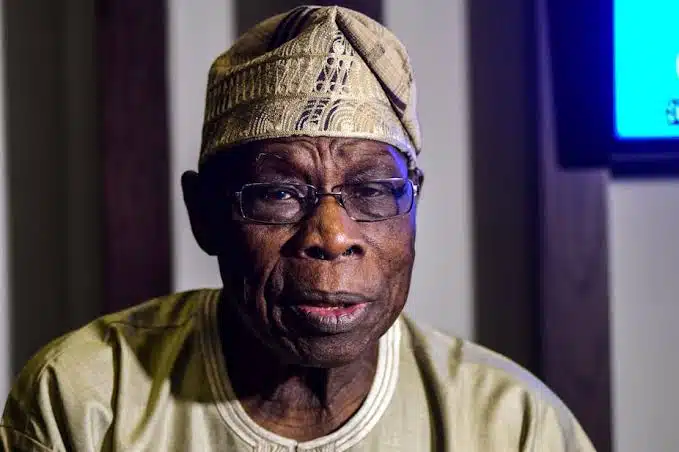
Obasanjo, who served as military Head of State before handing over to the democratically elected President Shehu Shagari in 1979, made the remarks on Thursday in Abuja. He was speaking at the International Memorial Lecture and Leadership Conference commemorating the 50th anniversary of the assassination of former Head of State, General Murtala Muhammed.
He said that by the time his administration was preparing to exit office in July 1979, Nigeria was close to attaining self-sufficiency in rice production.
“By the time we left in July 1979, we wanted to be self-sufficient in rice production. We requested a report on what was in the fields, and the report indicated that we would achieve self-sufficiency that year,” he said.
Based on that assessment, Obasanjo explained that his government imposed a ban on rice importation before formally handing over power in October 1979.
However, he claimed that the incoming civilian administration quickly lifted the ban, allegedly to distribute import licences to political allies and supporters.
According to Obasanjo, the reversal opened the door to abuses, citing an example involving a politically connected importer who allegedly inflated the value of a rice contract to secure personal gain.
He recounted that the importer arranged for suppliers in the United States to increase the contract price by $5 million. The suppliers complied to retain the deal. The importer later demanded $2.5 million from the inflated amount but reportedly received only $1 million. The matter was eventually brought to the attention of Nigerian officials abroad, who learned from the suppliers that the additional sum had been included at the importer’s request.
Obasanjo said the episode was embarrassing and reflective of deeper systemic issues.
“Since the lifting of the rice import ban in 1979, we have not recovered from it. That is why we are still importing rice today,” he stated, questioning whether such decisions had hindered Africa’s progress.

 Follow us on Google News