FG Suspends Approval Of New Universities For Six Years, Sparks Debate On Education Policy
 Follow us on Google News
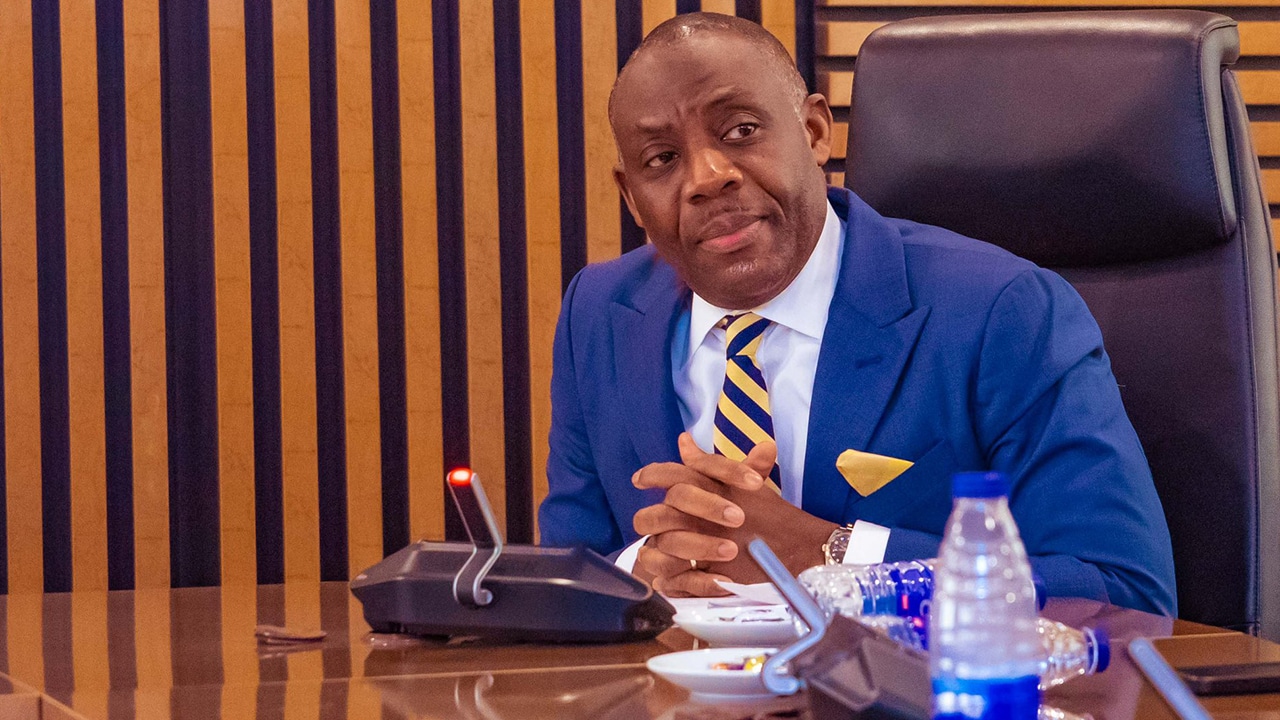
The Federal Government has announced a six-year suspension on the approval of new universities, polytechnics, and colleges of education across Nigeria.
The decision was taken during a Federal Executive Council (FEC) meeting presided over by President Bola Ahmed Tinubu at the Presidential Villa.
Minister of Education Tunji Alausa told journalists after the meeting that the temporary restriction aims to strengthen the quality and stability of existing tertiary institutions in the country.
According to Alausa, the rapid expansion of higher education institutions has posed challenges in maintaining academic standards and financial stability, particularly for privately-owned schools. He added that the government intends to focus on improving the performance and sustainability of existing institutions during the suspension period.
Highlighting recent figures from the Joint Admissions and Matriculation Board (JAMB), Alausa noted that over 2.3 million candidates applied for admission last year, yet fewer than 228,000 were offered places in public universities. He said the data underscores the limited capacity of existing institutions despite the large number of schools nationwide.
In the same meeting, the FEC restored the National Commission for Mass Literacy, Adult, and Non-Formal Education to full independent commission status. The decision followed the presentation of a new plan to promote adult literacy and digital skills for millions of Nigerians, with a focus on outreach to rural communities via media campaigns, community learning centres, and public education programmes.
Additionally, the council approved amendments to the law governing the National Postgraduate Medical College of Nigeria, allowing medical fellowships obtained through the college to be recognized as equivalent to a doctoral degree for academic promotion in universities and medical institutions.