Controversy Erupts As NBA Disagrees With Judge Over Kneeling Directive
 Follow us on Google News
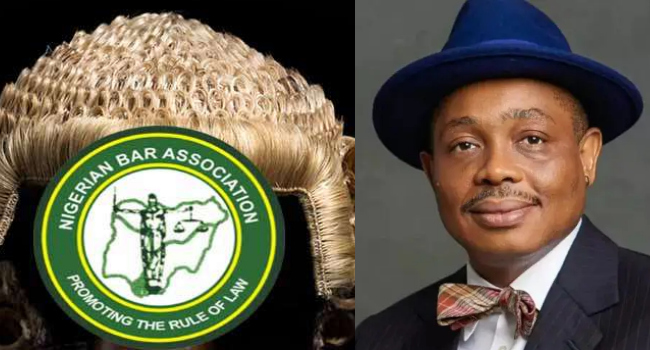
The Nigerian Bar Association (NBA) has expressed concern over the conduct of Justice Mohammed Umar of the Federal High Court in Abuja in relation to how he addressed a lawyer, Marshall Abubakar, during court proceedings.
In a statement issued on Tuesday by its President, Afam Osigwe, the NBA stressed the importance of mutual respect between members of the bench and the bar.
The controversy began when Justice Umar reportedly instructed Abubakar, counsel to activist Omoyele Sowore, to kneel in open court.
The incident occurred during proceedings in the cyberbullying case filed against Sowore by the Department of State Services (DSS) on Monday.
According to reports, the directive followed repeated instances where the defence counsel raised his voice while addressing the court. At the height of the exchange, the judge cautioned the lawyer against further interruptions and called him forward, before other lawyers intervened to calm the situation.
Reacting to the incident, Osigwe warned that such actions could undermine the reputation of the legal profession. He stated that there are established procedures for handling courtroom misconduct and emphasized that no judge has the authority to order a lawyer to kneel.
He explained that directing a legal practitioner—or any individual—to kneel in court is not a recognised judicial sanction under Nigerian law and does not conform to accepted standards of judicial conduct.
Osigwe further noted that the dignity of the court must be upheld both in its decisions and in the manner in which authority is exercised. He added that if a judge believes contempt has occurred, the appropriate legal procedures must be followed.
The NBA president also urged lawyers to maintain professionalism, restraint, and respect in their interactions within the courtroom.
He emphasized that any disagreement with the court, regardless of intensity, should be addressed through proper legal channels rather than actions that disrupt proceedings or challenge the court’s authority.
Osigwe concluded that the relationship between the bench and the bar is fundamental to the effective administration of justice and must be carefully protected.