The announcement was made by Mark Walker, the U.S. Principal Adviser for Global Religious Freedom, who confirmed that the measure is already in effect. He shared the update in a post on X on Friday.
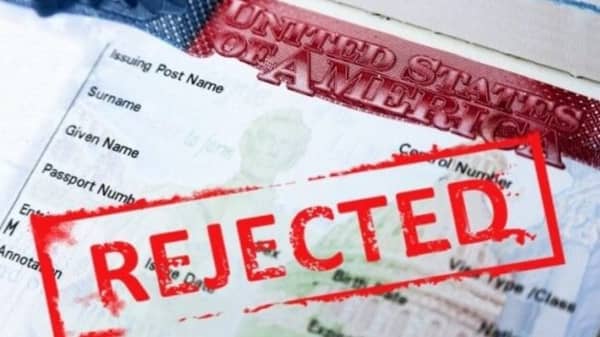
According to Walker, individuals implicated in religious persecution will now face stricter screening processes and may be denied entry into the United States.
He stated that the U.S. remains firm in its position that those involved in persecution will not be granted access to the country, adding that the policy is aimed at strengthening national security and protecting human rights.
The visa restriction framework was originally introduced in December by U.S. Secretary of State Marco Rubio, who said it targets individuals who “knowingly direct, authorise, fund, support, or carry out violations of religious freedom.”
The policy is part of Washington’s broader response to global concerns over religious violence, including reported attacks on Christians in Nigeria and other regions.
It follows a resolution sponsored by Congressman Chris Smith, chairman of the U.S. House Foreign Affairs Subcommittee on Africa, which recommended visa bans and asset freezes against individuals and groups accused of serious religious rights violations in Nigeria.
The resolution specifically referenced organisations such as the Miyetti Allah Cattle Breeders Association of Nigeria and Miyetti Allah Kautal Hore in relation to alleged violations.
Earlier in February, some U.S. lawmakers also proposed sanctions against former Kano State Governor Rabiu Kwankwaso over alleged involvement in religious freedom violations.
However, Walker did not name any individuals or entities currently affected by the newly enforced visa restrictions.

 Follow us on Google News