
Latest
Breaking: Tinubu Assents To 2026 Budget, Approves 2025 Supplementary Expansion

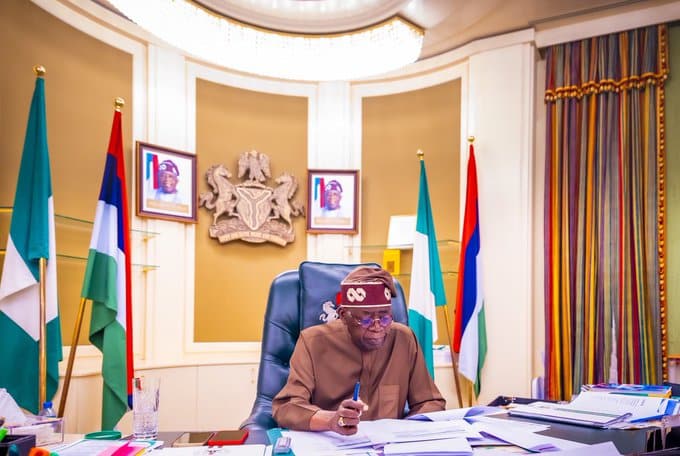
President Bola Ahmed Tinubu has signed the ₦68.32 trillion 2026 Appropriation Bill into law.....KINDLY READ THE FULL STORY HERE▶


Latest34 minutes ago
Breaking: Former APC Chairman’s Chief Of Staff Defects To NDC

Latest41 minutes ago
I Have Video Evidence” — Anih Fires Back At NDC Leaders Over Alleged Impersonation Claims

Latest51 minutes ago
Breaking: Violence Erupts As Thugs Disrupt Itsekiri Youth Protest At INEC Headquarters

Entertainment56 minutes ago
Emotional Reveal: Ashmusy Speaks On End Of Friendship With Nons Miraj

Latest1 hour ago
Court Stalls EFCC Bid As Forfeiture Case Against Sylva’s Alleged Properties Is Adjourned

Latest6 days ago
Fresh Twist In Lagos Politics As Desmond Elliot Rejects Claims Of Withdrawal Talks

Latest1 week ago
Inside The Operation: How Nigerian And US Forces Eliminated ISIS Leader Al-Minuki

Latest1 week ago
Political Shake-Up As Akume Loyalists Fall Short In Benue APC Primaries

Latest6 days ago
You Ignored My Warnings!” — Gani Adams Blasts South-West Governors Over Insecurity

Latest1 week ago