
Latest
Alarm Bells: Atiku Abubakar Raises Concern As Reserves Fall To $48.37bn

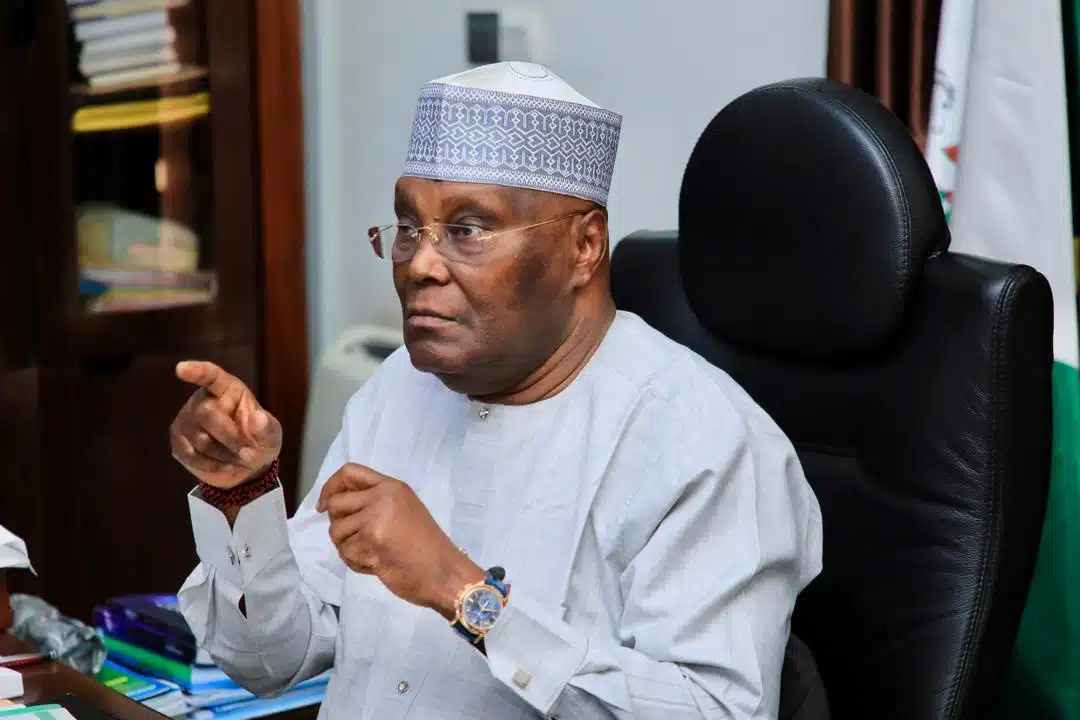
Former Vice President Atiku Abubakar has expressed concern over the steady decline in Nigeria’s external reserves, despite what he described as a significant oil revenue windfall driven by tensions in the Middle East.....KINDLY READ THE FULL STORY HERE▶
In a statement issued on Sunday through his spokesperson, Phrank Shaibu, Atiku questioned the management of the economy under President Bola Tinubu, describing the situation as contradictory.
According to data from the Central Bank of Nigeria (CBN), the country’s foreign reserves dropped to $48.37 billion as of April 29, 2026.
This decline, he noted, comes despite an estimated ₦5 trillion oil windfall within the same period.
Global crude oil prices had surged significantly, with West Texas Intermediate rising to about $101 per barrel and Brent crude reaching around $108 per barrel, compared to levels below $70 per barrel in early February 2026.
Atiku described the falling reserves amid rising oil prices as a troubling contradiction that requires urgent explanation from the government.
He warned that the trend suggests a pattern of economic mismanagement, alleging that the administration may be relying on reserve drawdowns to project stability rather than addressing deeper structural issues.
“This is not stability but a fragile illusion sustained by depleting national savings. Defending the naira without improving productivity, exports, and investor confidence is unsustainable,” the statement said.
He urged the Federal Government to move away from short-term measures and focus on strengthening key economic fundamentals such as production, exports, and investor confidence.
Atiku also cautioned against mismanaging the oil windfall, stressing that the additional revenue should not be spent on recurrent expenses or political patronage.
Instead, he recommended that the funds be used to provide targeted relief to Nigerians, including measures to ease the impact of rising fuel costs, stabilise food supply, and support vulnerable groups.
“Nigerians are already facing high living costs and deserve to benefit directly from any gains recorded from increased oil prices,” he noted.
He further criticised what he described as the aggressive defence of the naira through depletion of foreign reserves, urging the government to adopt more sustainable strategies.
According to him, the windfall should be invested in long-term economic development, including domestic refining capacity, infrastructure, and policies that promote non-oil exports.
“The strength of the naira must come from a productive and competitive economy, not from artificial support,” he said.
Atiku added that how governments manage windfalls reflects their leadership priorities, warning that Nigeria’s reserves should not be treated as a political resource or used for short-term gains.
He called on the Tinubu administration to provide clarity on the declining reserves and to implement policies that ensure lasting economic stability beyond temporary oil price gains.


PUBLIC HEARING ON SENATE BILL 648: WHY NIGERIA MUST DEBATE THE FUTURE OF ITS DIGITAL ECONOMY, NOT JUST SOCIAL MEDIA

Don’t Blame INEC Chairman For Rigging’ — Deji Adeleke Sparks Fresh Election Debate

Fresh Tension As Nigeria Pushes ECOWAS To Act Over South Africa Xenophobia

Act Like A Leader, Stop Blaming Tinubu – Osita Okechukwu Fires At Atiku

Atiku, Peter Obi Can’t Gather Enough Support To Defeat Tinubu In 2027 – Ganduje

Mystery Deepens: New Details Surface In Mary Habila Death Investigation

Edo Governor Makes Major Shake-Up, Approves 20 Fresh Appointments

Oshiomhole Breaks Ranks, Opposes Fasina’s Confirmation Over Sexual Harassment Allegations

The Truth Must Be Told!’ – Full Text Of Umahi’s Explosive Remarks On Mary Habila’s Controversial Death
