
Latest
FG Sparks Reaction With Plan To Increase Prisoners’ Daily Feeding Allowance To ₦3,000

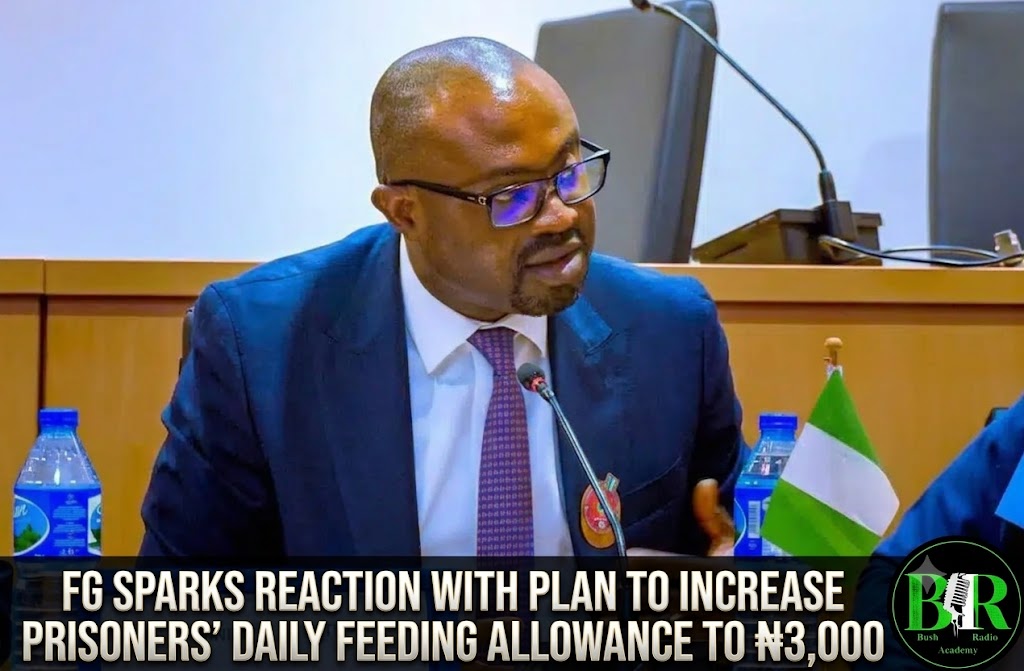
The Federal Government is reportedly set to raise the daily feeding allowance for inmates in correctional centres across Nigeria from ₦750 to ₦3,000.
According to Punch, the proposed increase is based on the recommendations of an independent investigative panel that examined allegations of corruption and human rights violations within the Nigerian Correctional Service (NCS).
The recommendation was contained in the panel’s final report, which was submitted to the Minister of Interior, Olubunmi Tunji-Ojo, on June 3, 2026, following months of nationwide investigations into correctional facilities.
The committee, established in September 2024, was mandated to probe alleged misconduct within the correctional system and propose reforms to improve its operations.
As part of its assignment, the panel visited 86 custodial centres across 23 states and the Federal Capital Territory, held public hearings, and conducted a study tour in Türkiye.
During its inquiry, the panel identified poor welfare conditions in several facilities, with inmate feeding emerging as a major concern. It also uncovered allegations of fund diversion, inflated contracts, and mismanagement of resources meant for feeding, healthcare, and rehabilitation programmes.
The report noted that inadequate feeding allocations and irregularities in food supply contracts had contributed to malnutrition among inmates in multiple correctional centres. In some of the facilities inspected, food portions were described as insufficient.
At the Owerri Correctional Centre in Imo State, investigators reportedly observed that food supplies were severely limited, with small portions being shared among many inmates. In Akwa Ibom State, the panel linked poor nutrition and malnourishment to reported deaths within a facility.
The committee also raised concerns over irregularities in the award of feeding contracts, noting that many were given to companies located far from the facilities they were meant to serve. This arrangement, according to the report, encouraged subcontracting, with responsibilities often passed down to officials within the centres.
It further alleged that some serving and retired correctional officers, alongside political actors and other influential individuals, were linked to the contract process. Investigators were also told that some contractors handed over feeding duties at amounts significantly below approved government rates, making adequate meal provision difficult.
Beyond welfare concerns, the panel suggested that certain systemic practices may be contributing indirectly to prison overcrowding, as some stakeholders benefiting from supply contracts might have little incentive to support alternatives to incarceration or expand agricultural initiatives within custodial centres.
To address the challenges identified, the committee recommended an immediate review and upward adjustment of the feeding allowance to ₦3,000 per inmate per day, arguing that the increase would better reflect current economic realities and improve nutrition standards.
It also recommended the modernisation of correctional farm centres, expansion of internal food production, and a reduction in dependence on external suppliers.
The panel expressed optimism that implementing its recommendations would enhance inmate welfare, improve transparency in contract management, and strengthen ongoing reforms in Nigeria’s correctional system.


Tiwa Savage Raises Alarm With Viral Warning: “Whenever You Hear This, Run”

Fola, Shoday, Mavo, Fido, Llona Make Headies Next Rated Shortlist

AFCON 2028: Ethiopia Challenges Egypt, South Africa For Hosting Rights

2027: Corruption May Be Requirement For Tinubu Appointments, Ex-Buhari Minister Alleges

Petrol Consumption Plunges to 37.6m Litres Daily as Nigerians Feel Price Pain

BREAKING: US Ends Temporary Protection For 12 Countries — See Full List

2027: Full List Of Presidential Candidates, Parties That Signed Peace Accord

Jonathan Raises Alarm Over Govs’ Interference In Off-Cycle Elections: ‘This Must Be Stopped

I Accept The Verdict’ — Oyebamiji Finally Speaks After Losing Osun Governorship Race To Adeleke
