
Woman Sparks Debate After Lecturer Allegedly Bars Her From Exam Hall Over Afro Hairstyle
 Follow us on Google News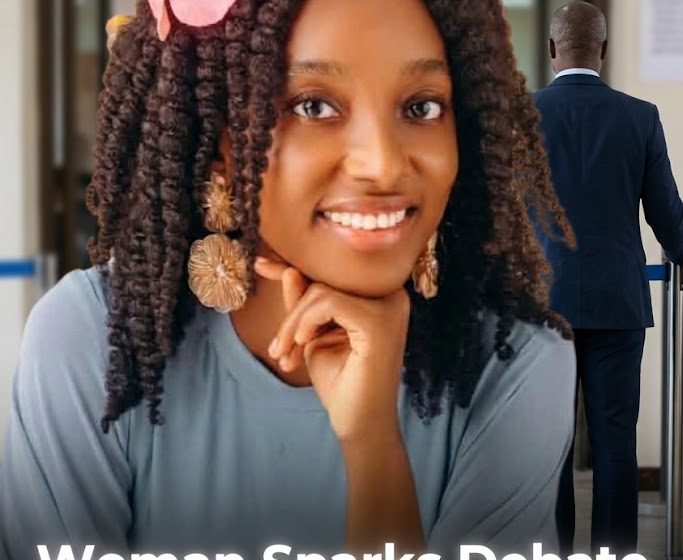
A woman, Lucy Emmanuel-Uzochukwu, has sparked a conversation about natural hair discrimination after recounting how she was allegedly denied entry into an examination hall because she wore her Afro hairstyle.
Emmanuel-Uzochukwu shared her experience in a Facebook post, questioning why natural African hair is sometimes regarded as untidy or unprofessional while hairstyles associated with other racial groups are treated as acceptable standards.
According to her account, she was preparing to write an examination when a lecturer allegedly ordered her to leave the queue because of her Afro hairstyle. She claimed that her hair was described as inappropriate, distracting and a nuisance, despite not being particularly long at the time.
She said the incident left her questioning why hair that naturally grows from an African person’s scalp could be considered unsuitable in an academic environment.
Emmanuel-Uzochukwu also extended the discussion to corporate workplaces, alleging that some employers, including banks, impose restrictions on how female employees wear their hair.
She cited the account of a woman who reportedly told her that her bank required female staff members to wear wigs or keep their natural hair covered, arguing that leaving their hair uncovered could make them appear unprofessional or untidy.
The development, she said, reflects a broader problem in which natural African hairstyles are judged negatively and people are pressured to conform to particular appearance standards to be considered acceptable.
Emmanuel-Uzochukwu disclosed that she eventually had to find a scarf to cover her hair before she could write her examination.
She called for an end to what she described as discrimination against natural hair, urging Africans to embrace their natural appearance without feeling ashamed or inferior to others.
Her account has renewed conversations about personal expression, workplace grooming policies, cultural identity and whether natural hairstyles should affect how individuals are treated in educational and professional settings.
According to Bush Radio Academy, Emmanuel-Uzochukwu’s experience highlights ongoing concerns about the acceptance of natural African hairstyles and the need to examine appearance policies in schools, examination centres and workplaces.







Comments
0 comments