
Naira Faces Fresh Pressure As Dollar Sells For ₦1,390 On Black Market
 Follow us on Google News
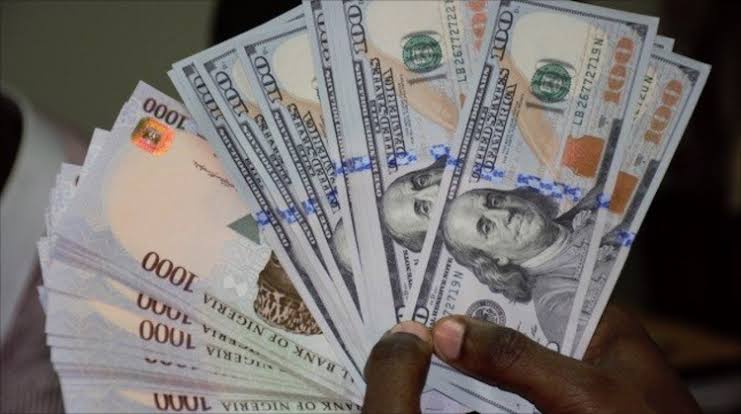
The Nigerian naira is trading at ₦1,390 per dollar in the parallel foreign exchange market as the local currency opens a new trading week with mixed movements across the official and unofficial exchange rate windows.
On Monday, November 16, 2026, Bureau De Change operators and street currency dealers in Lagos and Abuja quoted the dollar at ₦1,380 for buying and ₦1,390 for selling.
At the prevailing parallel market selling rate, individuals seeking to purchase $100 would need approximately ₦139,000.
According to information made available to Bush Radio Academy, data published by the Central Bank of Nigeria (CBN) showed that the Nigerian Foreign Exchange Market (NFEM) reference rate stood at ₦1,353.97 per dollar.
The latest figures followed a previous trading session in which the naira reportedly depreciated by ₦7.18, amid pressure from corporate foreign exchange obligations and increased demand for dollars by importers ahead of the year-end period.
However, early morning interbank indicators placed the dollar at approximately ₦1,343.35 as market participants monitored developments and awaited further movements in the foreign exchange market.
The difference between the official NFEM reference rate of ₦1,353.97 and the parallel market selling rate of ₦1,390 represents an exchange rate gap of approximately ₦36.03 per dollar.
This means that $100 would cost about ₦135,397 at the official reference rate, compared with ₦139,000 in the parallel market.
Despite the pressure recorded in the previous trading session, the relatively narrow difference between the two exchange rate windows suggests some level of stability compared with periods when the disparity was significantly wider.
Market analysts have identified Nigeria’s foreign reserve buffers and the CBN’s ongoing interventions as factors helping to moderate volatility in the currency market.
Nevertheless, continued demand for dollars from businesses meeting corporate obligations and importers preparing for the year-end trading period could influence the naira’s performance in the coming weeks.







Comments
0 comments