
Federal Government Expresses Concerns As Human-Fruit Bat Interactions Rise
 Follow us on Google News
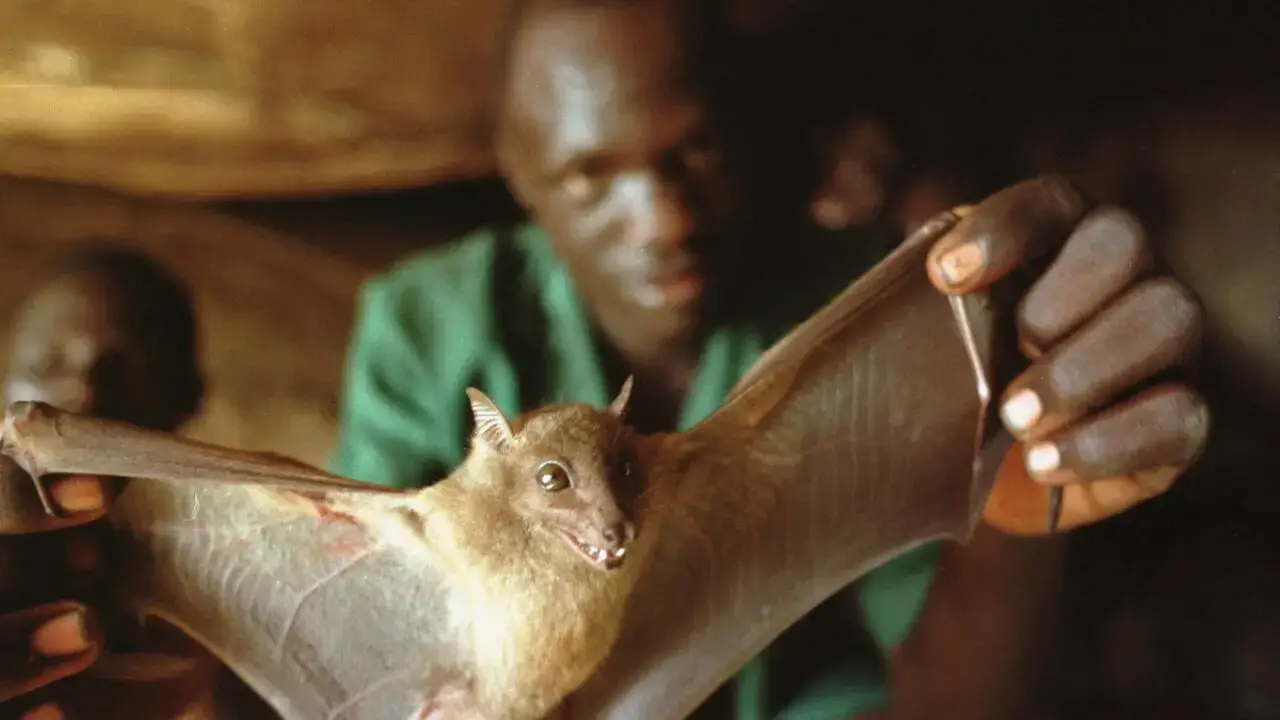
Federal Government Expresses Concerns As Human-Fruit Bat Interactions Rise
On Friday, the Federal Ministry of Health expressed deep concern over the escalating human interactions with fruit bats, known reservoirs for various diseases. Particularly worrisome is the growing interest among individuals from Benue and neighboring states, posing a significant health threat to other Nigerians………CONTINUE READING
During a meeting of the National One Health Steering Committee in Abuja, Coordinating Minister of Health and Social Development, Prof. Muhammad Ali Pate, and other health sector stakeholders highlighted the pressing concerns. The committee leads the way in early prevention and resolution of public health crises through a One Health approach.
Pate emphasized that the initiative was a response to recent calls for action in Benue State, following research findings on fruit bats and the associated risk of zoonotic diseases. The meeting aimed to enhance discussions on potential zoonotic disease spillovers from fruit bats, strengthen efforts to safeguard Nigerians’ health, provide policy advice on One Health priority pathogens research, and reinforce One Health implementation in Nigeria.
During the presentation, Dr. Oyeladun Okunromade, Head of the Surveillance and Epidemiology Department at the Nigeria Centre for Disease Control (NCDC), underscored the dangers of increased human interactions with fruit bats. She revealed that fruit bats serve as reservoirs for various infectious agents, including parasites, bacteria, viruses, and fungi. A 2023 serosurvey in Makurdi, Benue State, discovered neutralizing antibodies against Nipah, Ebola, Influenza (H17N10), and Henipavirus in fruit bats.
Okunromade cautioned against human activities like capturing, handling, and consuming bats, which elevate the risk of cross-species transmission of viruses and other pathogens. As human settlements encroach into bat roosting areas, the risk of zoonotic spillover increases. The potential spread of viruses from fruit bats to humans, especially in communities where bat consumption is practiced, raises public health concerns.
The joint risk assessment team recommended mapping states involved in bat-related activities, conducting serological studies in these areas, and launching awareness campaigns about the dangers associated with bats. Further research on the epidemiology of viruses, mitigation of potential spillover risks, and continuous surveillance in both bats and humans at the human-animal interface were also suggested.
Dr. Clement Meseko of the National Veterinary Research Institute (NVRI) commended the government’s support for the One Health Steering Committee’s actions and research on human interactions with fruit bats. He highlighted the imminent public health danger due to increasing human and fruit bat activities, expressing gratitude for the Minister’s commitment to presenting the matter globally to access the Global Fund for Pandemic response.
For more information join our WhatsApp group by clicking the link here: WhatsApp Group Invite







Comments
0 comments