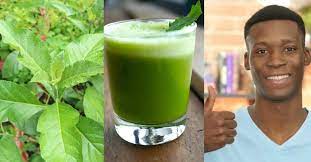
Understanding the Risks Why You Should Consider Limiting Bitter Leaf Water Consumption
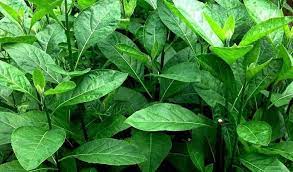
Bitter leaf water, derived from the leaves of the bitter leaf plant (Vernonia amygdalina), has long been hailed for its purported health benefits in traditional medicine practices. However, recent studies have shed light on potential risks associated with excessive consumption of bitter leaf water. Here’s why you should consider limiting your intake:…READ ALSODiscover The Power Of Bitter Leaf: Your Key To Fresh, Clean Skin Naturally....KINDLY READ THE FULL STORY HERE▶
- Liver Toxicity Concerns: While bitter leaf water is often touted for its detoxifying properties, consuming large quantities may have adverse effects on liver health. Some compounds found in bitter leaf, such as alkaloids and sesquiterpenes, have been linked to liver toxicity when consumed in excess. Prolonged or excessive intake of bitter leaf water may strain the liver and lead to liver damage over time.
- Potential for Hypoglycemia: Bitter leaf water is commonly used in traditional medicine to help manage blood sugar levels in individuals with diabetes. However, bitter leaf contains compounds that may lower blood sugar levels, which could pose a risk of hypoglycemia (low blood sugar) when consumed in large amounts or by individuals not accustomed to its effects. It’s essential for individuals with diabetes or those at risk of hypoglycemia to monitor their blood sugar levels closely when consuming bitter leaf water.
- Digestive Disturbances: Bitter leaf water has a naturally bitter taste due to the presence of compounds like sesquiterpene lactones and flavonoids. While some people may tolerate this bitterness well, others may experience digestive discomfort, including nausea, vomiting, or diarrhea, especially with prolonged or excessive consumption. Individuals with sensitive stomachs or digestive issues should exercise caution when drinking bitter leaf water.
- Potential Allergic Reactions: Like many herbal remedies, bitter leaf water may trigger allergic reactions in susceptible individuals. Allergies to bitter leaf can manifest as skin rashes, itching, swelling, or respiratory symptoms such as wheezing or difficulty breathing. If you experience any adverse reactions after consuming bitter leaf water, discontinue use immediately and consult a healthcare professional.
- Contamination Concerns: Bitter leaf water is typically prepared by steeping bitter leaf leaves in water or boiling them to extract their beneficial compounds. However, improper handling or storage of bitter leaf leaves may lead to contamination with harmful bacteria or other pathogens, posing a risk of foodborne illness. It’s essential to use fresh, clean bitter leaf leaves and follow proper hygiene practices when preparing bitter leaf water to reduce the risk of contamination.
While bitter leaf water may offer certain health benefits when consumed in moderation, it’s crucial to be aware of the potential risks associated with its use. If you’re considering incorporating bitter leaf water into your diet or wellness routine, consult with a healthcare professional to determine the appropriate dosage and ensure it’s safe for you, especially if you have any underlying health conditions or concerns.