
Public Interest Spikes As Citizens Ask Innocent Questions About National Anthem
 Follow us on Google News
Public Interest Spikes As Citizens Ask Innocent Questions About National Anthem
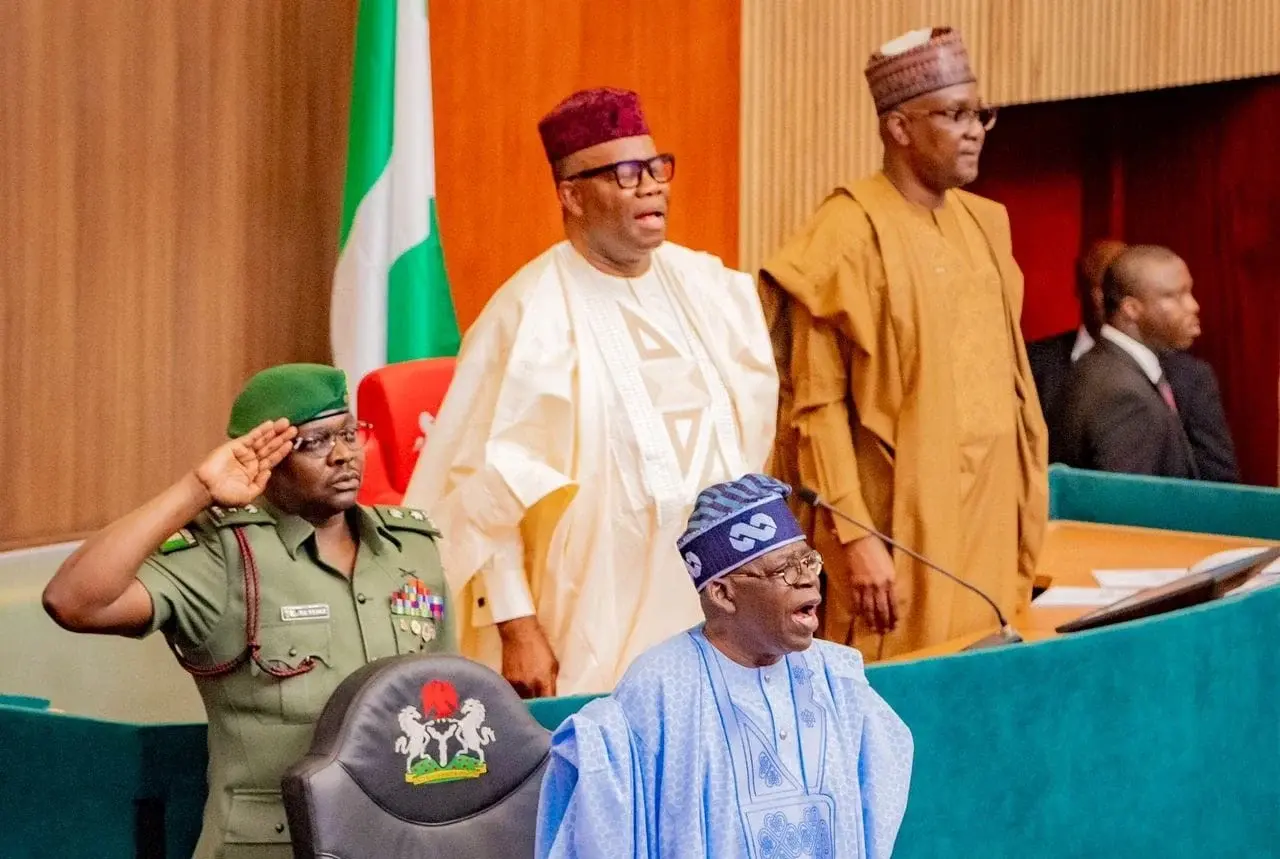
Why reverting to the old National Anthem, “Nigeria, We Hail Thee”, has become a contentious issueThe discussion surrounding the possibility of returning to Nigeria’s former National Anthem, “Nigeria, We Hail Thee,” which served as the country’s anthem from its independence in 1960 until 1978 when it was replaced by “Arise, O Compatriots,” has sparked significant debate. Many view this inquiry as a simple and benign question. However, the responses and comments have largely been critical………..CONTINUE READING
Analogies have been drawn between the proposal and a situation where a man prioritizes chasing rats while his house is engulfed in flames. Critics argue that amidst the myriad challenges facing the nation, such as inflation, unemployment, corruption, poverty, insecurity, tribalism, power supply issues, and brain drain, the focus on changing the national anthem seems misplaced.
Examining the two anthems, the old anthem composed by Lillian Jean Williams in 1959 and set to music by Frances Berda is praised for its poignant message of unity amidst diversity: “Though tribe and tongue may differ, in brotherhood we stand.” It resonates with Nigeria’s post-colonial era and the need for national unity. However, some argue that the context has evolved, and the recent anthem, “Arise, O Compatriots,” reflects the challenges and aspirations of contemporary Nigeria.
Despite the unity expressed in the old anthem’s lyrics, the reality of Nigeria’s history has been marked by coups, counter-coups, and tribal tensions, challenging the notion of unity. The resurgence of tribalism and division, particularly during recent elections, highlights the ongoing struggle for national unity.
Critics question the relevance of a national anthem that speaks of freedom, peace, and unity when these ideals seem elusive. The call for justice in the anthem contrasts sharply with perceived injustices in the electoral process and governance.
The decision to revert to the old anthem has been met with skepticism and criticism. Some question the haste with which the bill was passed and signed into law, raising suspicions about the government’s transparency.
Furthermore, amidst calls for reverting to old traditions, suggestions to rename Lagos to its original name, Eko, and rename Nigeria to the Republic of Wazobia have emerged. Others advocate for the return to a regional system and true federalism.
Public reaction reflects disappointment and frustration with the government’s priorities. Many view the anthem change as a symbolic gesture that does not address the pressing issues affecting citizens’ lives.
In conclusion, the discourse surrounding the national anthem reflects deeper societal concerns and frustrations with governance, highlighting the need for meaningful reforms and addressing core issues facing the nation
For more information join our WhatsApp group by clicking the link here: WhatsApp Group Invite
For inquiries only, contact us at omoikirodahoshiobugie@gmail.com, 08075806790 (WhatsApp only). For paid articles covering content related to shows, music promotion, asylum letters, concerts, politics, advertisement hit up the Whatsapp number 08075806790.
Source: Bushradiogist




Comments
0 comments