
Latest
Alleged Coup Plot Foiled? Dramatic Details Emerge On Mastermind’s Arrest

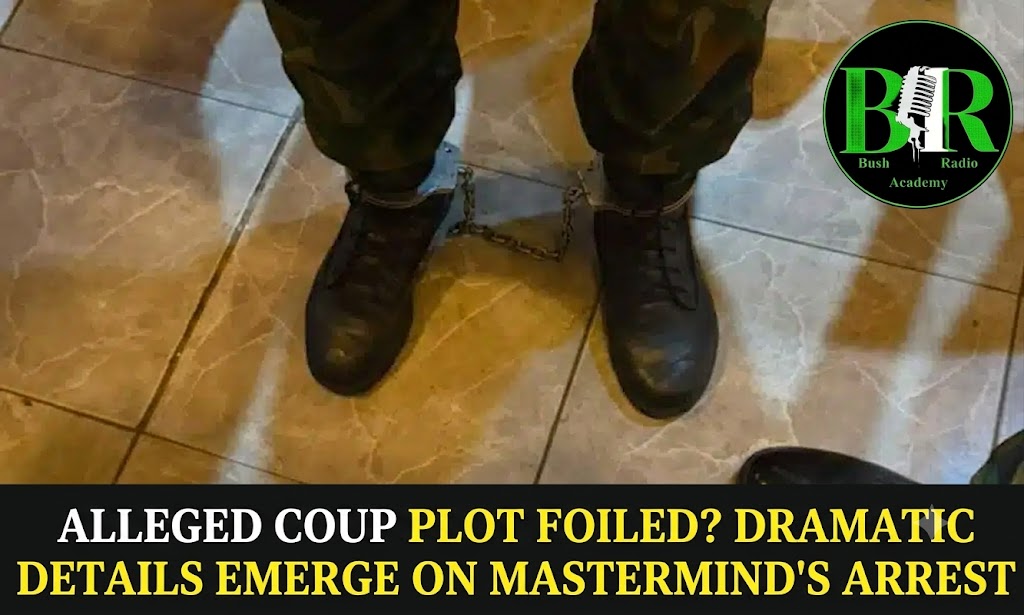
A Nigerian Army colonel, Mohammed Ma’aji, has reportedly told investigators that repeated disappointments over his failed promotion to the rank of brigadier general played a major role in his alleged involvement in a failed coup plot against President Bola Tinubu’s administration.
According to documents obtained by Premium Times, Ma’aji said his frustration with his stalled military career, coupled with concerns over worsening insecurity and the welfare of serving and retired personnel, led him to begin seeking support for the alleged plot in 2023.
The 49-year-old officer from Niger State reportedly claimed that dissatisfaction among military personnel and declining morale also influenced his decision.
Earlier Investigation
Ma’aji told investigators that military authorities had already begun monitoring him in 2023 after intelligence suggested politicians intended to use him to disrupt that year’s general elections.
He said he was invited to the Defence Intelligence Agency (DIA), where he spent the night in custody while his mobile phone was seized and subjected to forensic examination.
According to him, investigators later found no evidence linking him to the allegation and released him with what he described as a verbal apology.
“The Movement Was Revived”
The colonel alleged that after missing promotion for a second consecutive year in 2024, some junior officers encouraged him to revisit the alleged plan.
He claimed they feared he could be forced into early retirement, prompting renewed discussions.
“When I failed to secure promotion again in 2024, some of the boys kept calling me, saying we needed to revive the movement. They were worried I might be retired prematurely and that we would all regret it,” he was quoted as saying.
How He Was Arrested
Ma’aji said he was arrested on September 29, 2025, after being invited to what he believed was a meeting with the then Chief of Army Staff, Lt. Gen. Olufemi Oluyede, regarding his long-awaited promotion.
According to his account, he first received a call from the Chief of Staff to the Army chief directing him to report to House 12 at the Niger Barracks.
He further claimed that Oluyede later called personally, urging him to arrive quickly because his promotion matter would be discussed. Ma’aji said the Army chief also asked whether he had spoken with retired Maj. Gen. A. Mohammed, popularly known as “Bandect,” which strengthened his belief that the meeting was genuinely about his career.
Excited by what he believed was positive news, Ma’aji said he immediately drove to the location.
Investigation Begins
The officer said the conversation initially centred on his promotion before taking an unexpected turn when the Chief of Defence Intelligence, Lt. Gen. Emmanuel Undiandeye, arrived.
Ma’aji alleged that he was instructed to accompany the intelligence chief to the Defence Intelligence Agency headquarters to collect a message for the retired general.
He further claimed that before leaving, the Chief of Army Staff handed him 1,000 dollars as welfare support.
However, upon arriving at the DIA headquarters, Ma’aji said he was taken to the office of the Director of Operations, Brig. Gen. Nicholas Ashinze, where he was questioned over the alleged coup plot.
According to him, investigators asked about his alleged involvement alongside Lt. S.S. Felix, Lt. Col. Shamsuddeen Bappah and other suspected conspirators.
Ma’aji said he initially denied any knowledge of the alleged plan before being informed that Lt. Felix had already been arrested while Lt. Col. Bappah was on the run.
He said the interrogation marked the beginning of the investigation, which has continued since September 29, 2025.
Appeal for Mercy
In his statement, Ma’aji appealed to the authorities to show compassion, saying he and the other suspects had reflected on their actions during the investigation.
He maintained that their actions were motivated by patriotism rather than personal ambition, arguing that poor welfare, inadequate accommodation, economic hardship and declining morale had fuelled widespread frustration within the military.
The colonel also urged military authorities to establish secure internal channels through which officers and soldiers could raise concerns without fear of intimidation or victimisation.


Sack Your SSG Now!’ – Osun APC Challenges Adeleke Following Arrest Controversy

Keyamo Fires At Peter Obi Camp, Insists 2027 Is Tinubu’s Coronation

Things Have Changed” – Davido Reveals Why His House Is No Longer Open to Everyone

BBNaija Star Phyna Slams Carter Efe With ₦500 Million Lawsuit Over Sex Allegation

It’s Not Fair!” Keyamo Confronts Seun Akinbaloye In Heated Live Interview

Fear Grips Kidnappers, Bandits as Okpebholo Deploys 497 Forest Guards Across Edo

El-Rufai’s Medical Report Sparks Fresh Crisis As MDCAN Probes Doctor, ICPC Files Charges

Aliko Dangote’s Daughter Reveals Sh*cking Condition In Billionaire’s Will

Aisha Yesufu Unleashes Scathing Reaction To Peter Obi’s Channels TV Interview
