
Latest
Brace Nigerians: Dangote Reveals Why Fuel May Soon Cost ₦1,000 A Litre

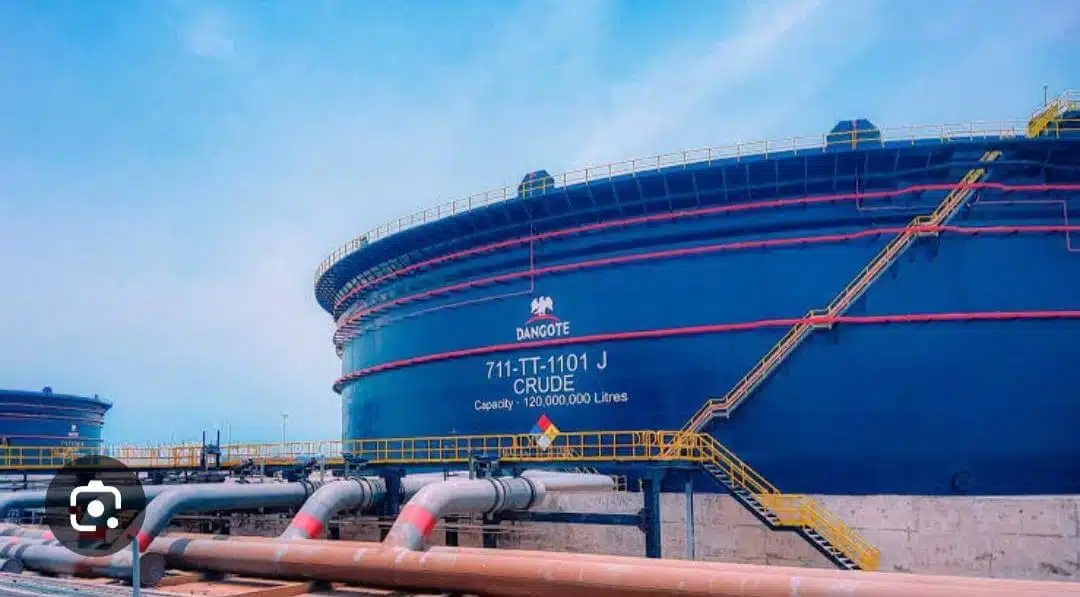
The Dangote Petroleum Refinery has cautioned that Nigeria’s heavy dependence on coastal logistics to distribute fuel could push petrol prices close to ₦1,000 per litre.....KINDLY READ THE FULL STORY HERE▶
In a statement on Thursday, the refinery explained that while marketers can choose their evacuation methods, relying on coastal delivery adds unnecessary costs that could impact fuel prices, consumer welfare, and economic stability.
“Coastal logistics can increase petrol costs by about ₦75 per litre, which, if passed to consumers, could bring pump prices near ₦1,000 per litre,” the company said.
With Nigeria’s average daily consumption of roughly 50 million litres of petrol and 14 million litres of diesel, the refinery estimated that continued dependence on coastal transport could add ₦1.752 trillion annually in extra costs, ultimately borne by producers or consumers.
Dangote highlighted its own infrastructure, noting that its world-class gantry facility with 91 loading bays can dispatch up to 2,900 tankers around the clock. “Our gantry can handle over 50 million litres of petrol and 14 million litres of diesel daily,” the company said.
The refinery emphasized that gantry loading is the most cost-effective and efficient method. “Direct gantry evacuation removes port fees, maritime charges, and vessel-related costs that do not benefit consumers. It lowers costs, improves distribution, and promotes price stability,” it added.
Dangote also stressed the need for coordinated investment in pipeline infrastructure, warning that inefficient delivery systems could undermine Nigeria’s energy affordability and market stability.
Addressing claims that it imports finished petroleum products, the company dismissed the allegations as false. “We do not import finished products. Our residue fluid catalytic cracking unit is under maintenance, and we only import intermediate feedstock, which is standard in the global industry. We challenge anyone with credible evidence of finished-product imports to present it to regulators,” the statement said.
Since the refinery began operations, it noted significant price reductions for diesel and petrol. Diesel has dropped from about ₦1,700 per litre to ₦980–₦1,100, while petrol has fallen from ₦1,250 to between ₦839 and ₦900 per litre.
The company also credited higher domestic fuel supply for easing foreign exchange pressure and supporting market stability, with the naira currently trading at around ₦1,385 to the dollar.


Terror Funding Allegations: Federal Government Reacts To US Blacklisting Of Nigerians

Senate Drama: Lawmakers Bar Gbajabiamila, Governors And Ministers From Chamber

No Mercy For Terror Convicts: Court Sentences Three To Death In DSS-Prosecuted Case

Viral Video Fuels Speculation After Spence Appears To Blank Partey

PDP’s Big Reveal: Jonathan Leads The Charge as 21 Governorship Candidates Get Certificates

Sh*cking Police Shake-Up As Oyigbo DPO Is Removed Over ₦500,000 Bribery Allegation

Dollar To Naira Sh*ck: Fresh Exchange Rate Revealed For June 21, 2026

Etinosa Reacts To Viral Concerns About Her Neck Size, Says She Is Healthy

Sh*ck And Outrage As Retired Generals React To Death If Gen. Abubakar In Bandit Camp
