
Canada Moves To Grant Permanent Residency To Thousands Of Migrants As New Immigration Plan Unveiled
 Follow us on Google News
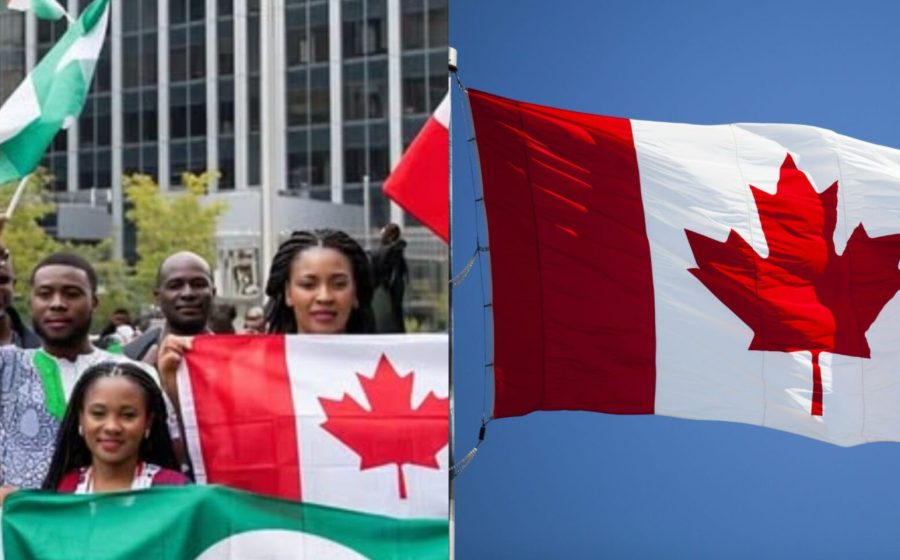
The Canadian government has announced a new immigration initiative that could provide permanent residency to up to 100,000 foreign workers and 45,000 spouses, common-law partners and dependent children of Canadian citizens or permanent residents.
The time-limited measure is designed to address outstanding immigration applications, reduce processing backlogs and fulfil existing commitments to eligible migrants already living in Canada.
According to Bush Radio Academy, Immigration, Refugees and Citizenship Canada (IRCC) announced the initiative on Tuesday as part of the country’s efforts to make its immigration system more sustainable while providing greater certainty to applicants who have been waiting for decisions.
The programme will also benefit thousands of people covered by Canada’s special immigration arrangements for residents of Hong Kong and Ukrainian nationals.
Under the Hong Kong permanent residence pathways, the government expects up to 32,000 people with outstanding applications to obtain permanent residency. The pathways stopped accepting new applications on August 31, 2026.
Another 18,800 admissions are expected through the Ukraine Family Reunification Pathway, which closed to new applicants on October 22, 2024. Together, the two categories account for a potential 50,800 permanent resident admissions.
Canada also expects approximately 12,600 individuals who have already been found eligible for permanent residence on humanitarian and compassionate grounds to benefit from the initiative.
The workers’ category will cover applicants who have submitted applications through selected federal immigration programmes, including the Atlantic Immigration Program, Start-up Visa Program, Self-Employed Persons Program, Agri-Food Pilot and home care worker programmes.
The government also plans to increase admission allocations under the Provincial Nominee Programme, allowing provincial and territorial authorities to nominate additional foreign workers according to their respective labour market requirements. These additional admission spaces are expected to become available in 2027.
Immigration Minister Lena Metlege Diab said the initiative demonstrated the government’s commitment to improving the immigration system while honouring promises made to people seeking to establish their lives in Canada.
She explained that the measure would accelerate the processing of applications from eligible Hong Kong and Ukrainian residents, giving them greater certainty about their future in the country.
Several Canadian lawmakers also welcomed the announcement, describing it as an important development for migrants and their families.
Member of Parliament for Scarborough—Agincourt, Jean Yip, said the decision followed five years of advocacy alongside the Hong Kong community and would provide a more secure future for individuals and families who had made Canada their home.
Similarly, Michael Ma, who represents Markham—Unionville, noted that prolonged application delays had made it difficult for many migrants to plan their lives. He welcomed the government’s intention to complete outstanding applications by the end of 2027.
Another lawmaker, Yvan Baker, representing Etobicoke Centre, highlighted the potential economic benefits of granting permanent residency to eligible migrants. He argued that businesses would be able to retain workers already contributing to the Canadian economy, while beneficiaries would have greater opportunities to pursue professional training and qualifications.
The Ukrainian Canadian Congress also welcomed the development. Its National President, Alexandra Chyczij, praised the government’s commitment to addressing pending applications under the Ukraine Family Reunification Pathway, particularly for Ukrainians already living in Canada under the CUAET visa arrangement.
Hong Kong community representative and physician Dr Henry Pang equally described the announcement as a source of hope, noting that clearing outstanding applications could enable more healthcare professionals already residing in Canada to contribute to the country’s public services and economy.
Meanwhile, IRCC has clarified that the initiative will not establish new immigration programmes or reopen pathways that have already stopped accepting applications.
Eligible individuals will also not be required to submit fresh applications or contact the immigration department to be considered under the arrangement. Their existing applications will be processed as part of the government’s plan.
The initiative forms part of Canada’s 2027–2029 Immigration Levels Plan, which aims to reduce application backlogs, improve processing times and restore sustainability to the country’s immigration system.
Note: The announced figures represent targeted admissions and potential beneficiaries; they do not mean that every applicant will automatically receive permanent residency. Eligibility and existing programme requirements will still apply.





Comments
0 comments