
Central Bank Of Nigeria Reports Significant $950 Million Decline In External Reserves Over 17-Day Period
 Follow us on Google News
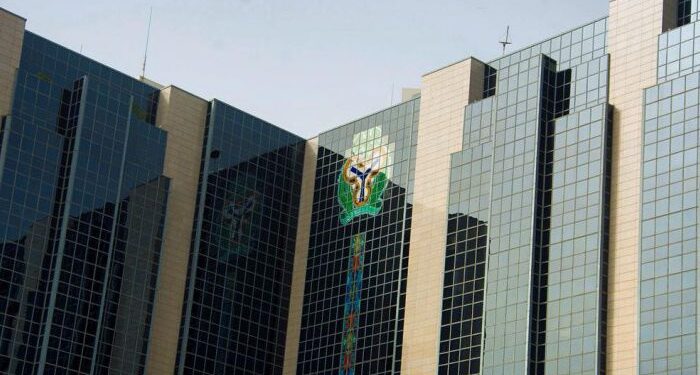
Central Bank Of Nigeria Reports Significant $950 Million Decline In External Reserves Over 17-Day Period
Nigeria’s foreign exchange reserves have experienced a substantial decline, shedding approximately $1.02 billion over an 18-day period as the Central Bank of Nigeria intensifies efforts to safeguard the naira.
As of March 18, 2024, the FX reserves were recorded at $34.45 billion, but by April 3, they had dwindled to $33.50 billion, according to the latest data from the CBN.
Prior to this recent downturn, the reserves had been on a steady upward trajectory, witnessing an impressive surge of $1.28 billion over 43 days from February 5 to March 18, 2024.
The CBN attributed this surge to increased remittances from Nigerians abroad, heightened foreign investor interest in local assets, including government debt securities, as well as reforms in the foreign exchange market and a rise in oil production.
However, since March 18, there has been a noticeable depletion in reserves. Following its peak at $34.45 billion, the reserves gradually decreased to $34.39 billion on March 19, $33.57 billion by April 2, and ultimately $33.50 billion by April 3.
This rapid decline of $1.02 billion within just 18 days underscores the pressure on the reserves as efforts persist to stabilize the local currency.
The CBN has been actively intervening in the foreign exchange market to bolster the naira, which has been under pressure from various economic factors. These interventions typically involve the sale of dollars to maintain liquidity in the market, a strategy that likely contributed to the decrease in FX reserves.
During the reviewed 18-day period, the Central Bank of Nigeria made two significant announcements: the complete clearance of valid foreign exchange backlogs and the facilitation of foreign exchange sales to Bureau De Change operators in Nigeria at an exchange rate of N1,251/$1.
Typically, Nigeria’s foreign exchange reserves reflect the country’s balance of payments and its ability to meet international obligations. A significant decline in reserves could undermine investor confidence and potentially lead to a credit rating downgrade, further impacting the nation’s borrowing costs.
The International Monetary Fund recently projected a significant reduction in Nigeria’s foreign reserves, foreseeing a drop to $24 billion by 2024. The IMF anticipates a challenging period for Nigeria’s financial account through 2024–25, driven by factors such as the absence of new Eurobond issuances, substantial repayments of existing funds and Eurobonds totaling $3.5 billion, and continued portfolio outflows.
Meanwhile, the federal government has announced plans to issue domestic bonds denominated in foreign currency in the second quarter of this year, specifically in June. Some economists believe this move could help stabilize the naira and the nation’s reserves.
For more information join our WhatsApp group by clicking the link here: WhatsApp Group Invite
For inquiries only, contact us at omoikirodahoshiobugie@gmail.com, 08075806790 (WhatsApp only). For paid articles covering content related to shows, music promotion, asylum letters, concerts, politics, advertisement hit up the Whatsapp number 08075806790.
Source: Bushradiogist







Comments
0 comments